VA Unemployment Benefits: How much can you get and who is eligible to apply for extra benefits?
Former service members unable to work because of qualifying disabilities may receive compensation at the 100% rate
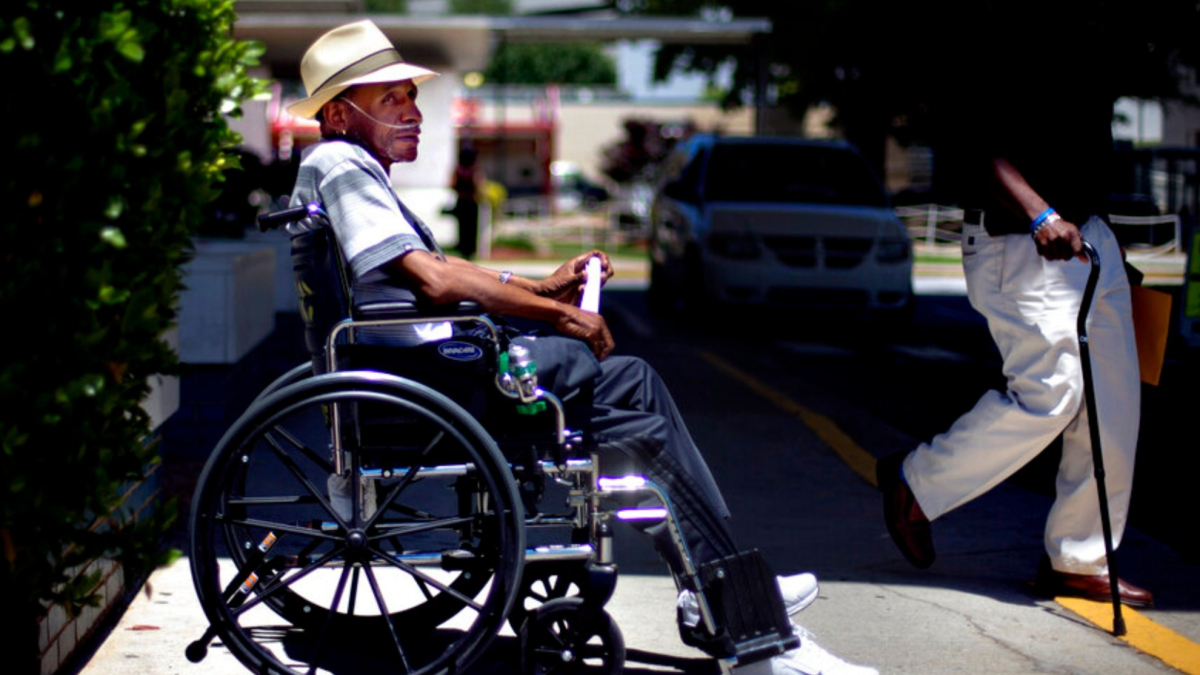
Veterans struggling to maintain employment because of disabilities connected to their military service may qualify for significantly higher federal payments, even if they have never received a 100% disability rating.
The Department of Veterans Affairs offers financial assistance through Individual Unemployability , a program that allows qualifying former service members to receive compensation at the highest standard disability rate when their medical conditions prevent them from holding steady employment.
Under the 2026 payment schedule, eligible veterans without dependents can receive $3,938.58 per month, equivalent to $47,262.96 annually. Those with qualifying family members may be entitled to additional compensation.
However, receiving these payments isn't automatic. Applicants must demonstrate that their inability to work results from disabilities connected to their military service, rather than unemployment caused by economic conditions or other circumstances.
That is particularly important because the VA's Individual Unemployability program operates separately from traditional unemployment insurance available to former military personnel.
Who is eligible for VA Individual Unemployability benefits?
Veterans generally qualify for consideration when they have at least one service-connected disability rated at 60% or higher that prevents them from maintaining substantially gainful employment.
Those with multiple service-connected conditions may also qualify if their combined disability rating reaches 70%, provided at least one condition carries an individual rating of 40% or higher.
The VA can consider exceptional cases involving lower disability ratings when medical evidence establishes that service-connected conditions prevent suitable employment.
Applicants don't necessarily need to be completely unemployed. Occasional work or employment classified as marginal may be permitted without automatically disqualifying them.
Importantly, approval doesn't increase a veteran's official disability rating to 100%. Instead, their monthly compensation rises to the equivalent payment level while the underlying disability rating remains unchanged.
Veterans seeking these benefits must submit VA Form 21-8940, alongside employment information requested through Form 21-4192, and provide supporting evidence demonstrating how their disabilities affect their ability to work.
How much can veterans receive through unemployment assistance?
Former military personnel who become unemployed after leaving active duty may qualify for a separate federal program known as Unemployment Compensation for Ex-servicemembers , or UCX.
Unlike VA Individual Unemployability , UCX provides temporary financial assistance administered through state unemployment agencies, with payment amounts determined by the state handling the application.
Eligible applicants generally must have completed qualifying military service, received an honorable discharge and satisfied the relevant state's unemployment requirements.
There's no universal nationwide weekly payment for UCX. Both the amount available and the duration of assistance depend on applicable state rules and qualifying military earnings.
Veterans should contact their state workforce agency promptly after separation and have their DD-214 discharge documentation available when applying.
Those pursuing disability-related Individual Unemployability benefits should apply directly through the VA, which can also provide guidance through its benefits helpline at 800-827-1000.
Understanding which program applies can make a substantial difference, particularly for veterans whose service-connected conditions have left them unable to maintain a reliable income.