Is Daylight Savings Time ending? This is what President Trump said about a possible change
The clocks are due to roll back one hour on Sunday, November 1
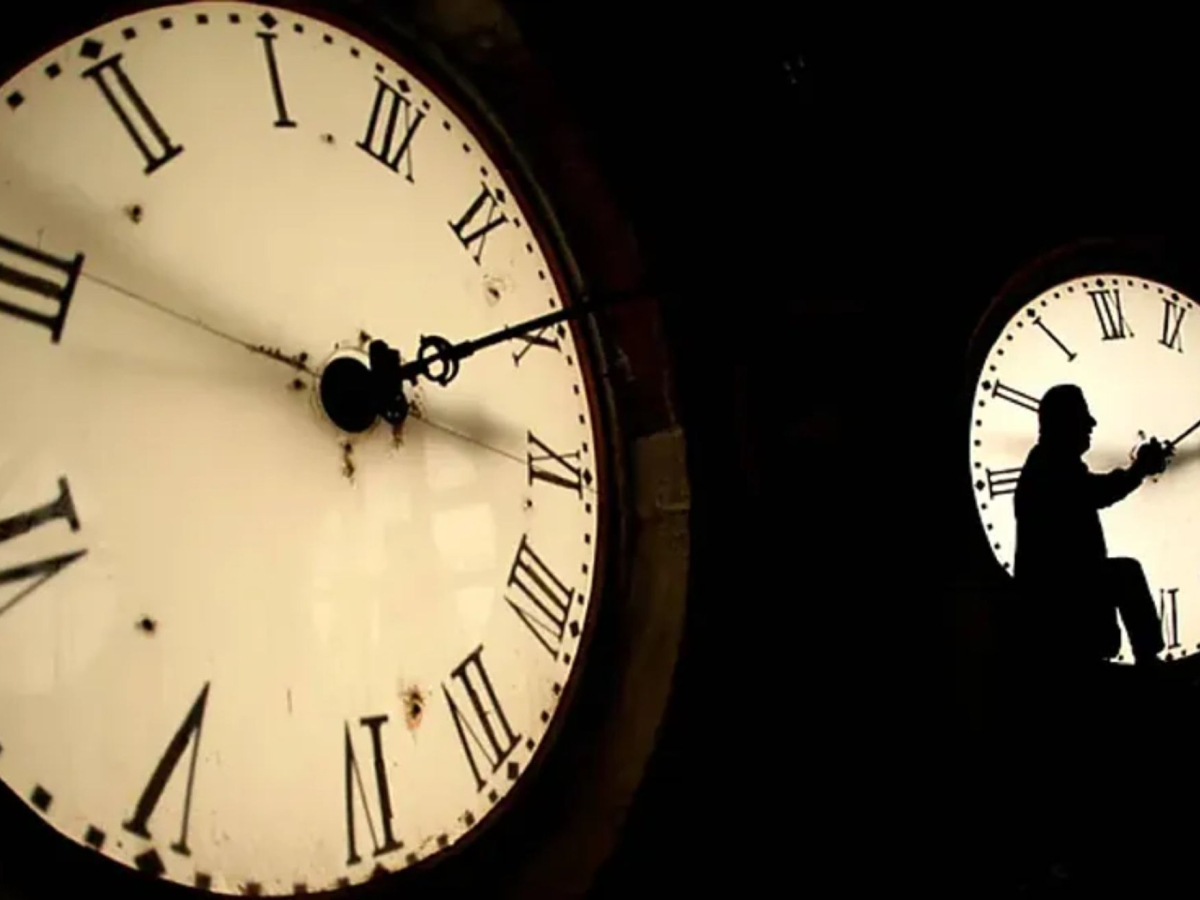
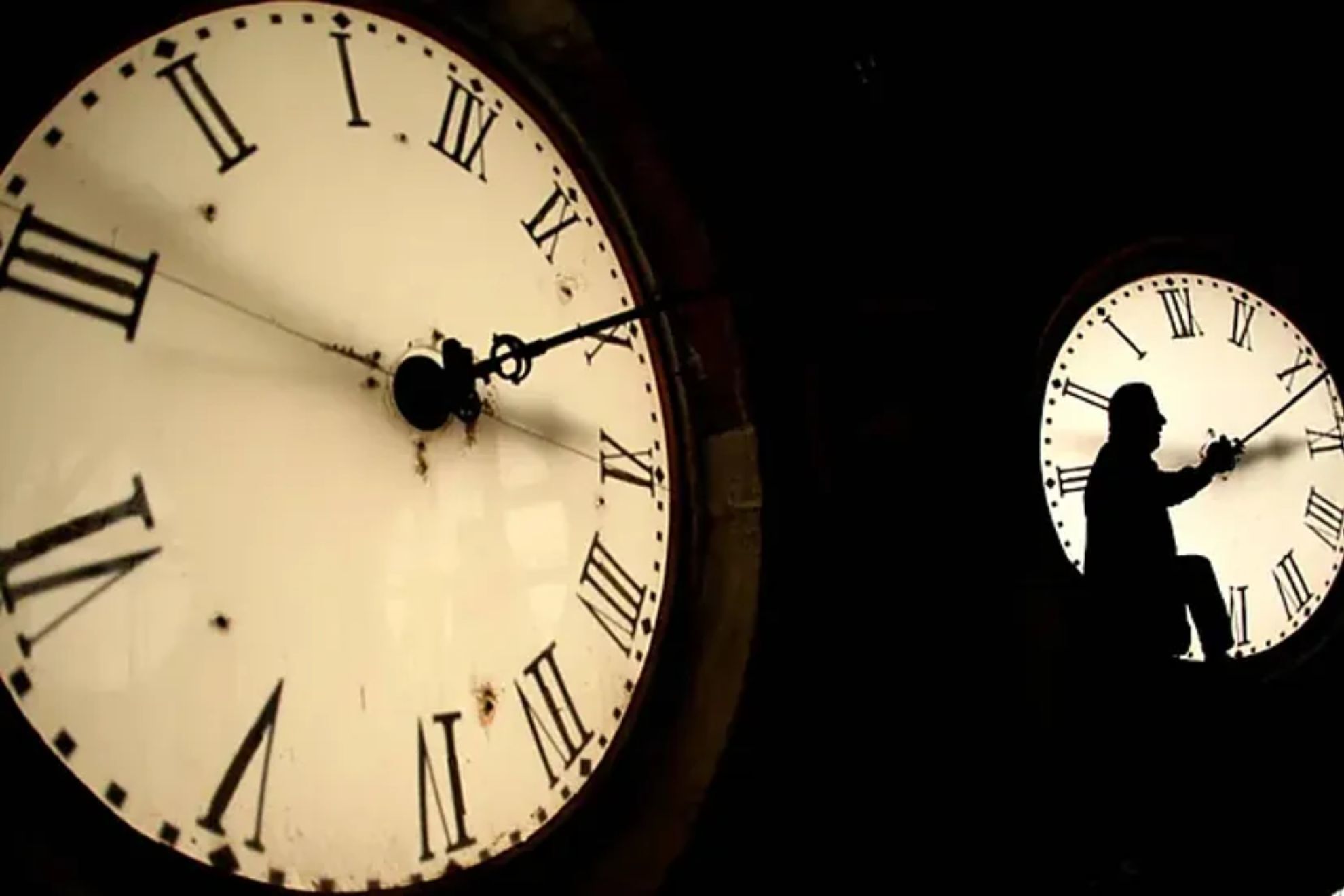
Daylight Saving Time ends across most of the United States at 2am on Sunday, November 1, when clocks move back one hour to 1am as the change gives people an extra hour of sleep but brings earlier sunsets and more daylight in the morning. However, President Donald Trump wants Congress to end the twice-yearly clock changes, arguing that Americans should no longer have to adjust their clocks and he has repeatedly supported making Daylight Saving Time permanent.
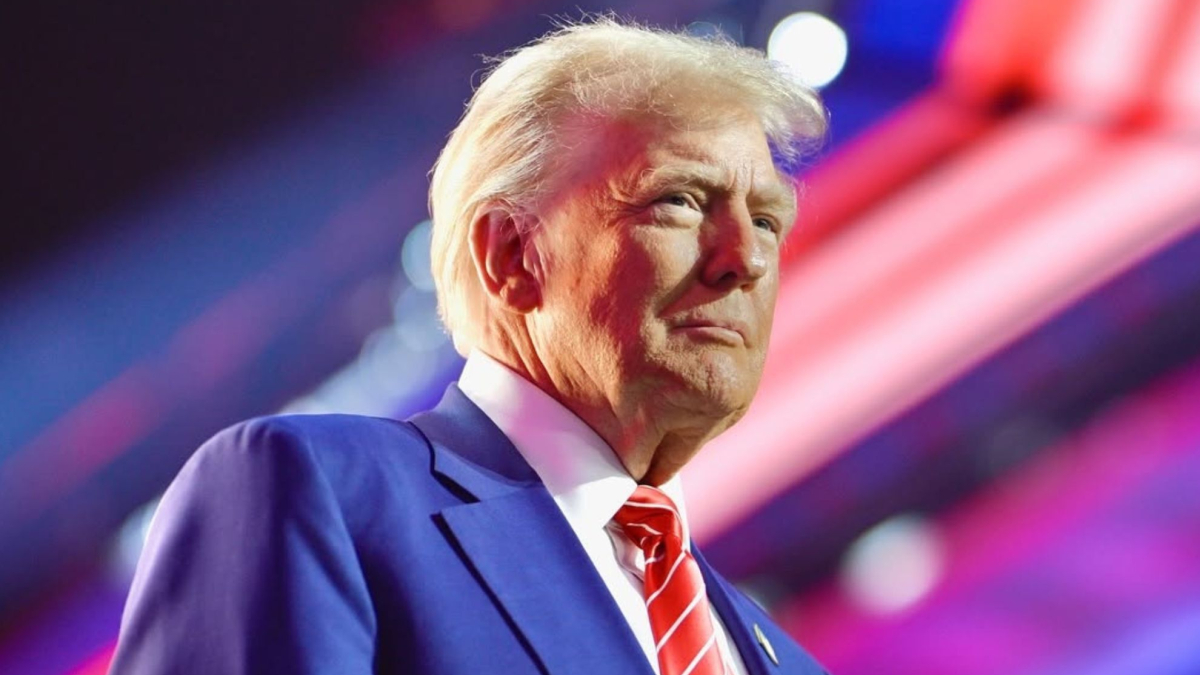
Lawmakers have yet to agree on a way forward, Trump renewed his criticism of the system during a rally in Mississippi on October 26 ahead of the midterms, describing the clock changes as something that "drive everyone crazy." The 80-year-old added that "nobody wants to do (it) anymore," arguing that Americans overwhelmingly oppose changing their clocks as the POTUS acknowledged that people disagree about whether they prefer more daylight in the morning or evening. However, he claimed there was universal support for ending the twice-yearly adjustments, calling the practice costly and dangerous and later Trump accused the Senate of allowing legislation to expire despite widespread public support. "The United States Senate is letting the Daylight Saving Bill die, when a vast Majority of the Country want it," Trump wrote on Truth Social. "Most people are demanding light in the evening, but ALL want not to change their clocks anymore." Trump finished the post by demanding lawmakers "TAKE A VOTE!"
Why has the Sunshine Protection Act stalled?
The legislation at the center of the debate is the Sunshine Protection Act as the bill passed the House of Representatives in July 2026 by a vote of 301-117, but has not secured enough support to advance through the Senate . The modern American system developed through several legislative changes. Germany introduced daylight-saving measures in 1916, while the United States followed with the Standard Time Act of 1918 . Congress repealed that arrangement in 1919, although seasonal clock changes returned during wartime. The federal government introduced year-round War Time between 1942 and 1945. The Uniform Time Act of 1966 later established the framework governing the country's time zones and seasonal clock changes, placing the authority to change the system with Congress . An energy crisis prompted another experiment in 1974, when the United States temporarily adopted year-round Daylight Saving Time before further adjustments followed in 1986. Finally, the Energy Policy Act of 2005 extended the annual period beginning in 2007. Supporters argue that longer evenings create more opportunities for outdoor recreation, tourism and commercial activity but critics argue changing clocks can disrupt sleep patterns and the body's internal clock, with potential consequences for health and safety.