November 2026 astronomical events you won't want to miss
These are the dates worth marking on your calendar.
The year is entering its final stretch, but the night sky still has plenty of surprises in store. Throughout November 2026, stargazers will have several opportunities to look up and witness something special, from meteor showers and a particularly large-looking Full Moon to planetary gatherings.
The best part? You won't have to wait for just one date to enjoy the show . Several celestial events will take place throughout the month, some visible to the naked eye and others easier to spot with the help of binoculars.
The first event to watch for will be the Southern Taurids, a meteor shower expected to reach its peak between November 4 and 5 . Although its activity is usually modest, producing around five to 10 meteors per hour, it has one feature that makes it special: it can produce fireballs, exceptionally bright flashes that streak across the sky and stand out even when only a few meteors appear.
To catch them, find a location away from city lights and give your eyes time to adjust to the darkness. You won't need a telescope. Observing with the naked eye will allow you to take in a much wider area of the sky.
A few days later, it will be time for the Northern Taurids . This meteor shower will also have relatively modest activity, with approximately five meteors per hour, making patience your best ally.
Although it isn't one of the most active meteor showers, it's still worth keeping an eye on the sky throughout the night and into the early morning hours. Remember that shooting stars can appear in different directions, so there's no need to focus on just one spot.
Four planets will appear before sunrise
Starting November 13, another highlight of the month will begin: Mercury, Venus, Mars and Jupiter will appear spread across the sky before sunrise . This planetary display will continue through November 22.
Although it's often described as an alignment, that doesn't mean the planets will form a straight line in space. From our perspective on Earth, they will simply appear in the same region of the sky. To spot them, look for a clear view of the eastern horizon and head outside before sunrise.
Another date worth marking is November 17-18, when the Leonids will reach their peak . This meteor shower is known for the speed of its meteors, which travel through Earth's atmosphere at tremendous speeds and can leave behind striking flashes of light.
The best time to look for them will be during the early morning hours of November 18, after midnight, when the constellation Leo will be better positioned for viewing. As with other meteor showers, your best bet is to find a dark location and keep your eyes on a wide area of the sky.
As part of the planetary display, there will be a special date for anyone hoping to spot Mercury. On November 20, the planet will reach its greatest western elongation, meaning it will appear at its farthest point from the Sun in the sky from our perspective.
This position will offer one of the best opportunities during this period to observe the planet. Look toward the eastern horizon shortly before sunrise, when Mercury should still be visible above the horizon.
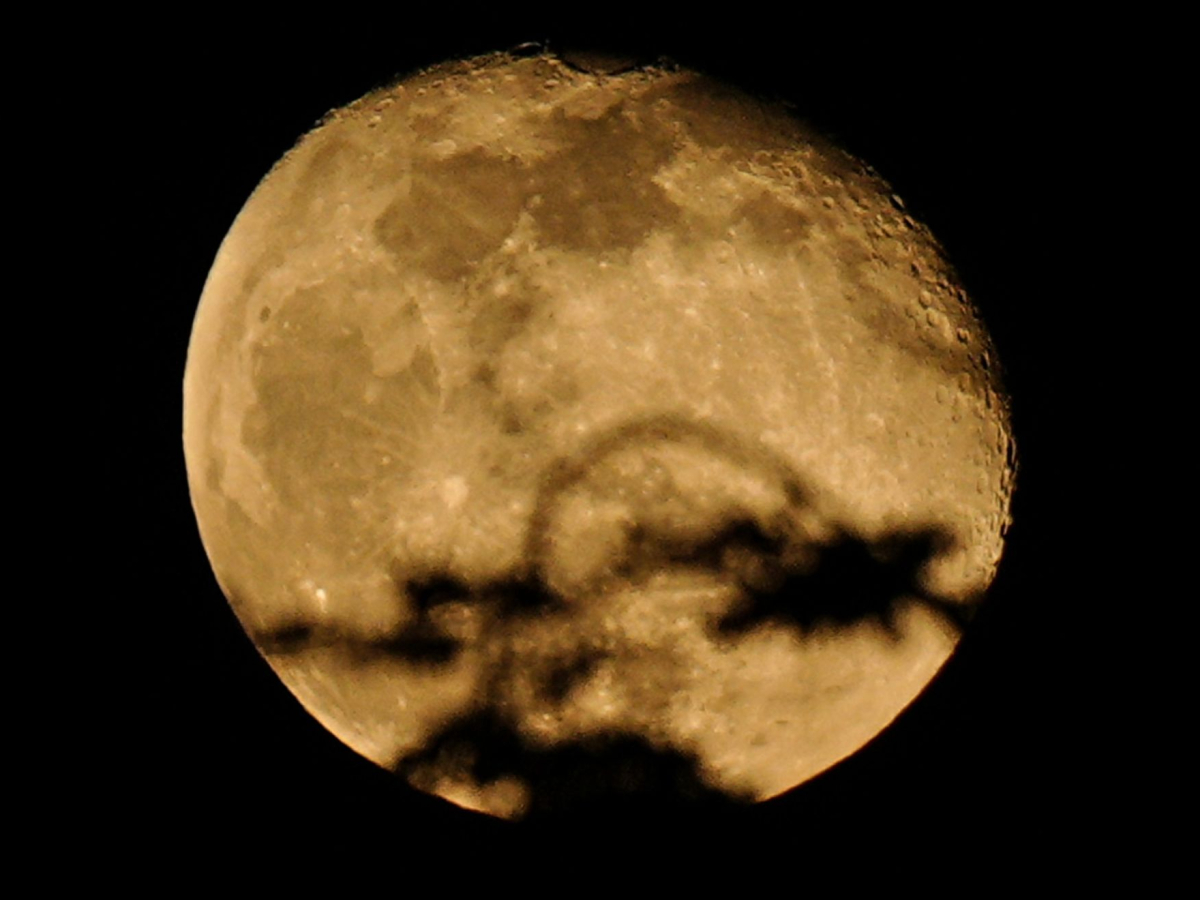
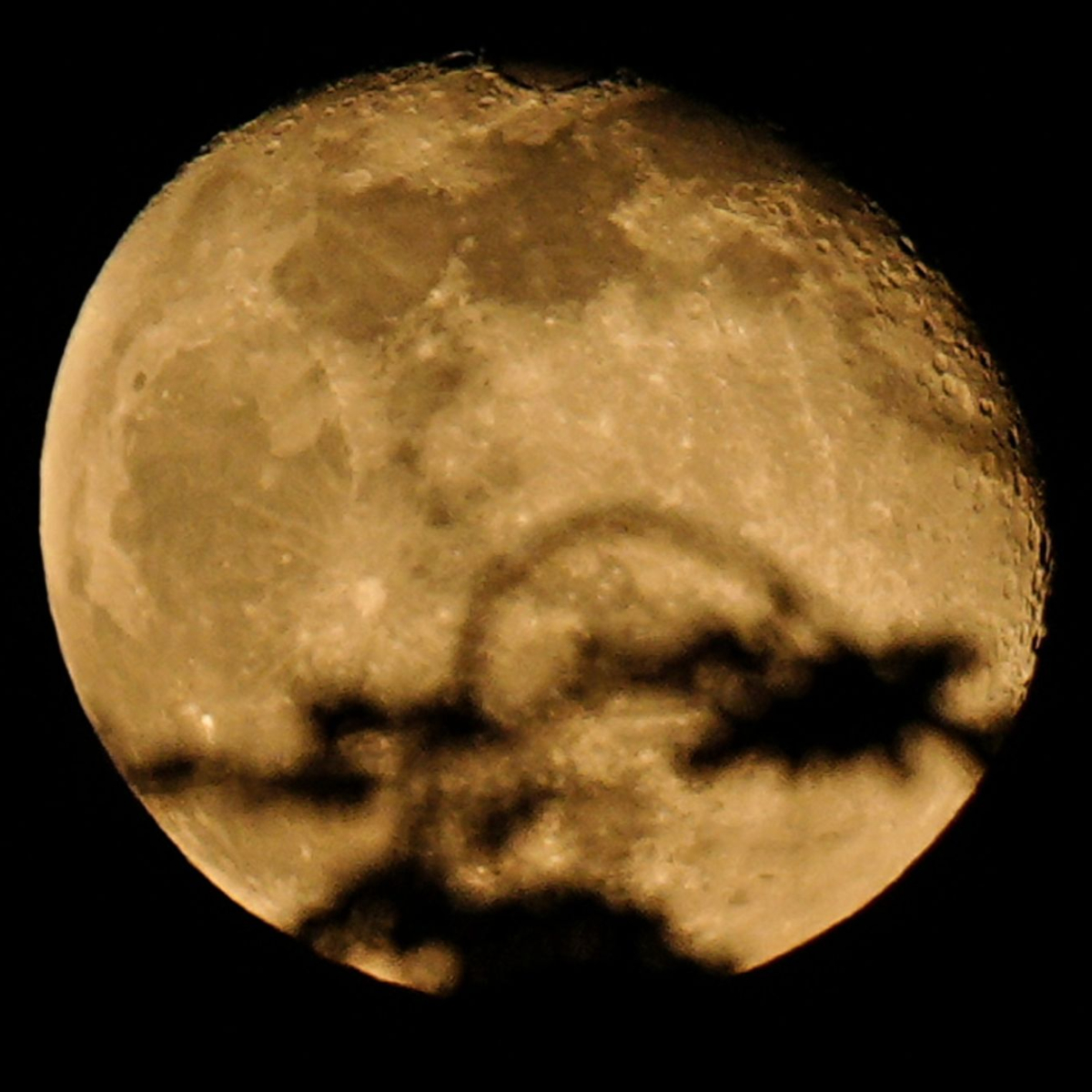
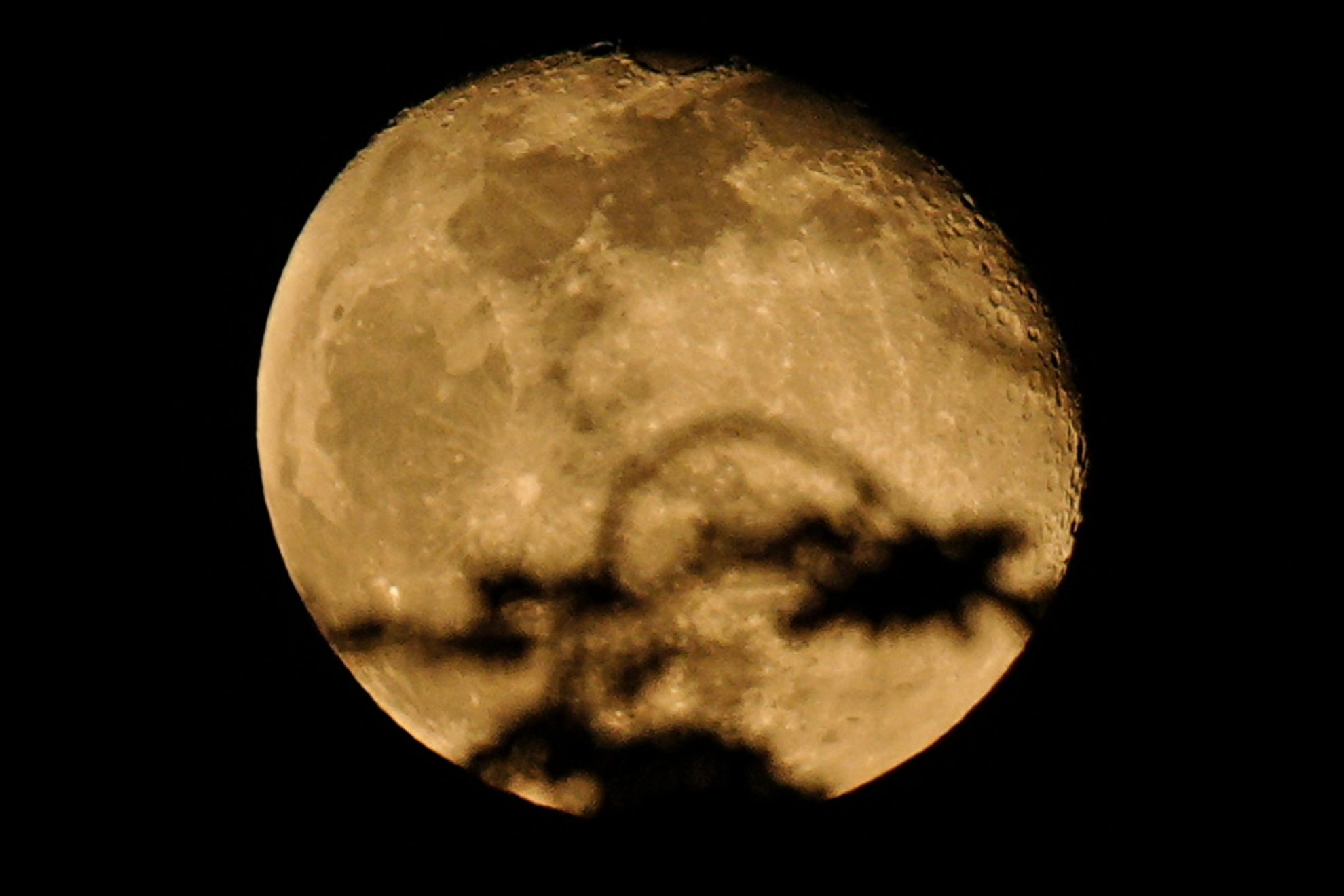
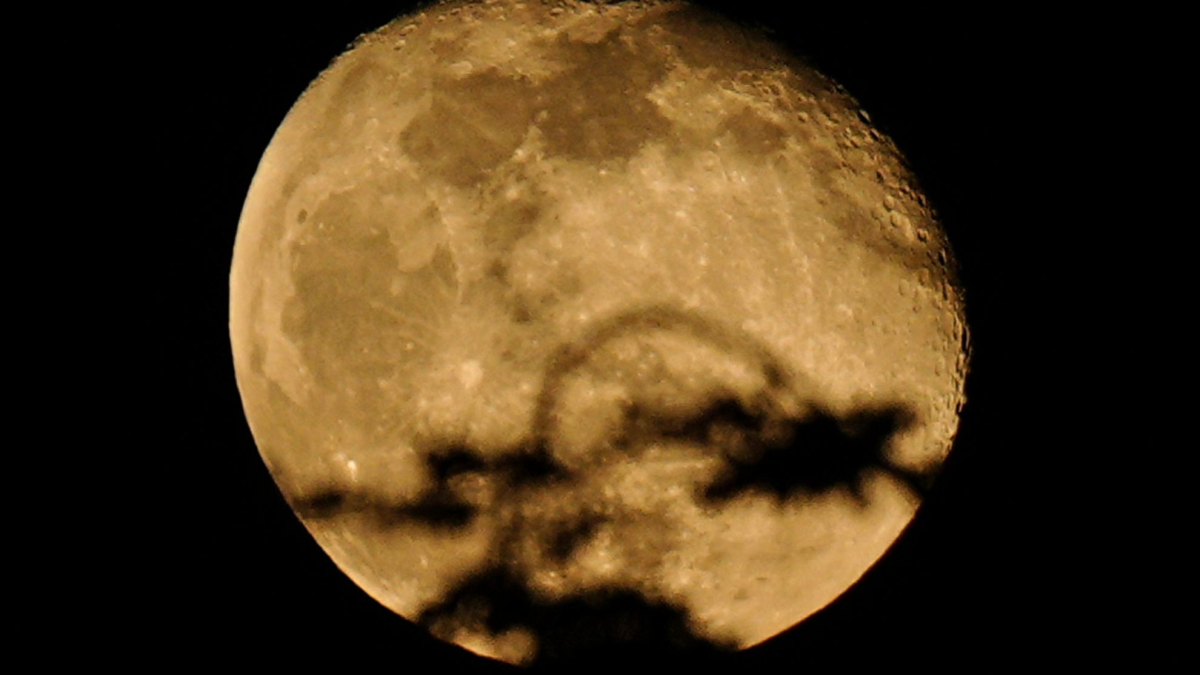
One of the month's most anticipated events will arrive on November 24 with the Beaver Supermoon. The Full Moon will occur close to perigee, the point in its orbit when it is closest to Earth . As a result, it may appear slightly larger and brighter than an average Full Moon.
One of the best times to enjoy the view will be as the Moon rises above the eastern horizon around sunset.
The Moon will also be near the Pleiades star cluster that same date, adding another beautiful feature to the night sky.
A day later, on November 25, Uranus will reach opposition, a position in which Earth lies directly between the planet and the Sun . This means Uranus will be visible for much of the night, making it a favorable time to observe the distant planet.
Uranus will appear in the region of the constellation Taurus. Although it may be close to the naked-eye visibility limit under exceptionally dark skies, binoculars will make it much easier to find. Unlike brighter planets such as Venus and Jupiter, spotting Uranus will require a little more patience.
November will wrap up its astronomical calendar with another eye-catching gathering. On November 30, the Moon, Jupiter, Mars and the star Regulus will appear close together in the sky , occupying a region of approximately 5.2 degrees.
The grouping should be visible to the naked eye, weather permitting and provided the horizon is clear. It will be a great opportunity to spot several celestial objects in the same area of the sky and end the month with one more special stargazing moment.