Super El Niño brings tropical surprises to California, from hammerheads to endangered turtles
There's a growing list of unusual marine encounters along Southern California's coast
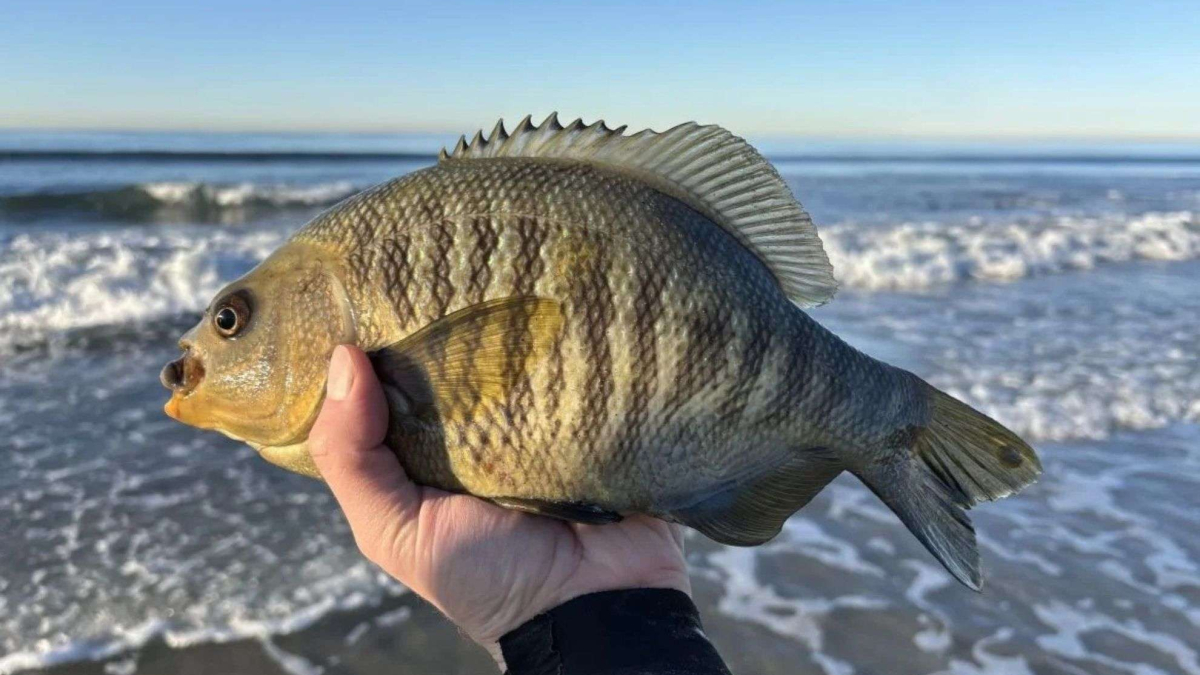
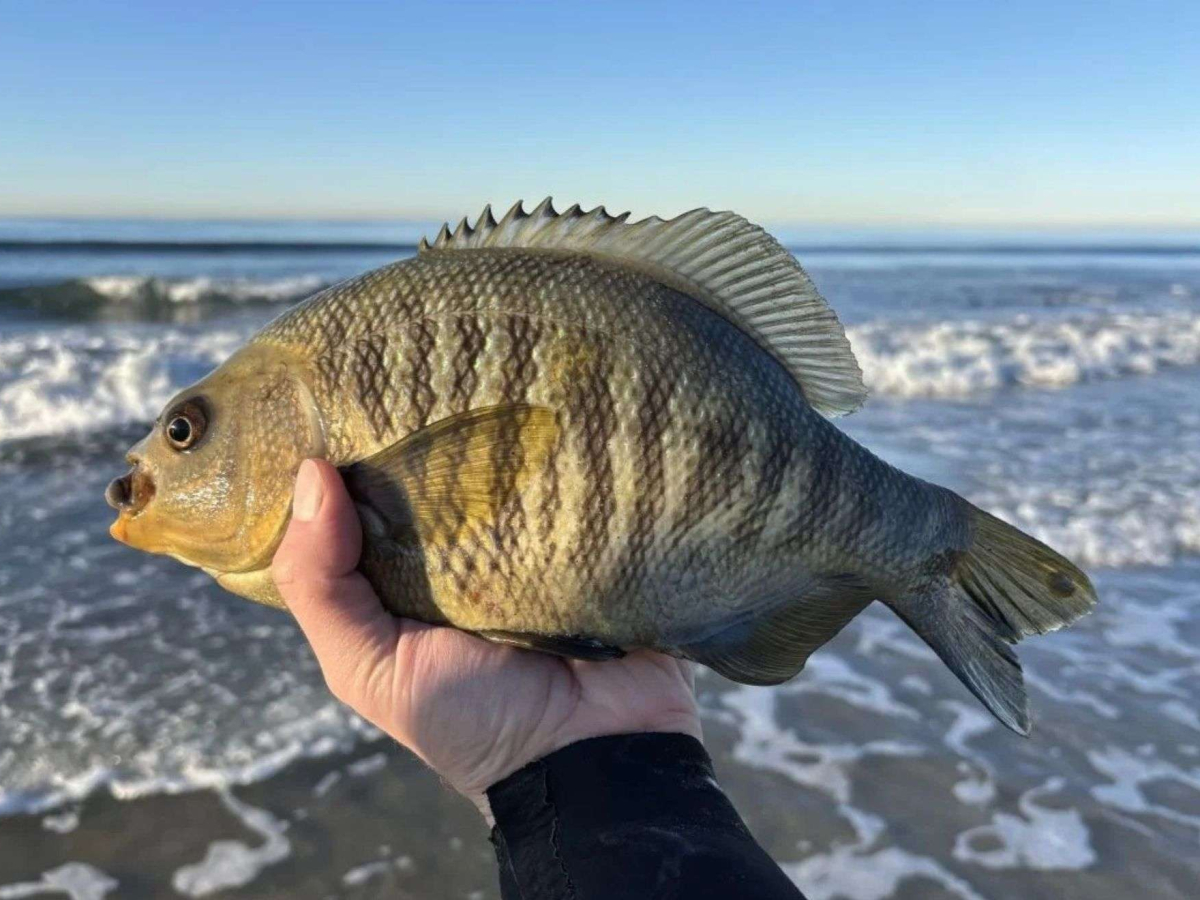
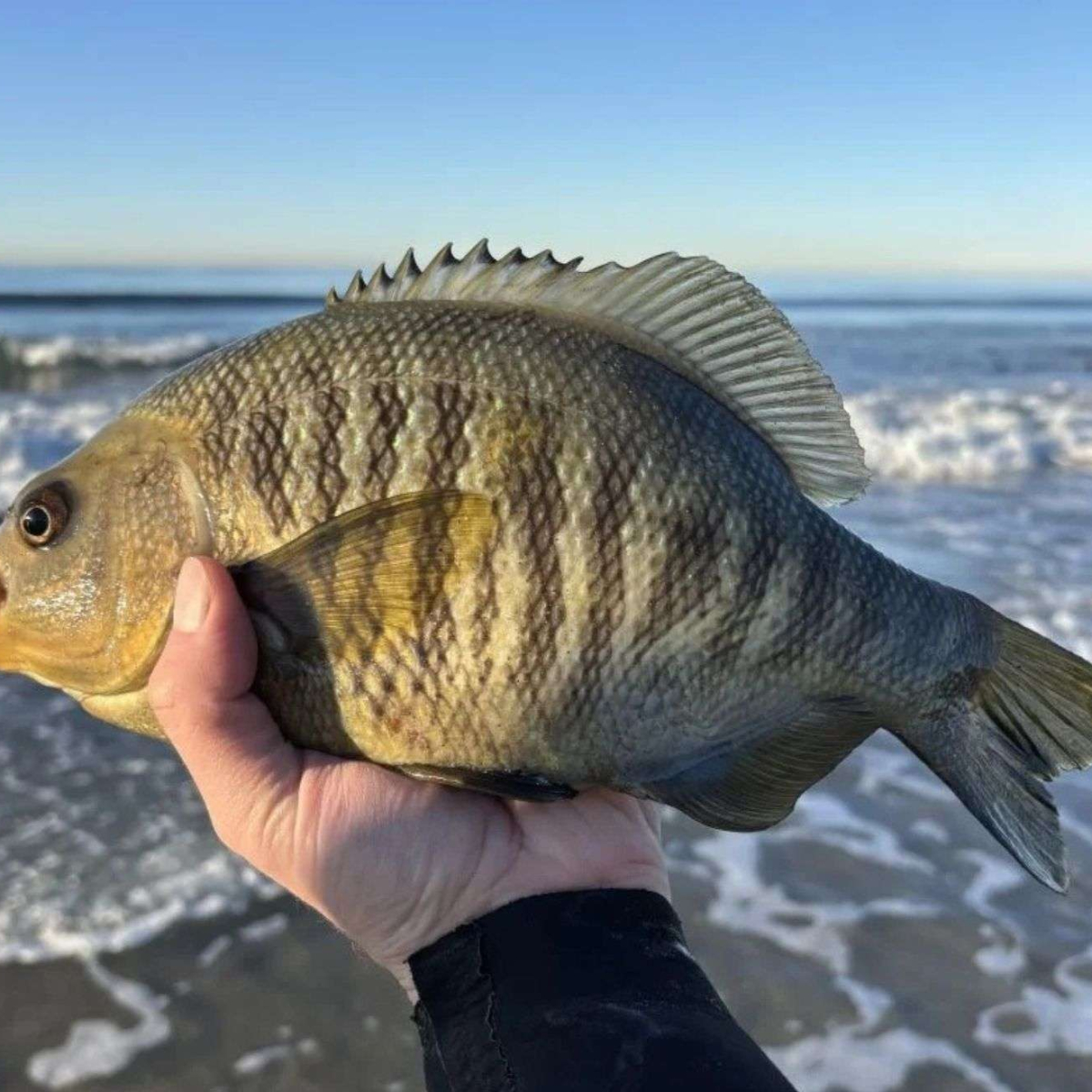
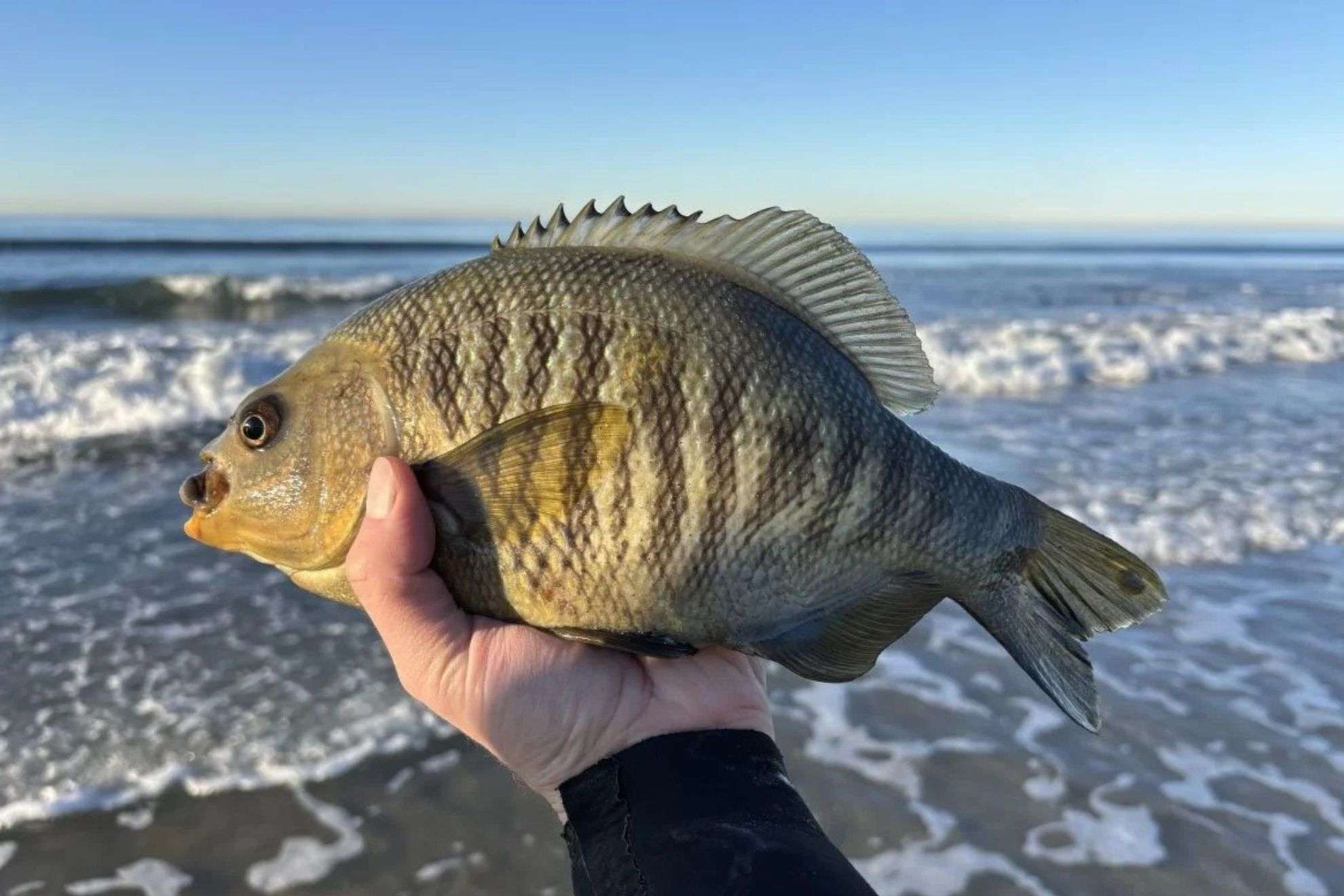
California’s coastline is getting some unexpected visitors. Whale sharks, hammerhead sharks, manta rays and even a potentially deadly sea snake have appeared in waters where tropical marine life is far less common, as a powerful El Niño brings warmer ocean conditions farther north. The unusual encounters include a fish never before recorded in California , a venomous snake spotted on a Southern California beach and two endangered sea turtles that made history by laying eggs on the U.S. West Coast.
The developments have drawn attention from scientists, fishermen and beachgoers alike. According to a Reuters report published Oct. 17, the influx of tropical species is linked to an unusually strong El Niño, following an extended marine heat wave in the Pacific. But the spectacle comes with a warning: while some species benefit from warmer water, others may lose critical habitat as ocean conditions change.
A venomous sea snake makes a rare appearance
One of the most startling encounters occurred on the night of Sept. 11, when Jackie Aguilar and her family were walking along Crystal Cove State Beach in Orange County. They came across what appeared to be a yellow-bellied sea snake, a marine reptile whose venom can be dangerous to humans.
Certified marine naturalist Capt. Chad Steffen identified the animal as resembling the species, which has been exceptionally rare in California. The snake was reportedly seen near shore after spending much of its life in the open ocean. According to Reuters, experts have documented only six or seven confirmed sightings of yellow-bellied sea snakes in California. The previous confirmed sighting occurred during the 2015-16 El Niño.
The first turtle nested near Seal Beach on Sept. 16. Three days later, another laid eggs near Huntington Beach , roughly eight miles away. Olive ridley turtles typically nest in tropical regions, including Mexico and Central America. Their appearance in Southern California represents an extraordinary departure from the species' documented nesting range on the U.S. mainland Pacific coast.
Wildlife officials took special precautions to protect the eggs. Because hazardous surf and high tides threatened the nests, biologists collected more than 200 eggs on Sept. 25 and transferred them to the Aquarium of the Pacific in Long Beach for incubation. If the eggs hatch successfully, the hatchlings are expected to be released on the beaches where they were laid.
Unusual marine encounters
Scientists believe warmer sea surface temperatures associated with marine heat waves and the incoming El Niño may have contributed to the turtles' unexpected arrival. However, NOAA c autions that the precise reasons for the nesting events remain uncertain.
The unusual visitors extend well beyond fish and reptiles. Whale sharks, hammerheads, flying fish and manta rays have also been observed in California waters as warmer conditions encourage tropical species to venture north.
Meanwhile, whale watchers off Newport Beach experienced a remarkable encounter on Sept. 29, when a pod of approximately 10 to 13 killer whales swam alongside their boat during a Newport Landing Whale Watching cruise. The sighting added to a growing list of unusual marine encounters along Southern California's coast.
Although orcas are found throughout the world's oceans, their presence and movements vary by population and season. The warmer ocean conditions may influence where some animals travel, but the appearance of an individual pod does not, by itself, establish that El Niño caused its arrival.
What is El Niño doing to the Pacific?
El Niño is a naturally occurring climate pattern characterized by warmer-than-average sea surface temperatures across parts of the central and eastern tropical Pacific. It alters atmospheric circulation and ocean conditions, affecting weather and marine ecosystems across large areas.
Along California's coast, warmer water can allow tropical and subtropical species to travel farther north than they ordinarily would. The current influx follows an extended marine heat wave, making it difficult to attribute every unusual sighting to a single cause.
The effects are not all positive. Warm-water species may find new feeding opportunities, and sportfishing businesses can benefit from increased catches of tropical fish. Reuters reported that one Southern California fishing operator had caught approximately 5,000 yellowfin tuna this year, compared with just two during the same period a year earlier.
However, kelp forestswh, ich provide food and shelter for numerous marine species, depend on colder water. Scientists warn that prolonged warming can put these ecosystems under pressure, potentially affecting animals that rely on them. The result is a complicated picture: more opportunities to observe unusual wildlife, but also potential disruption to the established marine environment.