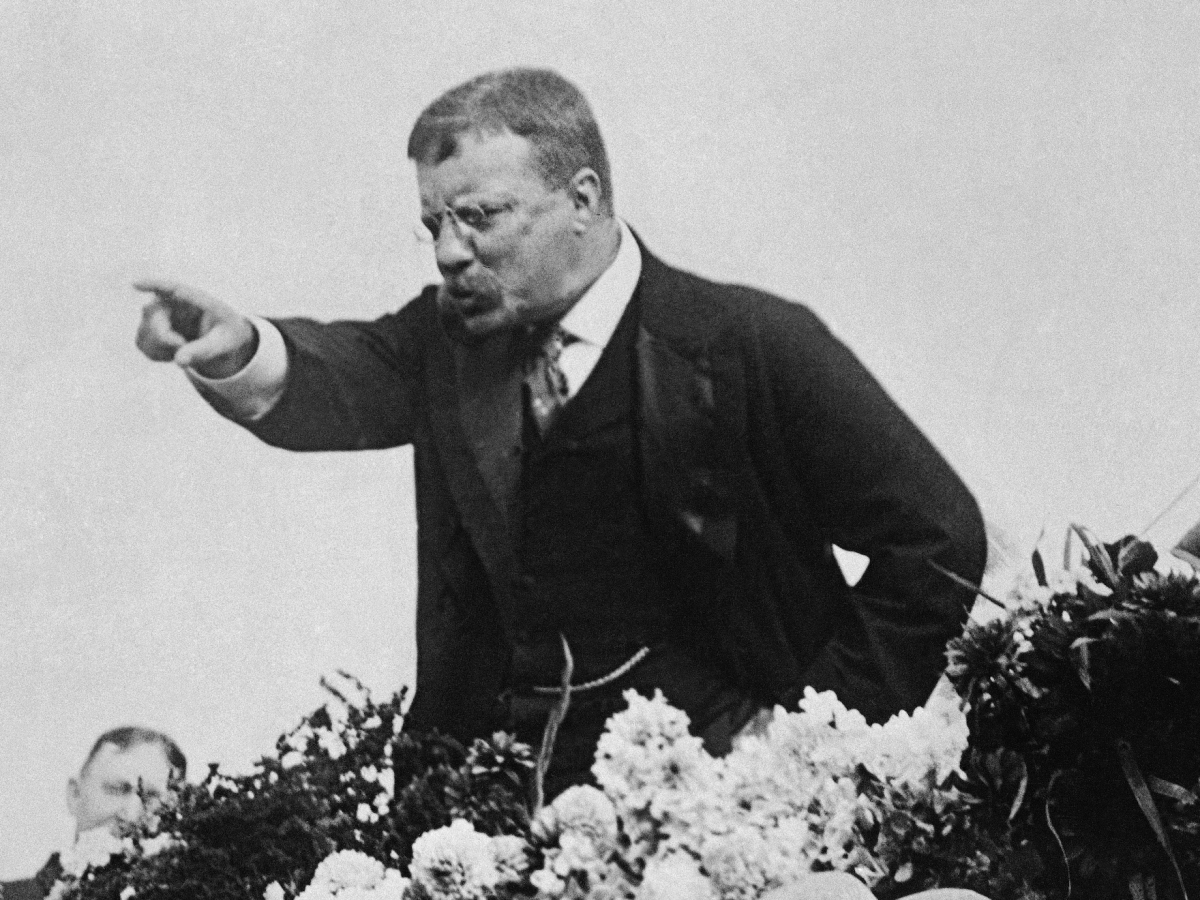
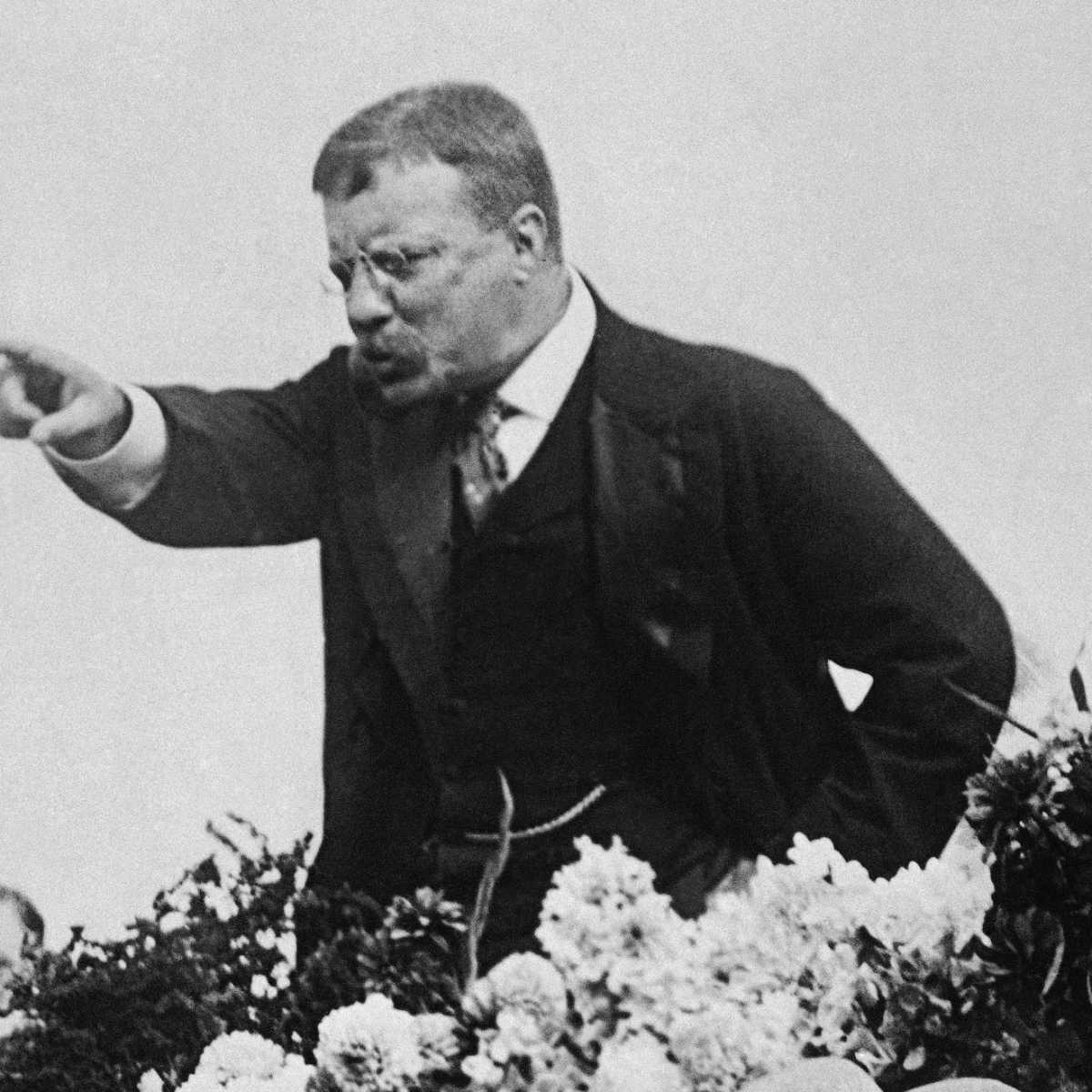
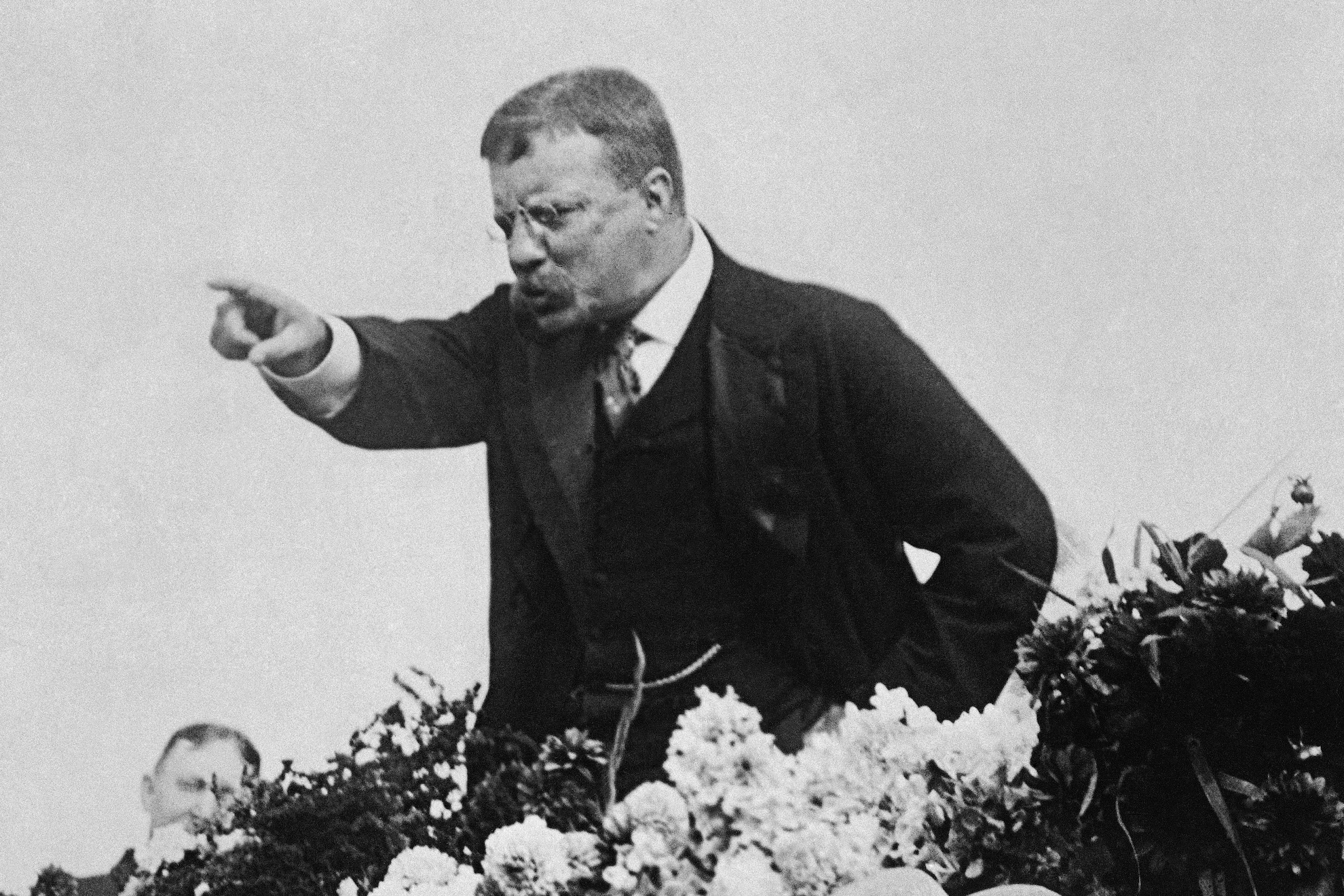
Theodore Roosevelt, U.S. President: "Whenever you are asked if you can do a job, tell 'em, 'Certainly I can!' Then get busy and find out how to do it"
The 26th president of the United States left behind a powerful message about confidence, initiative and learning through action
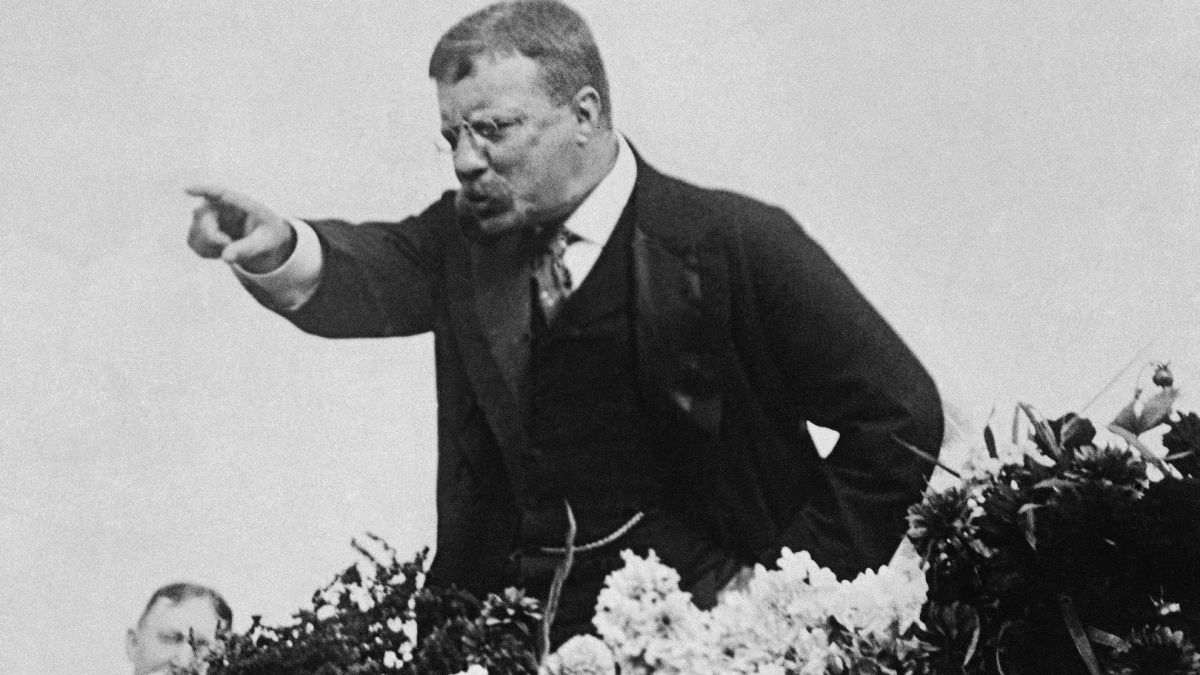
T heodore Roosevelt is remembered as one of the most energetic and influential presidents in American history, a leader whose career reflected his belief in taking on challenges rather than standing aside.
One widely shared saying associated with him captures that philosophy in a few words: "Whenever you are asked if you can do a job, tell 'em, 'Certainly I can!' Then get busy and find out how to do it".
The quote offers a practical lesson for anyone facing a new responsibility, whether in the workplace, education or everyday life.
Instead of allowing uncertainty to become an immediate reason to refuse an opportunity, it encourages people to approach the challenge with confidence and then put in the work needed to succeed.
Its message is not simply about appearing capable. The second half is just as important as the first: after expressing confidence, a person must take action, identify what they need to learn and work towards delivering the promised result.
That combination of self-belief and effort helps explain why the saying continues to circulate in discussions about careers, leadership and personal development.
It suggests that people do not always need to possess every answer before beginning a task, provided they are prepared to learn and take responsibility for the outcome.
There is, however, an interesting detail behind the attribution. The Theodore Roosevelt Presidential Library explains that Roosevelt used the maxim but did not present it as his own original invention. In his autobiography, he described it as a piece of practical wisdom quoted by Squire Bill Widener of Widener's Valley, Virginia.
What Roosevelt's words teach us about confidence and responsibility
The quotation challenges a familiar obstacle in professional life: the fear of being inexperienced.
When people are asked to take on unfamiliar work, they may focus on everything they do not yet know instead of considering how they could acquire the necessary skills.
Roosevelt's message reverses that instinct. It encourages a positive response to opportunity, followed by the determination to work out the details.
Confidence becomes the starting point rather than a reward that can only be claimed after every uncertainty has disappeared.
In a workplace, for example, an employee might be asked to lead a project they have never managed before.
The quotation's approach would be to accept the responsibility, seek guidance where necessary, research the subject and develop a plan. Rather than treating a lack of experience as an automatic barrier, the person uses the opportunity to learn.
The principle can also apply to students, entrepreneurs and people considering a change in career.
New situations often demand abilities that cannot be fully developed in advance. Taking on a worthwhile challenge can provide the experience needed to become more capable in the future.
Nevertheless, the quote should not be interpreted as an instruction to make promises without considering the consequences.
Some responsibilities require specialist qualifications, formal training or safety checks. Confidence is valuable, but it must be accompanied by honesty about one's limitations and a willingness to seek help when necessary.
That distinction makes the saying more than a simple call to say yes to everything. Its strongest interpretation is about being resourceful: do not automatically reject an opportunity because it is unfamiliar, but do not mistake enthusiasm for competence either.
The president behind the philosophy
Roosevelt's own life helps explain why the quote is so closely associated with his approach to leadership.
Born in New York City in 1858, he overcame significant health difficulties during childhood, including severe asthma, and developed a reputation for determination and physical activity.
His public career included service as a New York state assemblyman, police commissioner, assistant secretary of the Navy, governor of New York and vice president.
He became president in September 1901 following the assassination of William McKinley , making him the youngest person to hold the office at the time. He subsequently won election in his own right in 1904.
As president, Roosevelt pursued an active approach to government. His administration took on powerful corporate interests, supported consumer protections and advanced conservation efforts.
The National Park Service credits his conservation legacy with protecting more than 230 million acres of public land through national forests, monuments and other federal designations.
His career involved decisions with consequences far beyond his own circumstances.
Although the quote about accepting a job is not necessarily an original Roosevelt saying, its emphasis on action and practical problem-solving fits the public image he cultivated throughout his life.
Roosevelt's record also illustrates that action does not guarantee an easy path or an immediate victory. Leadership involves making decisions with incomplete information, learning from setbacks and remaining accountable for the results.
Why the quote remains relevant today
In an age when professional opportunities can require people to adapt quickly, Roosevelt's associated maxim still resonates. Employers value initiative, while many careers demand continuous learning as technology and working practices evolve.
The saying offers encouragement to people who hesitate because they believe they must be completely prepared before attempting something new.
Often, the first step is to recognise that a challenge is possible, followed by the disciplined effort needed to make it happen.
Its enduring appeal rests on the balance between optimism and responsibility. Saying "Certainly I can!" expresses belief in one's ability to rise to a challenge. Getting busy and finding out how to do it turns that belief into meaningful action.
Ultimately, the lesson is not that everyone should claim to be capable of everything. It is that uncertainty does not always have to be the end of an opportunity.
With preparation, curiosity, persistence and the willingness to ask for help, unfamiliar responsibilities can become opportunities for growth.
That is the practical wisdom behind the quotation attributed to Theodore Roosevelt: confidence may open the door, but effort, learning and accountability are what allow someone to walk through it.