Who do you vote for in Midterm Elections? Every race that will be decided next Tuesday
The 2026 US midterm elections will determine control of Congress, numerous state governments and key local offices, giving voters an opportunity to influence the country's political direction
Americans will head to the polls on Tuesday, November 3, for the 2026 midterm elections.
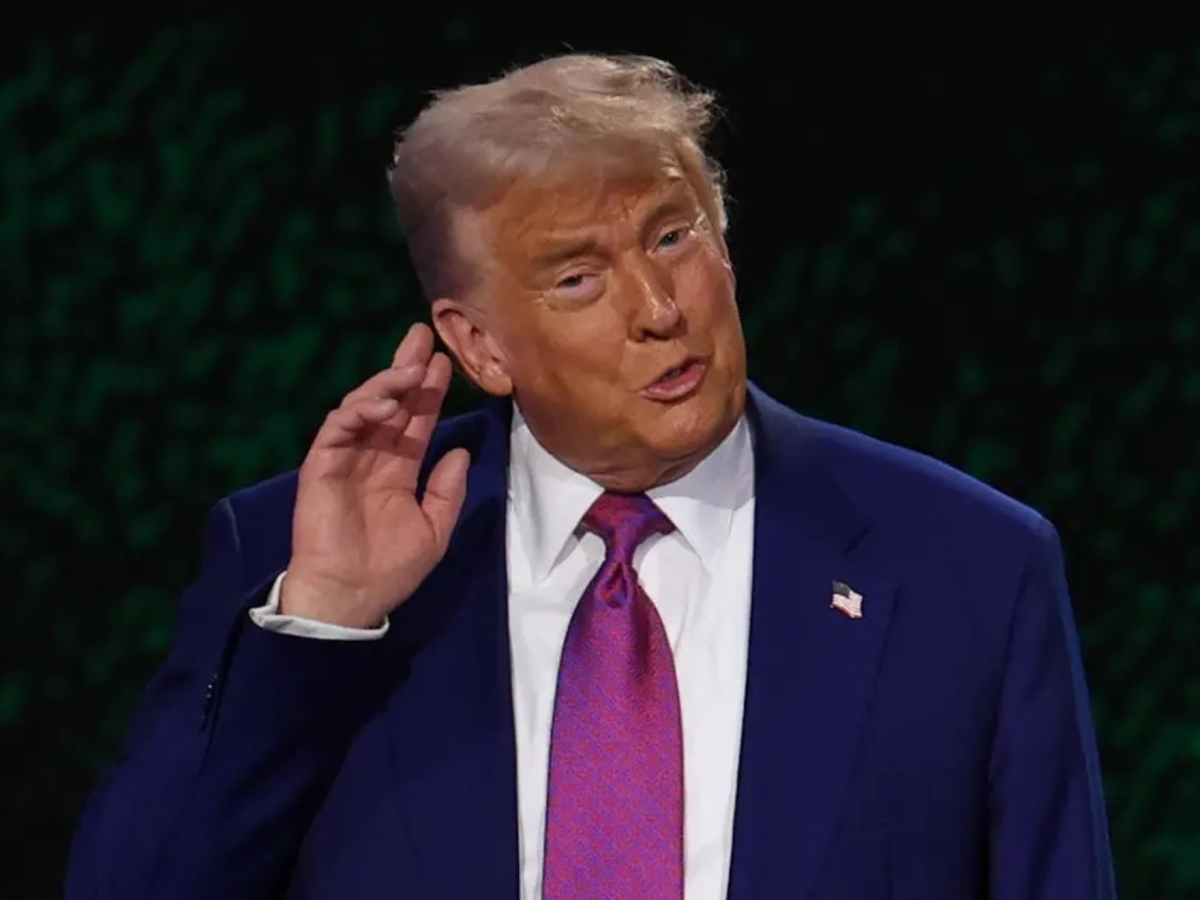
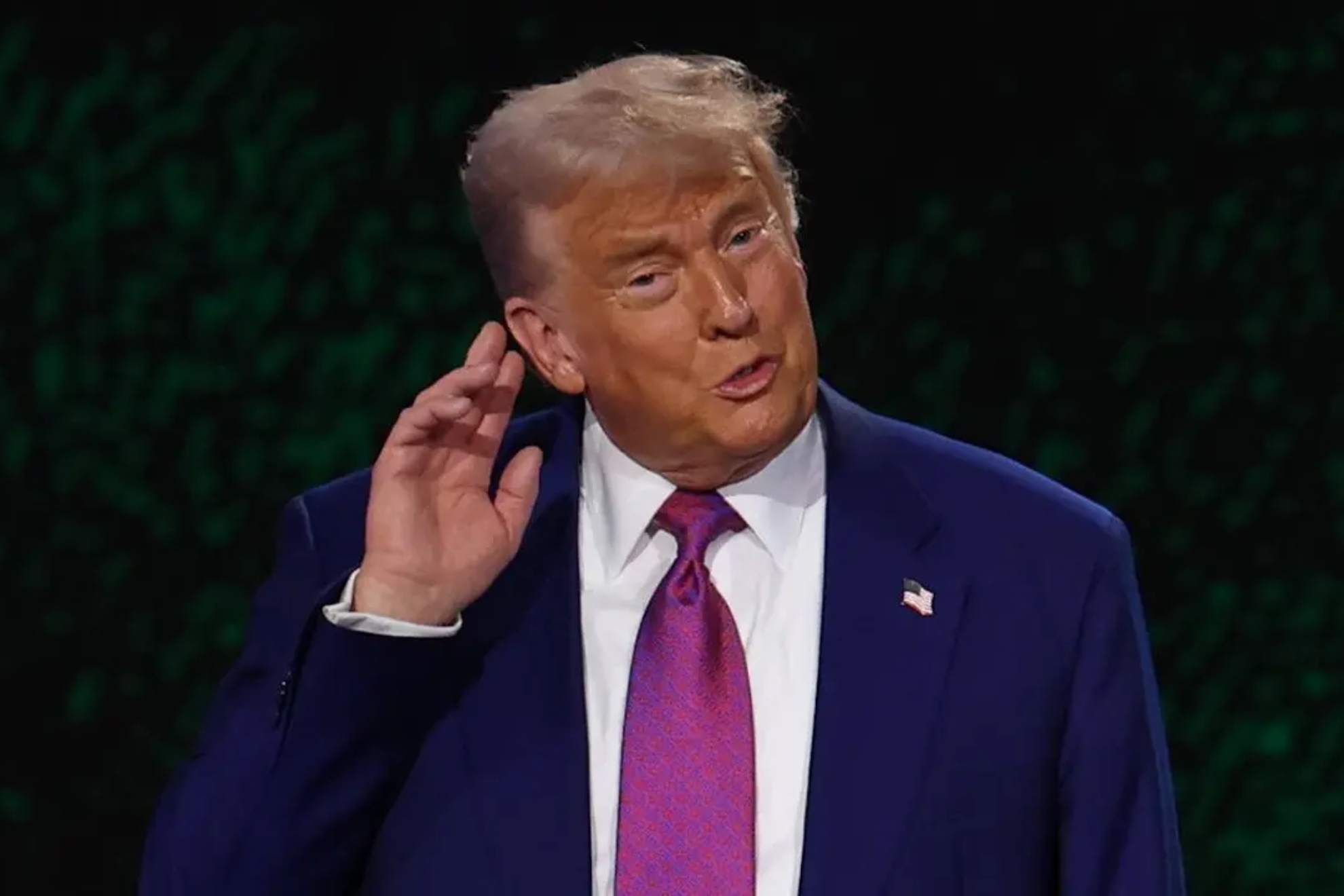
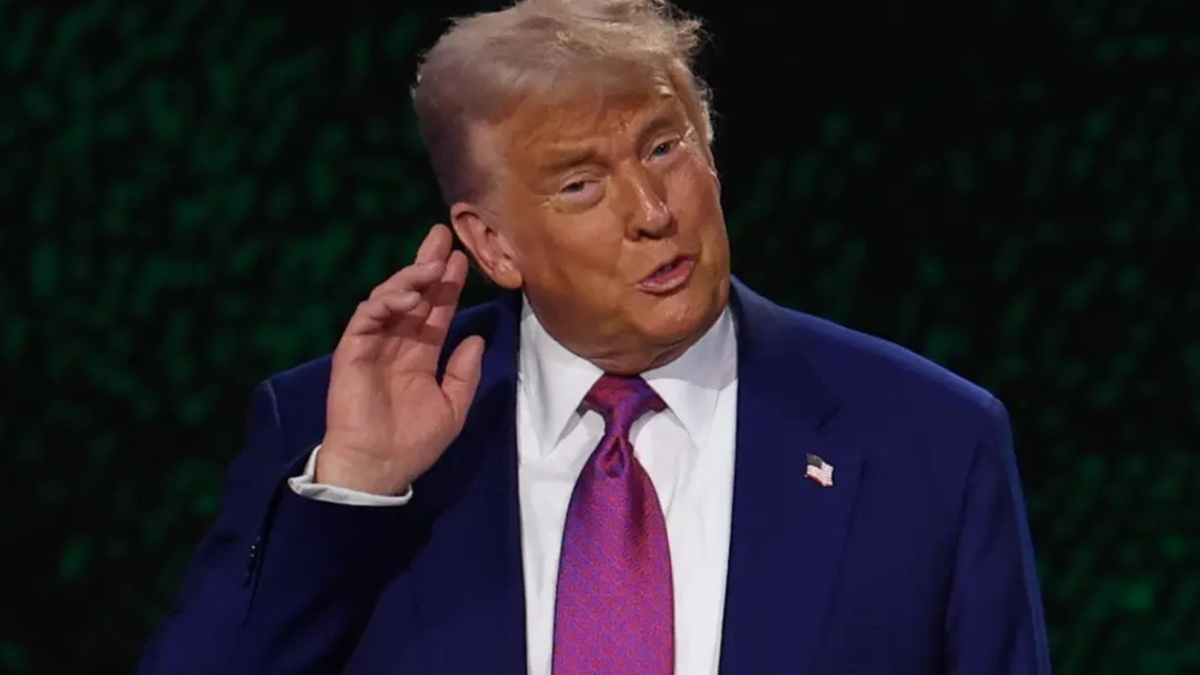
Although President Donald Trump will not be on the ballot, the results could significantly affect his ability to advance his agenda during the remainder of his second term.
Voters will choose all 435 members of the House of Representatives, a portion of the Senate , governors in 36 states and numerous state and local officials. Some states will also hold votes on ballot measures covering specific laws or constitutional changes.
Midterm elections take place halfway through a president's four-year term. They often serve as a public assessment of the administration's performance, while determining which party controls Congress and sets its legislative priorities.
Which congressional races will be decided?
Every seat in the House of Representatives is contested, with all members serving two-year terms. The Senate has a different system, with six-year terms staggered so that roughly one-third of its seats are contested every two years.
In 2026, 33 regularly scheduled Senate seats and two special-election seats are on the ballot.
Republicans are defending their congressional majorities, while Democrats hope to gain enough seats to take control.
A change in either chamber would affect the legislation considered, government spending negotiations and congressional oversight of the Trump administration.
Several Senate contests are attracting particular attention. In Georgia, Democratic Senator Jon Ossoff faces Republican Mike Collins .
Michigan has an open-seat contest featuring Democrat Abdul El-Sayed and Republican Mike Rogers , while New Hampshire's race includes Democrat Chris Pappas and Republican John Sununu .
Other closely watched contests include Maine, where Republican Susan Collins faces Democrat Troy Jackson , and North Carolina, where Democrat Roy Cooper and Republican Michael Whatley are competing for an open seat.
Governors and local officials are also on the ballot
Beyond Congress, voters will decide 36 gubernatorial races, alongside contests for state legislatures and other offices. These elections can directly affect policies involving education, taxes, healthcare, housing and public safety.
Depending on where they live, voters may also elect attorneys general, secretaries of state, judges, prosecutors and local representatives. Ballot initiatives could give residents a direct say on proposed laws or amendments to their state's constitution.
The campaigns are being shaped by issues including the cost of living, immigration, healthcare, abortion rights and the economy. The results will determine not only who represents voters in Washington but also who makes important decisions at state and local levels.
How to find your candidates
There is no single ballot for the entire country. The candidates available to each voter depend on their home address and electoral district.
The nonpartisan US Vote Foundation offers election information, while the official USA.gov midterm elections guide helps voters find state-specific guidance. Checking a state's official election website is the best way to confirm polling locations, identification requirements and voting deadlines.
Voters should also review a sample ballot before Election Day so they know which candidates and proposals they will be asked to consider.
The November 3 election could reshape the balance of power in Washington and influence policy across the country. Checking the candidates and races on your own ballot is the first step toward making an informed decision.