Was he qualified? Lead physician in Christa Pike's botched execution hadn't placed IV line since 2013
New details about Dr. Mark Fowler's medical experience have raised questions

Tennessee officials had been warned about the medical qualifications of a physician involved in the state's lethal injection procedures months before Christa Pike survived an execution attempt that prompted the suspension of further executions.
Dr. Mark Fowler , appointed by the Tennessee Department of Correction, had not inserted a central intravenous catheter since 2013, according to testimony he provided under oath in 2025.
Despite that admission, Fowler was involved in the failed execution of Tony Carruthers in May 2026 and was subsequently selected to oversee Pike's lethal injection four months later.
Court documents seen by People reveal that Fowler also acknowledged having no hospital privileges to perform central line procedures, raising questions about the state's decision to retain him.
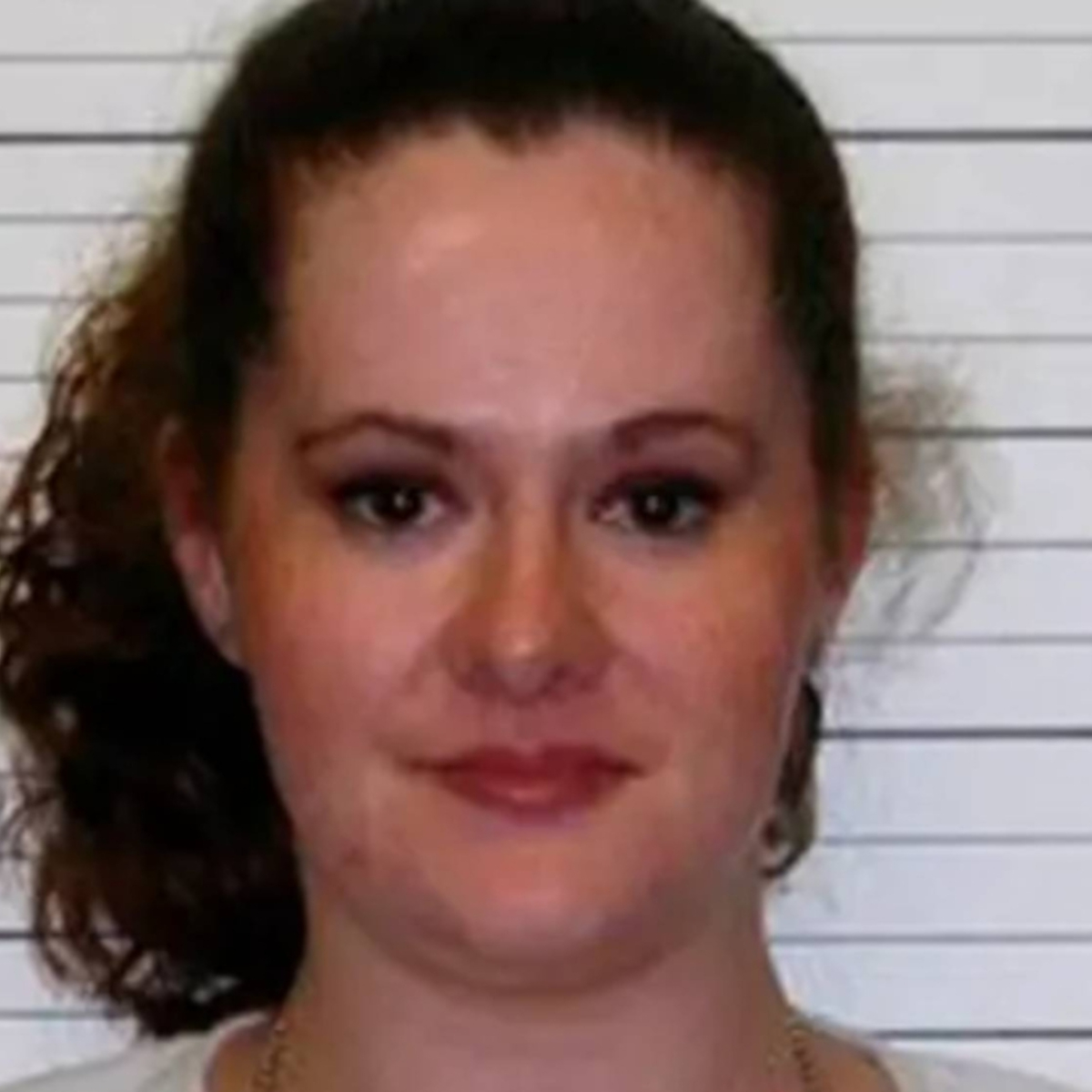
Those concerns became particularly significant after Pike 's September 30 execution attempt failed, leaving her hospitalized following complications with the administration of the lethal injection drug pentobarbital.
The revelations have intensified scrutiny of Tennessee's execution protocol and whether officials adequately responded to warnings about the experience of medical personnel involved.
Fowler 's role came under scrutiny following the May 21 attempted execution of Carruthers , when a three-person intravenous team struggled to establish the required access for administering lethal drugs.
According to a court declaration from Carruthers ' attorney, Maria DeLiberato of the American Civil Liberties Union, Fowler was called into the execution chamber after the initial attempts proved unsuccessful.
The physician then attempted to insert a central catheter in two locations, but neither procedure succeeded, and officials eventually abandoned the execution after more than an hour.
DeLiberato described Carruthers as being "clearly in pain" and "gutturally groaning," recalling that he repeatedly complained, "It hurts, it hurts."
The medical concerns extended beyond Fowler 's unsuccessful attempts, with anesthesiology expert Dr. Gail Van Norman questioning whether his experience met contemporary clinical expectations.
In a declaration reviewed by People, Van Norman concluded that Fowler lacked the recent training and practical experience generally necessary to maintain central line privileges at major hospitals.
She also characterized the technique described in the court evidence as a "violation of the current standard of care."
Botched execution prompts demands for accountability
The concerns surrounding Fowler resurfaced after Pike survived two doses of pentobarbital during Tennessee's September execution attempt.
Fowler subsequently attributed the failure to an improperly positioned intravenous line, which allowed the drug to enter surrounding tissue rather than circulate properly through her bloodstream.
Following the incident, Governor Bill Lee ordered an independent investigation and suspended the state's remaining scheduled execution for 2026.
Fowler has previously defended his experience, telling ProPublica that inserting a central line was comparable to riding a bicycle and disputing allegations that his hands shook during Carruthers ' procedure.
However, attorneys representing death row prisoners argue that the earlier failed execution should have prompted a thorough review before Tennessee proceeded with Pike 's case.
"These problems will keep happening until Tennessee takes meaningful steps to increase transparency, oversight, and accountability in the execution process," said Kit Thomas , deputy chief of the Federal Public Defender's Capital Habeas Unit in Middle Tennessee.
The controversy now extends beyond one doctor's qualifications, raising broader questions about medical oversight, execution procedures and the state's responsibility to address known risks.