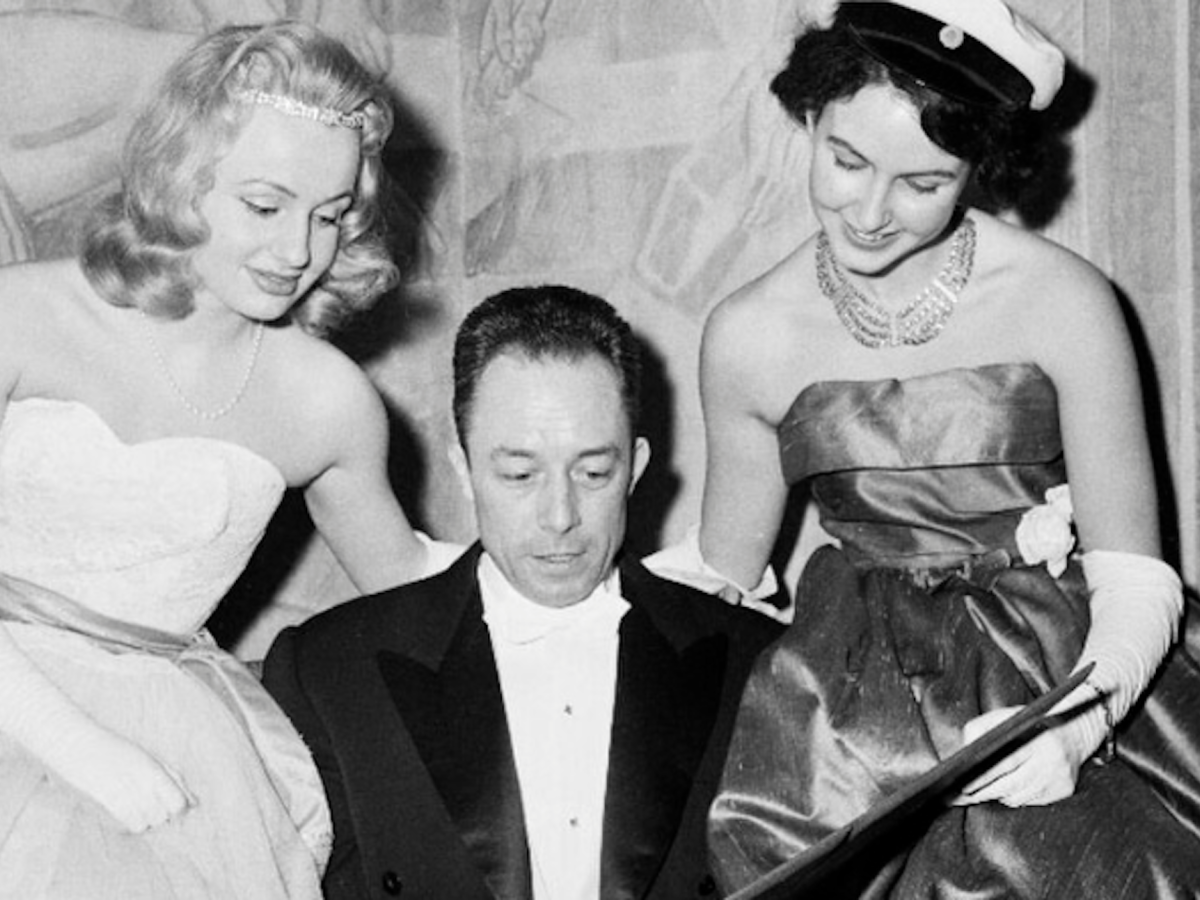
Albert Camus, philosopher: "The evil that is in the world almost always comes of ignorance, and good intentions may do as much harm as malevolence if they lack understanding"
The French Nobel Prize-winning writer warned that sincere intentions are not enough to make an action good
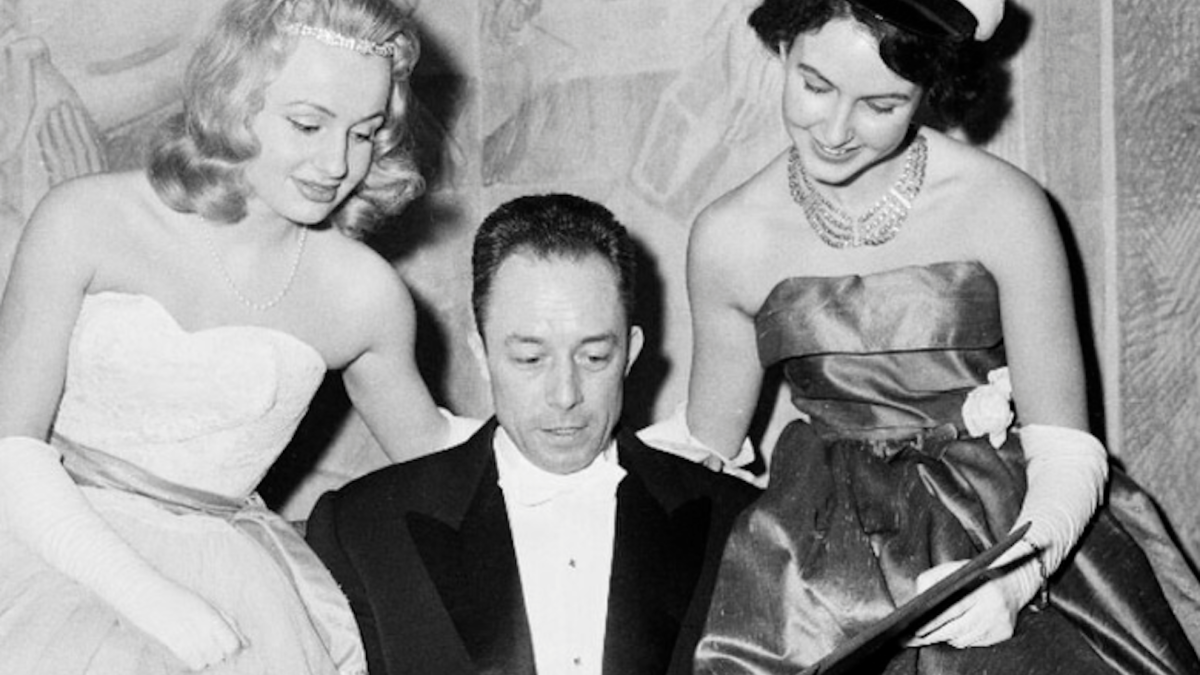
Albert Camus remains one of the most influential literary and philosophical voices of the 20th century. His reflections on morality, human suffering and responsibility continue to attract readers searching for ways to understand a complicated world.
One of his most thought-provoking observations concerns the dangers of ignorance, particularly when people believe they are doing the right thing.
"The evil that is in the world almost always comes of ignorance, and good intentions may do as much harm as malevolence if they lack understanding"
The quotation, widely shared on platforms including BrainyQuote and Goodreads, challenges the assumption that a person’s intentions alone determine whether their actions are good.
Camus suggests that harm does not always originate in deliberate cruelty. It can also emerge when people act without considering the circumstances, needs or consequences involved.
A person may genuinely want to help but still make a situation worse by relying on incomplete information, refusing to listen to others or assuming that their own judgment cannot be wrong.
In this sense, the quotation is both a criticism of ignorance and a demand for greater responsibility.
The sentiment comes from a broader concern that runs throughout Camus’s work: how human beings should behave in a world where suffering is real, certainty is often elusive and moral decisions can have devastating consequences.
Why Camus believed understanding was essential to goodness
Born in 1913 in French Algeria, Camus became a novelist, journalist, playwright and essayist whose work examined the relationship between human freedom, morality and an apparently indifferent world.
He received the Nobel Prize in Literature in 1957, with the Swedish Academy recognizing writing that explored the problems of human conscience.
Although he is often associated with existentialism, Camus developed a distinctive philosophical outlook, particularly through his writing about the absurd: the tension between humanity's search for meaning and the world's failure to provide simple answers.
His novel The Plague, published in 1947, is especially relevant to the quotation. Set in the Algerian city of Oran during an epidemic, the story follows people confronting widespread illness, isolation and death.
Rather than offering an easy explanation for the disaster, Camus explores how individuals respond to suffering and what responsibility they have toward others.
The novel's characters reveal different ways of confronting a crisis. Some struggle to understand what is happening, while others focus on practical efforts to relieve suffering. Doctor Bernard Rieux, in particular, represents the decision to help people even when there is no guarantee of success.
The lesson is not that people must possess perfect knowledge before taking action. Instead, Camus emphasizes the importance of recognizing limitations, examining evidence and responding to the needs of those affected.
Ignorance becomes particularly dangerous when it is combined with certainty, because someone who believes they already know everything may feel justified in imposing decisions on others.
That warning extends beyond individual relationships. Political movements, public institutions and social campaigns can all produce harmful outcomes when they prioritize an abstract ideal over the real experiences of human beings.
A policy introduced to improve lives may still cause damage if its designers fail to understand the people it affects.
The difference between good intentions and good decisions
Camus’s observation remains relevant because people frequently judge themselves by what they intended to achieve rather than by what actually happened. Yet intention and consequence are not interchangeable.
Good intentions may explain why someone acted, but they do not automatically excuse preventable harm.
Understanding requires more than gathering facts. It also involves listening, questioning assumptions and being prepared to change course when new information emerges.
In difficult situations, it may mean accepting that another person's experience differs from one's own and that a well-meant solution is not necessarily the right one.
The quotation also offers a warning against confusing confidence with wisdom. When people become convinced that their cause is unquestionably righteous, they can stop examining the effects of their decisions.
Camus was deeply concerned with ideologies that justified suffering in the name of a supposedly better future.
His message is not that human beings are inevitably cruel. Rather, it is that preventing harm requires continuous effort, clear thinking and an awareness of human vulnerability.
More than seven decades after The Plague appeared, the quotation continues to resonate because it asks a demanding question: are good intentions enough if people refuse to understand the consequences of their actions?
For Camus , genuine goodness requires more than wanting to do right. It demands the willingness to learn, to acknowledge uncertainty and to treat other people as human beings rather than abstractions.