Unexpected anti-cancer finding: pressure inside the tumor can cause its cells to self-destruct and slow metastasis
A Chinese study discovers that physical confinement activates a cell death mechanism in tumor cells
Metasta si s, that is, the ability of tumor cells to move and invade other tissues, is one of the greatest obstacles in the fight against cance r. However, a new study suggests that the tumor’s own environment could turn against it.
Researchers from the Chinese Academy of Sciences in Shanghai have demonstrated, using three-dimensional laboratory models, that the physical pressure and confinement endured by cancer cells can halt their progression and even cause their death. The work has been published in the journal Developmental Cell , from Cell Press.
According to Liming Sun , co-author of the study, most previous research had focused on how these cells acquire the ability to migrate. Very few had asked what happens to them when they remain under chronic physical stress , such as that found in densely populated tumors.
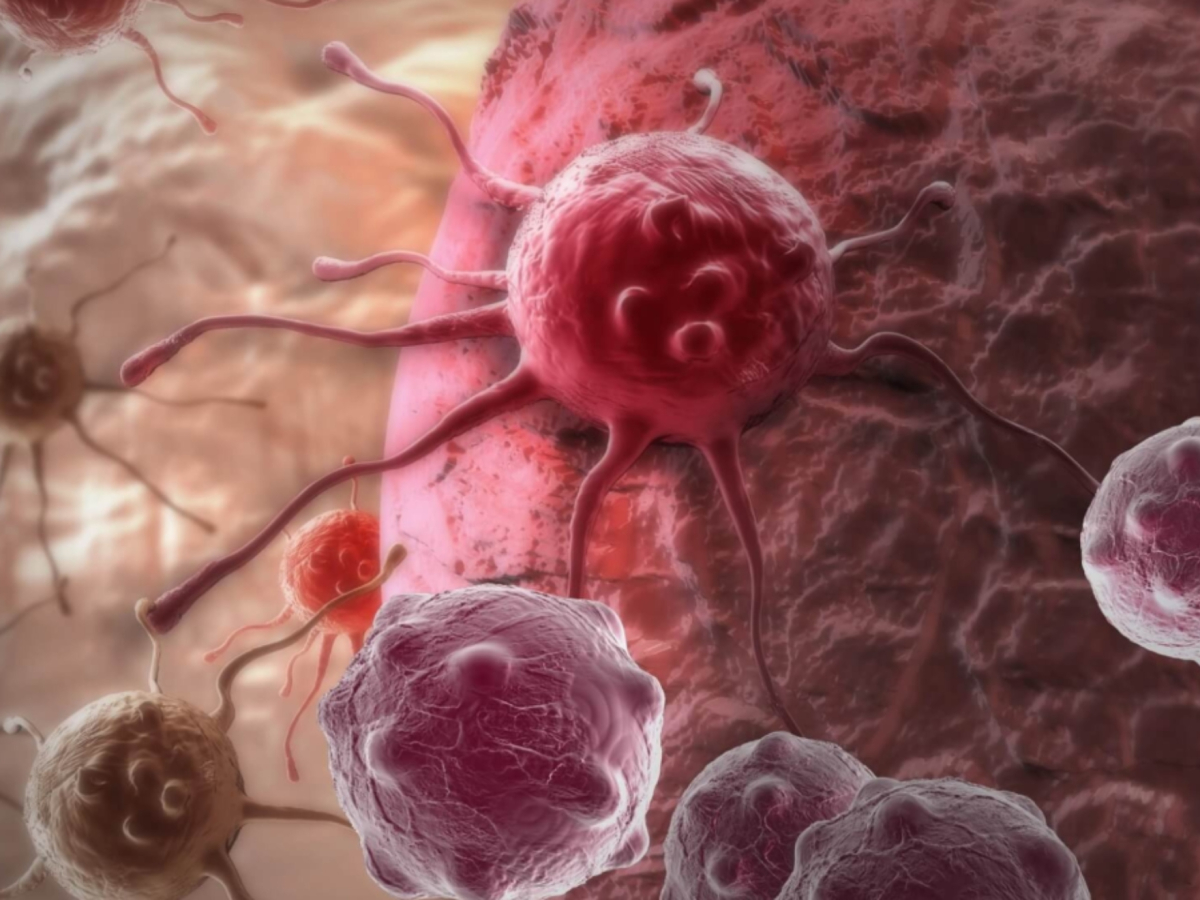
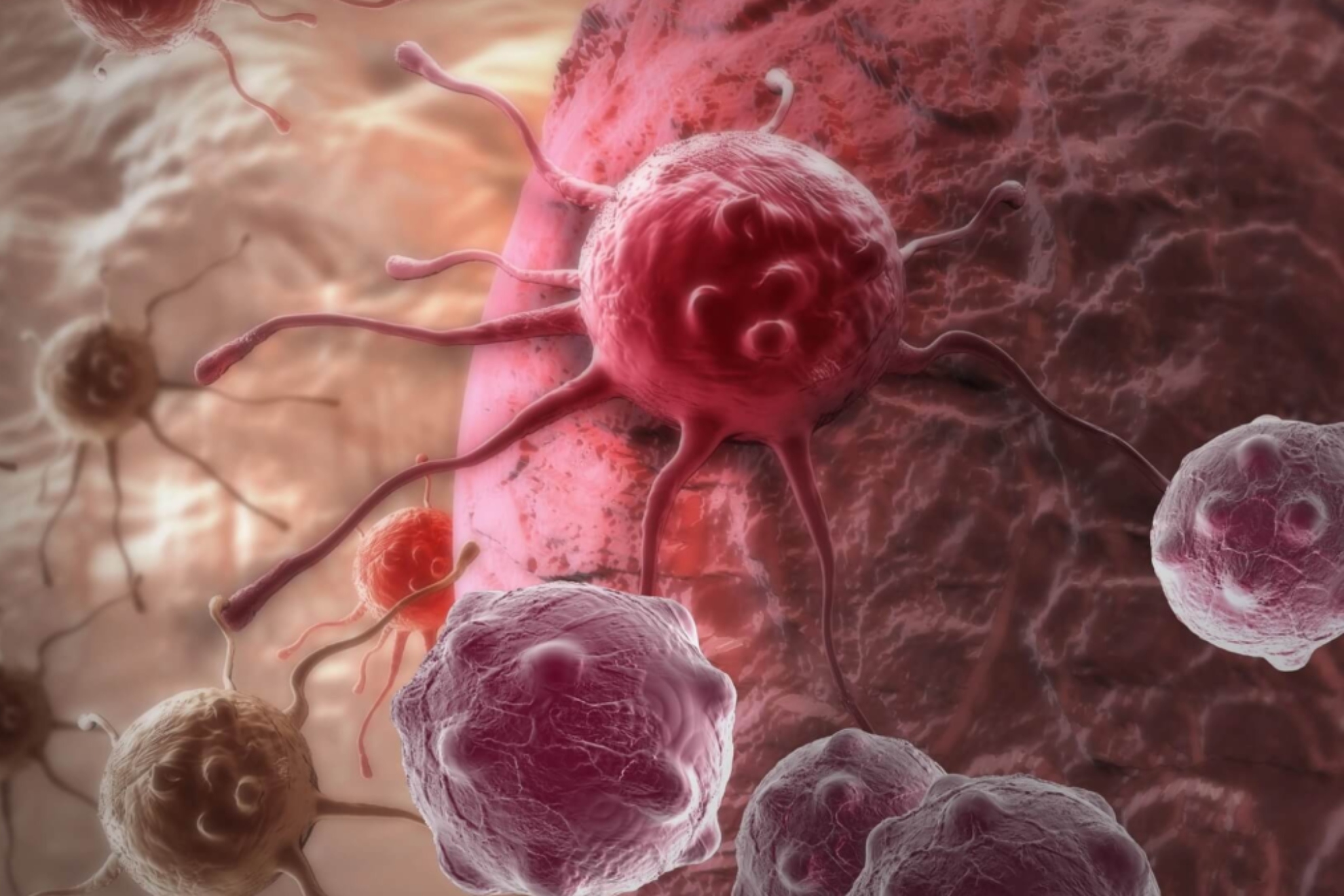
The team focused on cells in the midst of the mesenchymal-amoeboid transition, a phase in which they change the way they move to become highly deformable and get around barriers or narrow spaces. In them , prolonged pressure did not act as a simple obstacle, but rather as a signal that activated necroptosis , a type of programmed cell death.
Sun describes it as “a completely unexpected mechanism” . Thus, the cells interpret that anomalous physical environment as a threat and self-destruct.
The key lies in the MLKL protein , which triggers this process. The authors believe it could serve as a biomarker to anticipate which tumors are at greater risk of spreading, since those with low levels of this protein would be more likely to do so.
The finding opens the door to combining current treatments with strategies that activate necroptosis. For now, this is basic research, and the team will study how MLKL slows metastasis and whether it can be activated therapeutically .