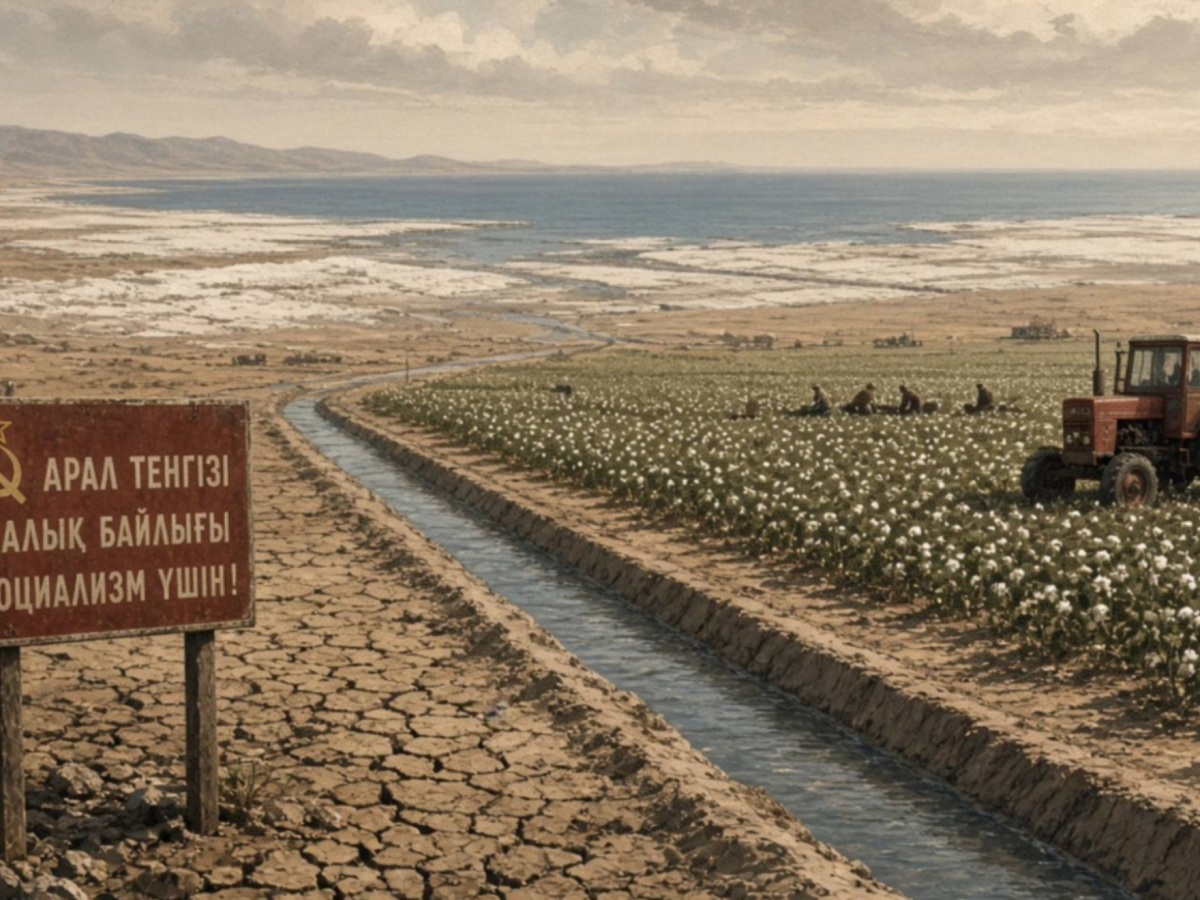
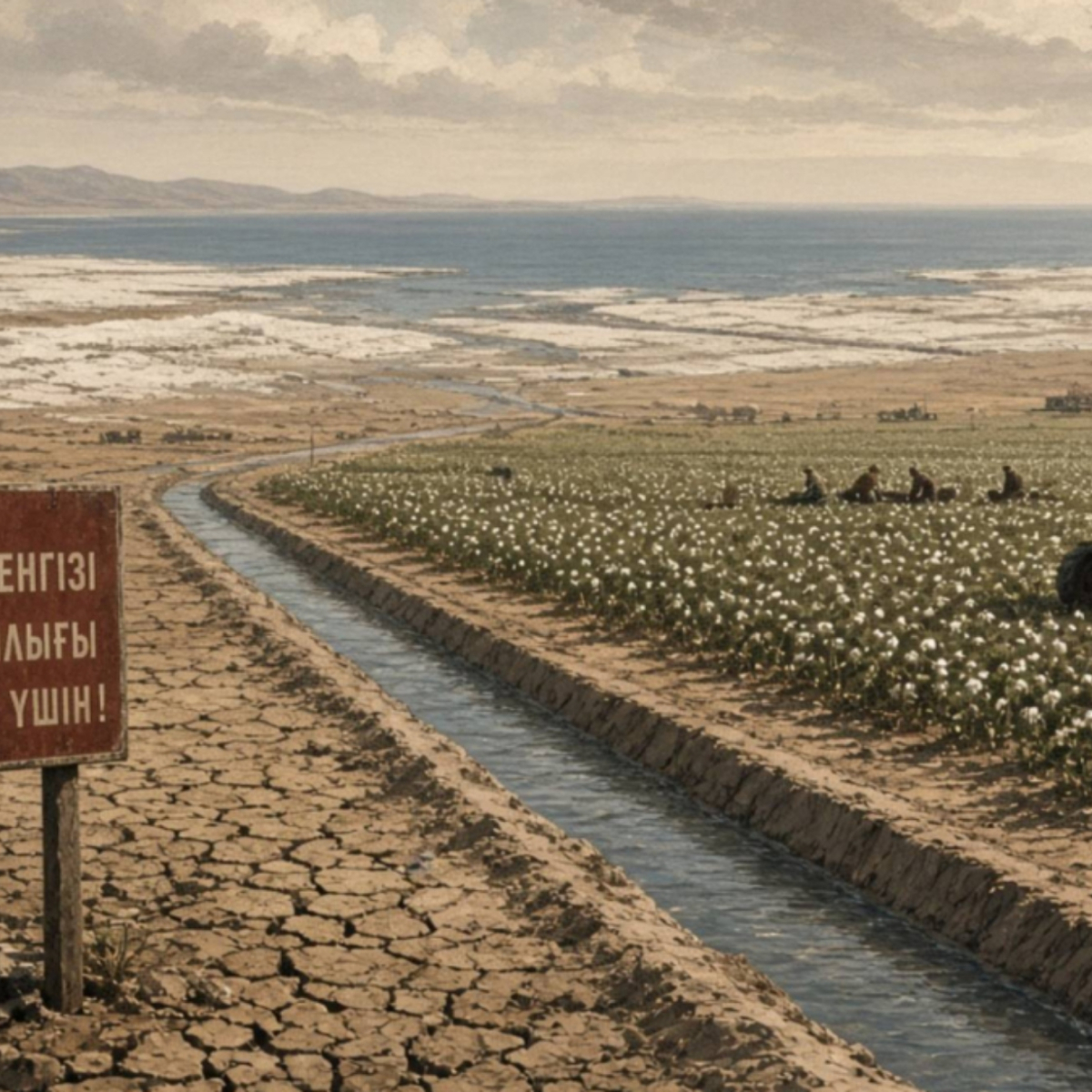
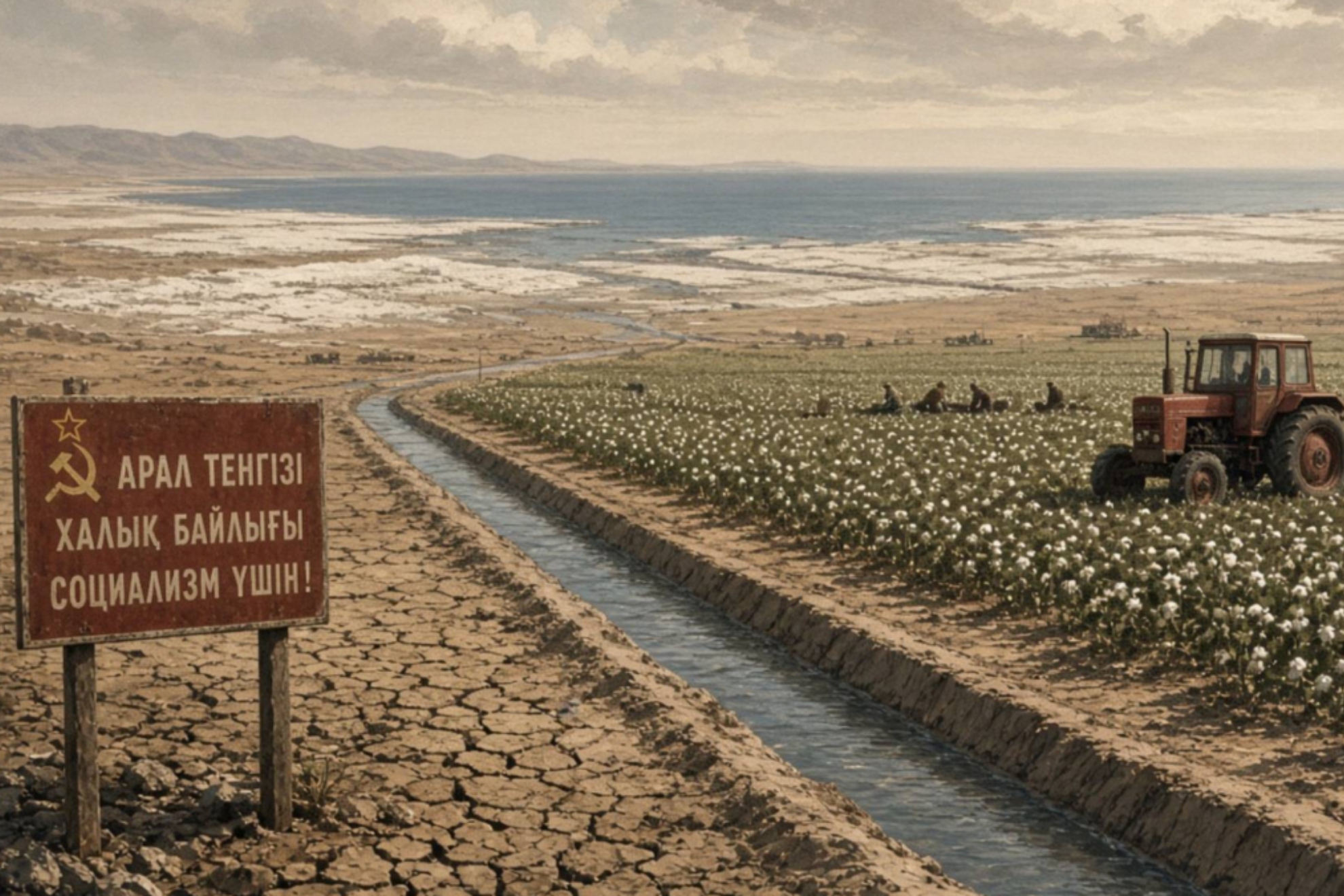
In the 1960s, the Soviet Union drained a sea to irrigate cotton crops; today, shrubs have been planted to prevent dust storms
One of the most profound environmental transformations of the 20th century
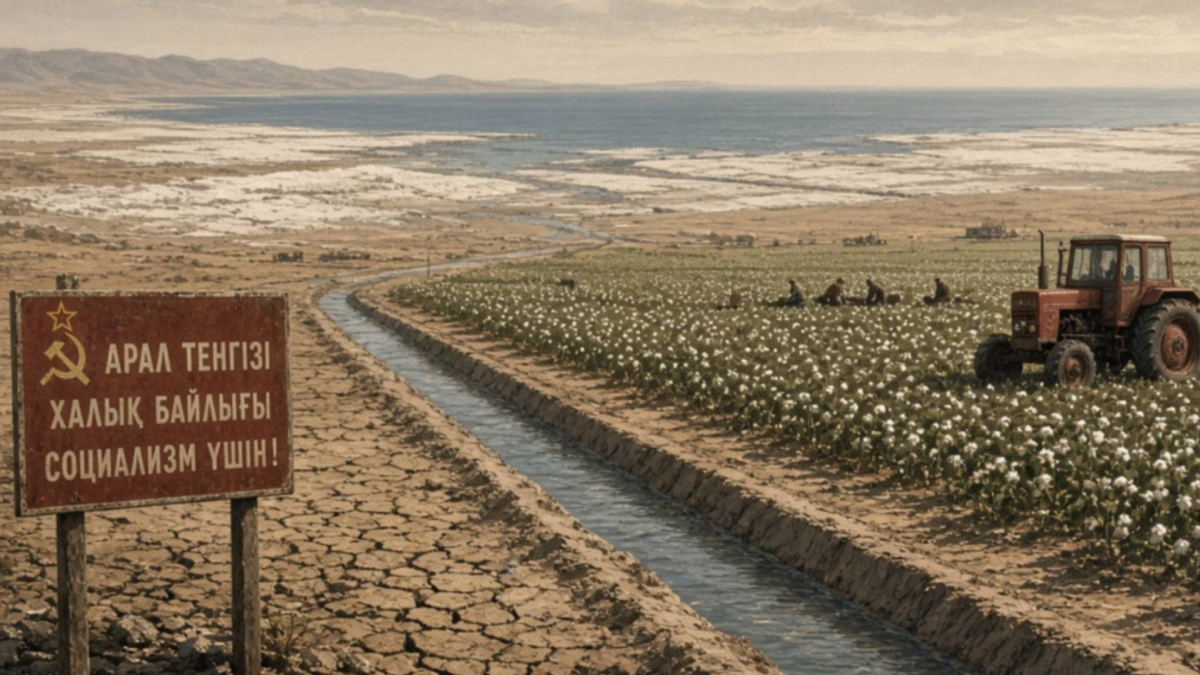
In the 1960s, the world witnessed how human needs once again took precedence over those of nature. During those years, the Soviet Union chose to divert water from two rivers, the main tributaries of the Aral Sea , one of the largest inland lakes on the planet. The goal was simply to support the expansion of agriculture and irrigate cotton crops.
Before human intervention, the Aral Sea covered some 68,000 square kilometers and provided livelihoods for dozens of local fishermen. The growth of agriculture led the Soviet Union to set its sights on this inland lake. Consequently, it began diverting water from the Amu Darya and Syr Darya rivers.
The role of a shrub in the desert that formed in the Aral Sea
The entire volume of water from the Aral Sea came to be used to irrigate crops, primarily cotton. Over the years, the lake ended up paying the price: the amount of water that evaporated exceeded the amount that flowed in from the rivers. As a result, more than 90% of the lake’s surface area was completely lost, and the lake bed—covering some 60,000 square kilometers—was laid bare.
Decades later, this area became known as the Aralkum Desert, but another problem began to emerge: salts and residues from agricultural activity were swept up by dust storms and affected the soil, crops, and air quality itself. In response, they decided to plant saxaul (Haloxylon), a shrub that Uzbekistan uses to prevent these dust storms from stirring up those harmful particles. So far, 1.7 million hectares have been planted.