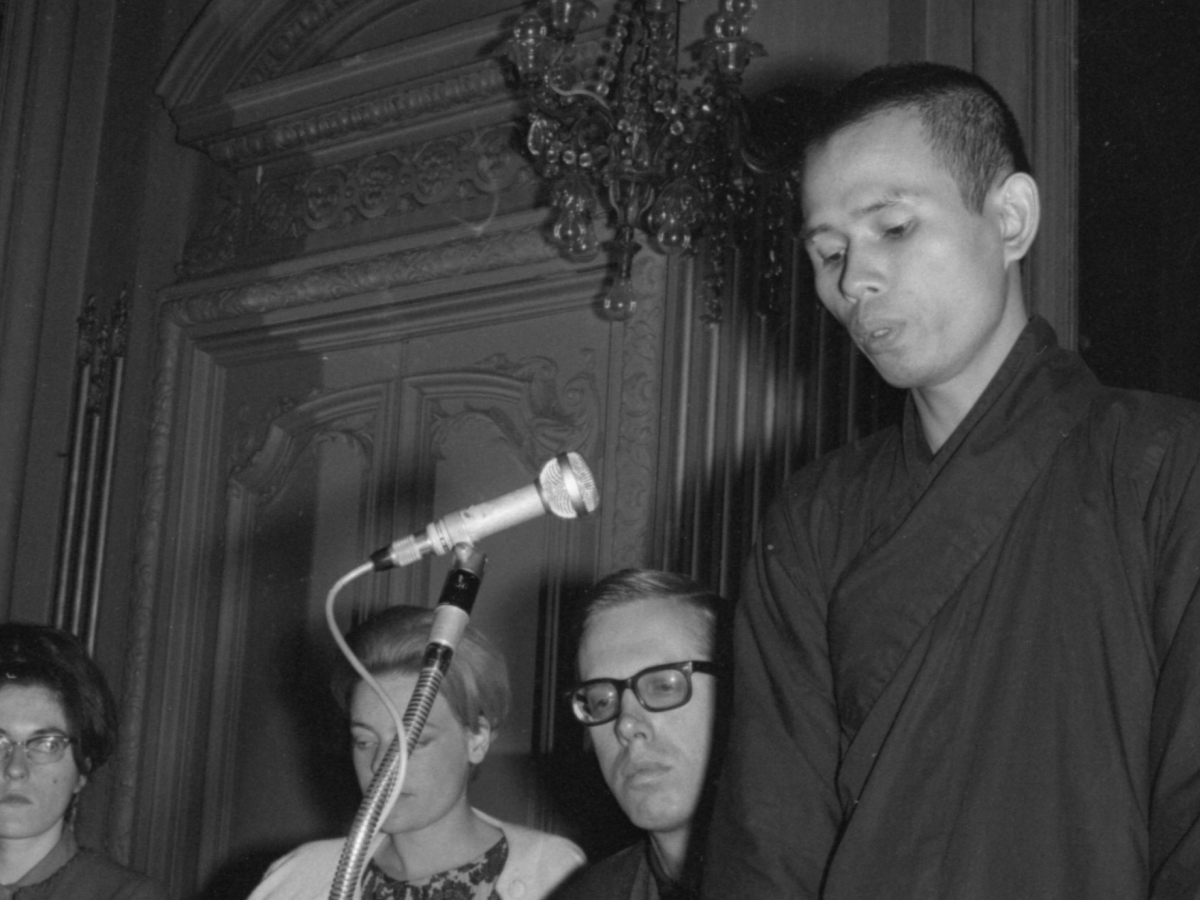
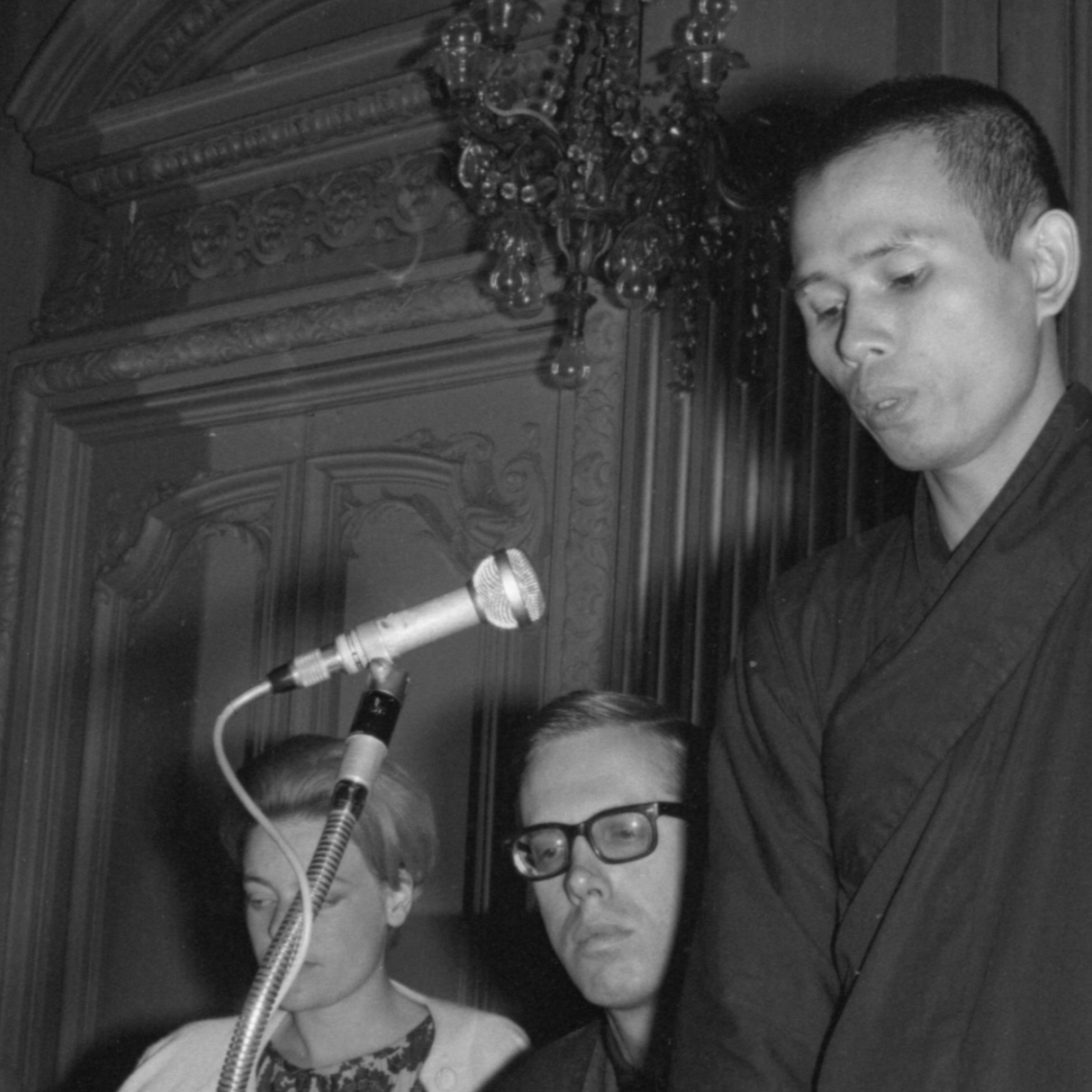
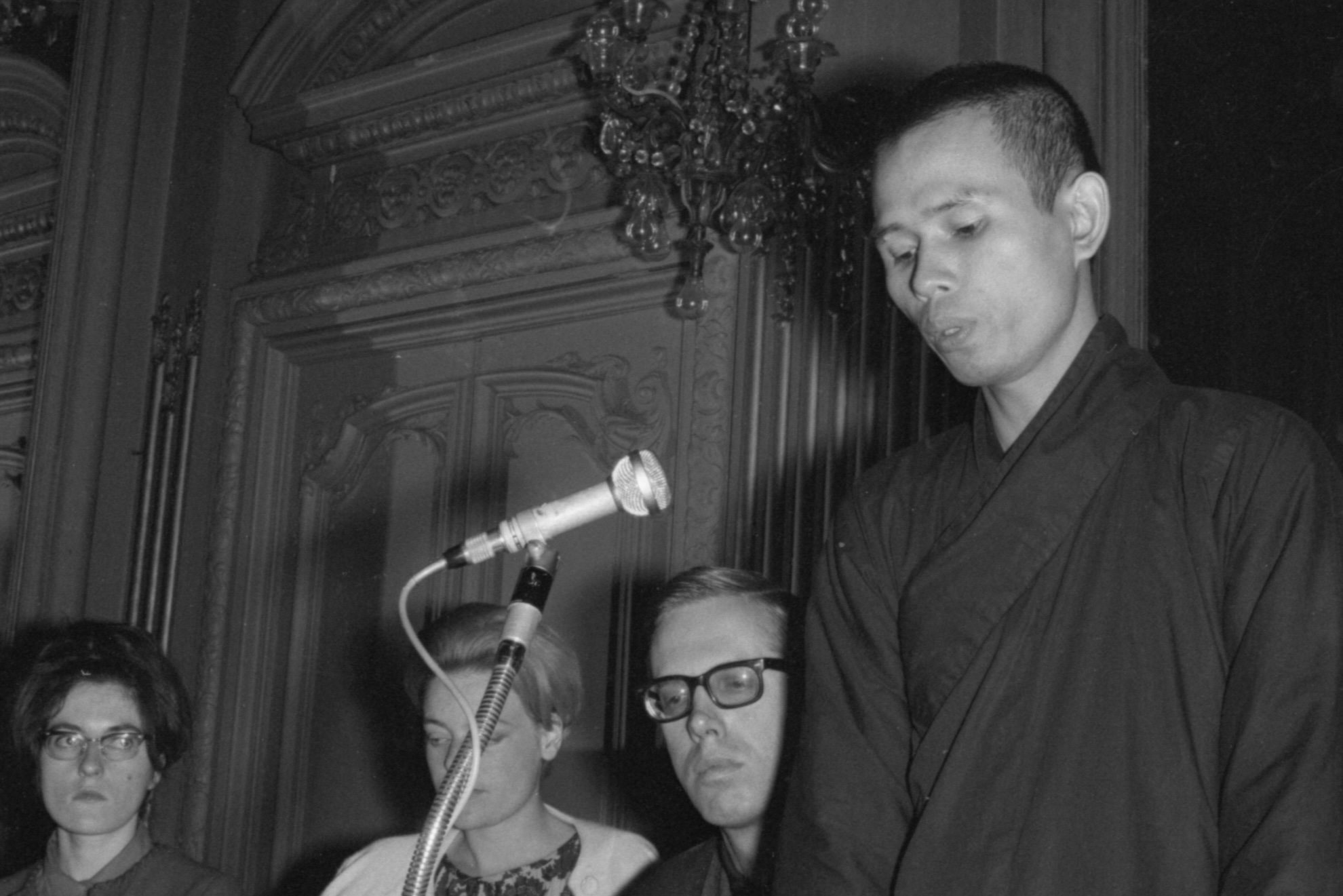
Thich Nhat Hanh, monk and peace activist: ”The best way to take care of the future is to take care of the present moment"
The Buddhist monk believed that preparing for tomorrow begins with changing how we approach the present moment
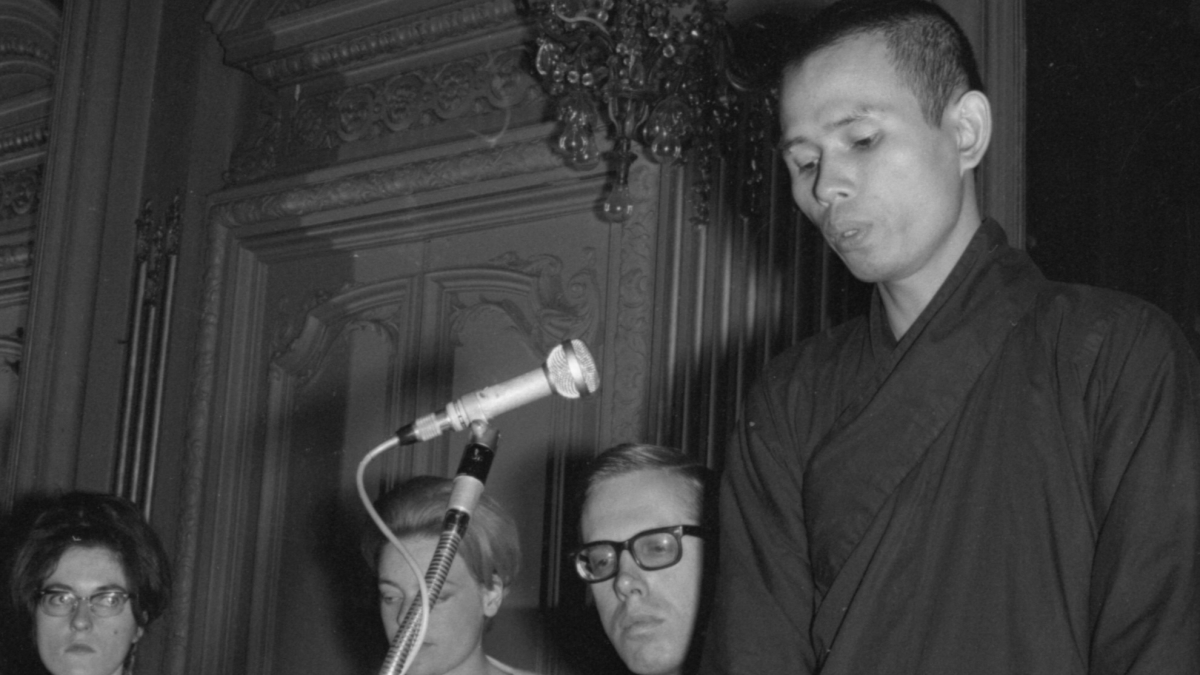
Most people spend a considerable part of their lives preparing for something that has not yet happened. Whether worrying about financial security, professional success or personal relationships, the expectation is often that life will become easier once a particular goal has been achieved.
Thich Nhat Hanh , the Vietnamese Buddhist monk whose teachings introduced mindfulness to audiences around the world, challenged that way of thinking with a deceptively simple observation: "The best way to take care of the future is to take care of the present moment."
Rather than dismissing the importance of planning, his words suggest that people have greater influence over their future through their immediate decisions than through endlessly anticipating what might happen.
It is a distinction that remains relevant in a world where uncertainty frequently dominates both personal decisions and public conversation.
The present shapes the future
Born in Vietnam in 1926, Thich Nhat Hanh devoted much of his life to teaching mindfulness, compassion and nonviolence.
His philosophy emphasized becoming fully aware of ordinary experiences instead of constantly allowing thoughts to drift toward past regrets or future concerns.
That approach wasn't an argument against ambition. Instead, it encouraged people to recognize that long-term progress is built through actions taken in the present.
Someone hoping to improve a relationship, for example, cannot control how that relationship will develop over the next decade. They can choose to listen more carefully, communicate honestly and demonstrate kindness today.
The same principle applies to professional goals, financial decisions and personal wellbeing. Each requires planning, but progress ultimately depends on what happens now.
Hidden cost of constantly worrying about tomorrow
Concern about the future is a natural response to uncertainty, particularly when people face financial pressures, career changes or difficult personal circumstances.
However, repeatedly imagining negative outcomes can become exhausting when those thoughts don't lead to practical action.
Thich Nhat Hanh 's teachings offer a way of distinguishing useful preparation from unproductive worry.
Mindfulness encourages individuals to acknowledge uncertainty without allowing it to consume their attention, creating space to concentrate on responsibilities they can realistically address.
That might mean resolving an immediate problem, spending meaningful time with family or recognizing that rest is sometimes more productive than constant activity.
The underlying idea is that preparing for the future should not require sacrificing the experience of living in the present.
Why Thich Nhat Hanh's message remains relevant today
Thich Nhat Hanh 's influence extended far beyond meditation. His opposition to the Vietnam War and commitment to peaceful reconciliation helped establish his international reputation as a spiritual leader and activist.
He continued promoting mindfulness and compassionate living until his death in January 2022, aged 95.
His teachings remain influential because they address a tension that many people encounter throughout their lives: the desire to create a better tomorrow while struggling to appreciate today.
The future will always involve circumstances beyond individual control, and no amount of preparation can eliminate uncertainty entirely.
What people can influence is how they respond to the present, including the decisions they make, the habits they develop and the relationships they maintain.
Thich Nhat Hanh 's message is ultimately a reminder that a better future is not something people simply wait for. It begins with the attention and care they bring to life today.