Meteorologists' warning about "El Niño": it develops a second arm from the initial mass and heightens the forecast of its effects
Scientists have warned that this year's "Super El Niño" has already broken historic temperature records, months before reaching its peak
'The weather is "crazy" ... is a common expression often mentioned, but the truth is that it is so. In this case, the point of analysis that meteorologists are keeping a very close eye on is the one referring to "El Niño" and its effects . What's more, they are already suggesting that it is going to be especially intense, even worse than expected.'
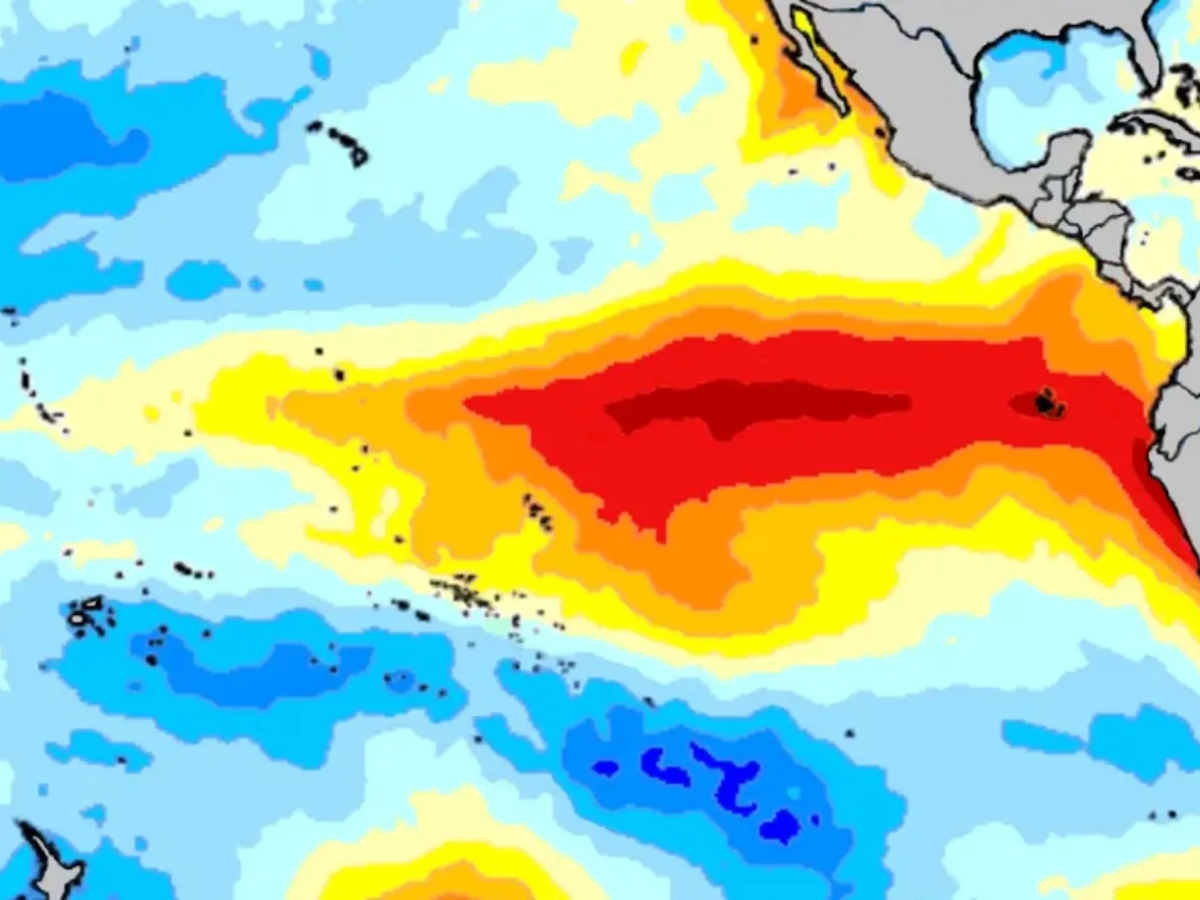
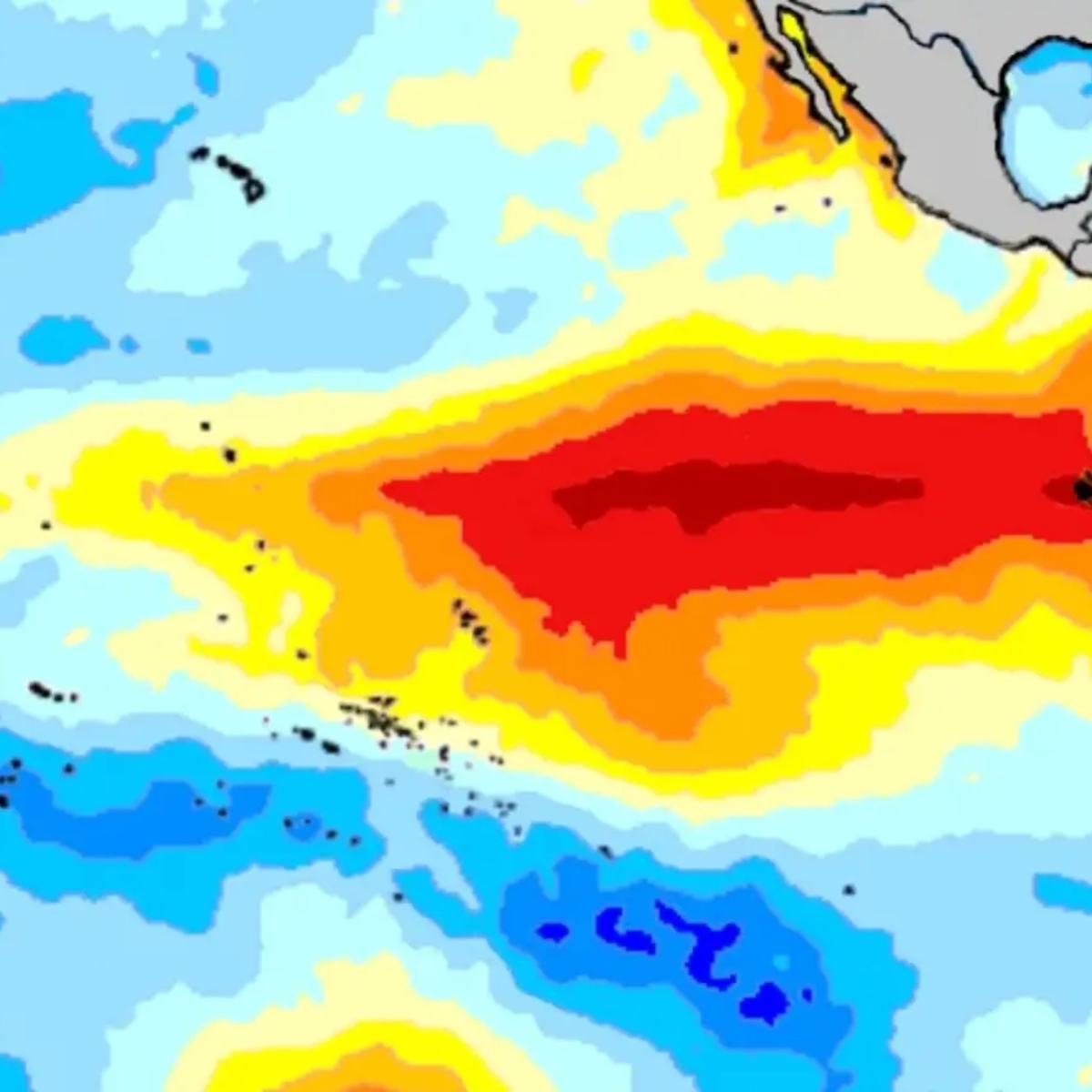
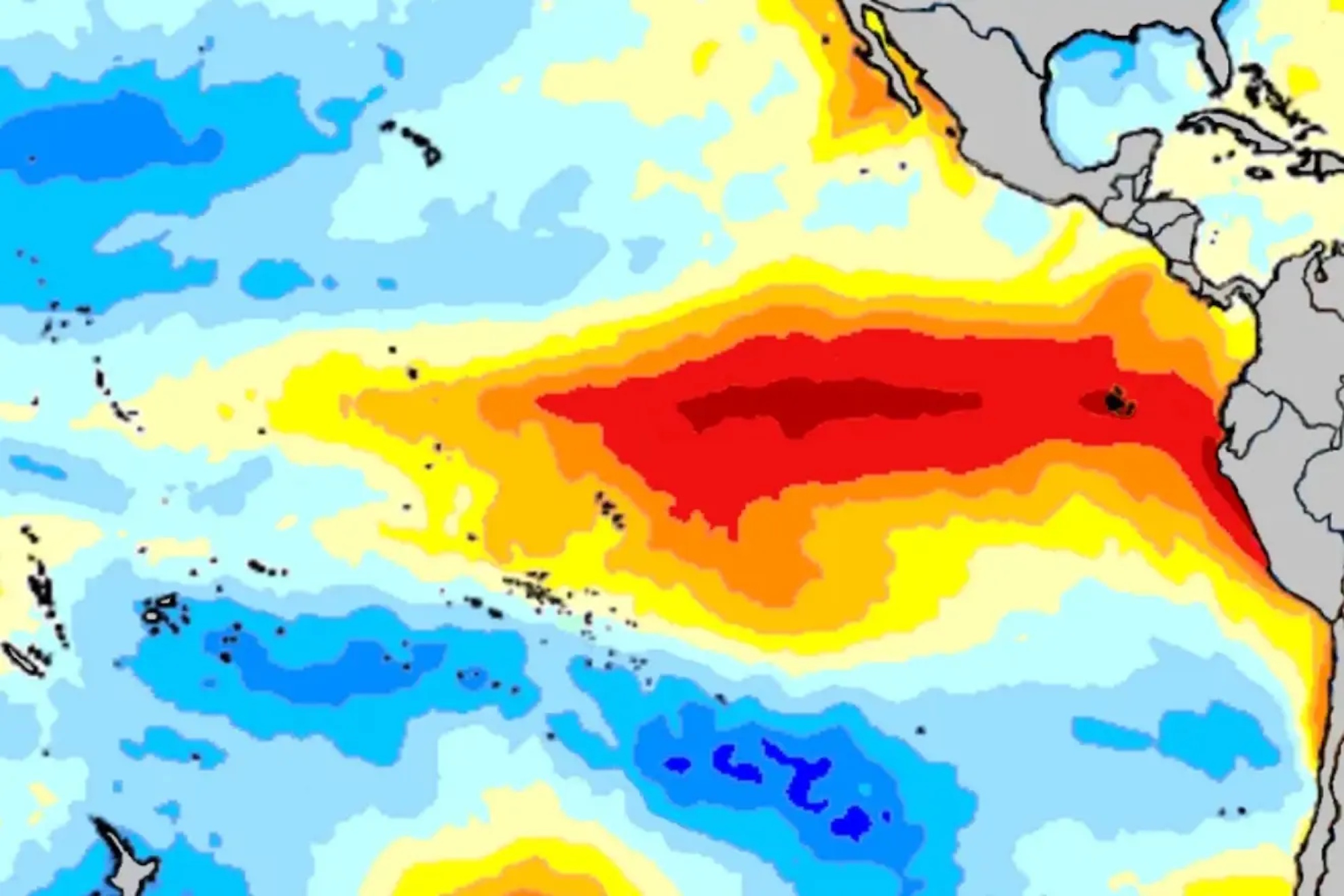
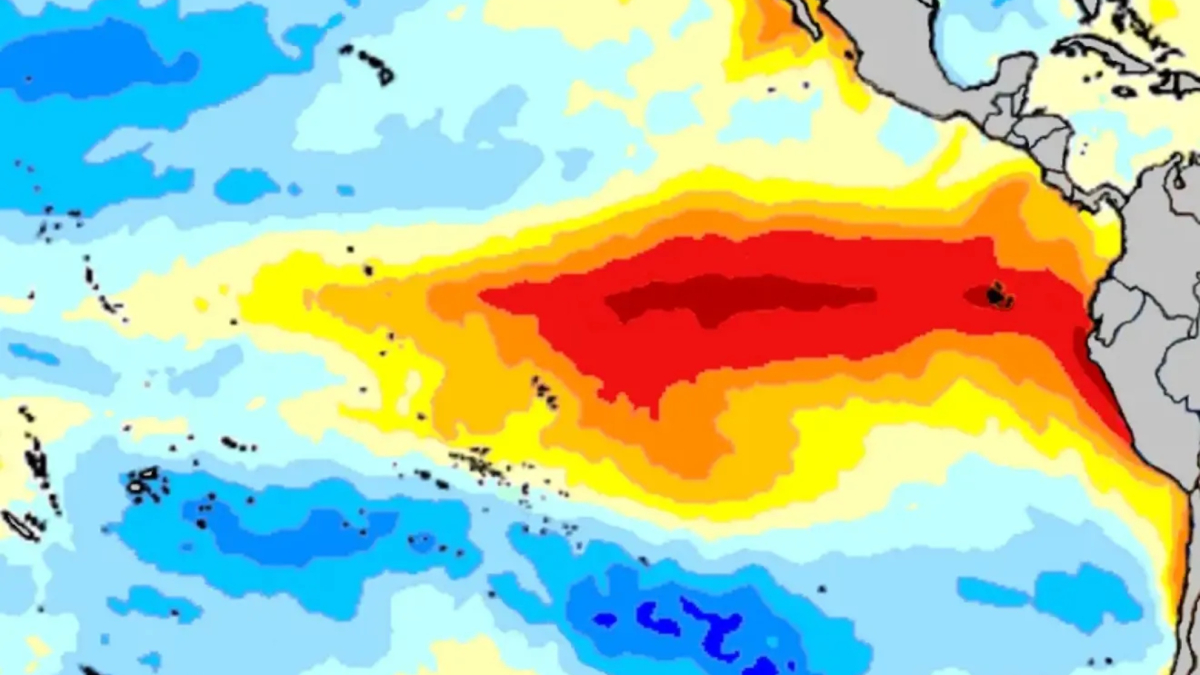
According to the national meteorological and hydrological service of Peru , based on images taken on September 30, a second heat wave has developed in recent weeks. A band of warm water can be seen extending from the coast of Ecuador and Peru .
In turn, the heat has spread along the coast of Chile and toward the southeastern Pacific , creating what appears to be a second arm branching off from the main mass of warm water.
'For that reason, experts in weather who analyze it daily and look at model statistics, the climate phenomenon is becoming the most intense of the last millennium. Scientists have warned that this year's "Super El Niño" has already broken historical temperature records , months before reaching its peak.'
This is corroborated by climatologist Zeke Hausfather , in statements reported by the Daily Mail. "I believe this year's El Niño phenomenon is probably the most intense in 1,000 years if the latest models predicting its peak turn out to be accurate" , he indicates.
"El Niño" is part of a natural weather cycle called the El Niño-Southern Oscillation, which alternates between a warm phase and a cold phase every two to seven years. During the warm phase of the cycle , the trade winds that normally carry warm water from the Pacific toward Australia slow down or even reverse direction.