NASA confirms it: the Moon is now smaller
A study determines that the radius of Earth's satellite is shrinking
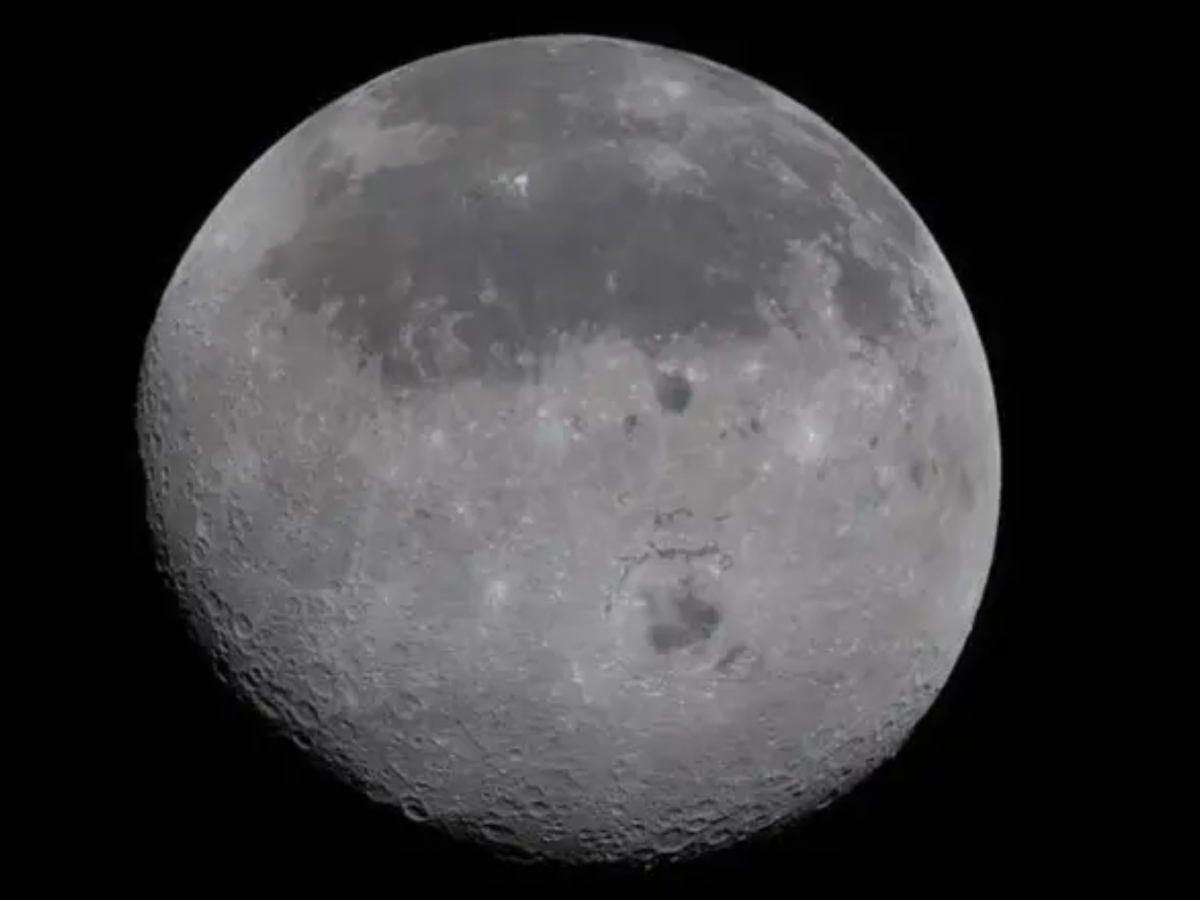
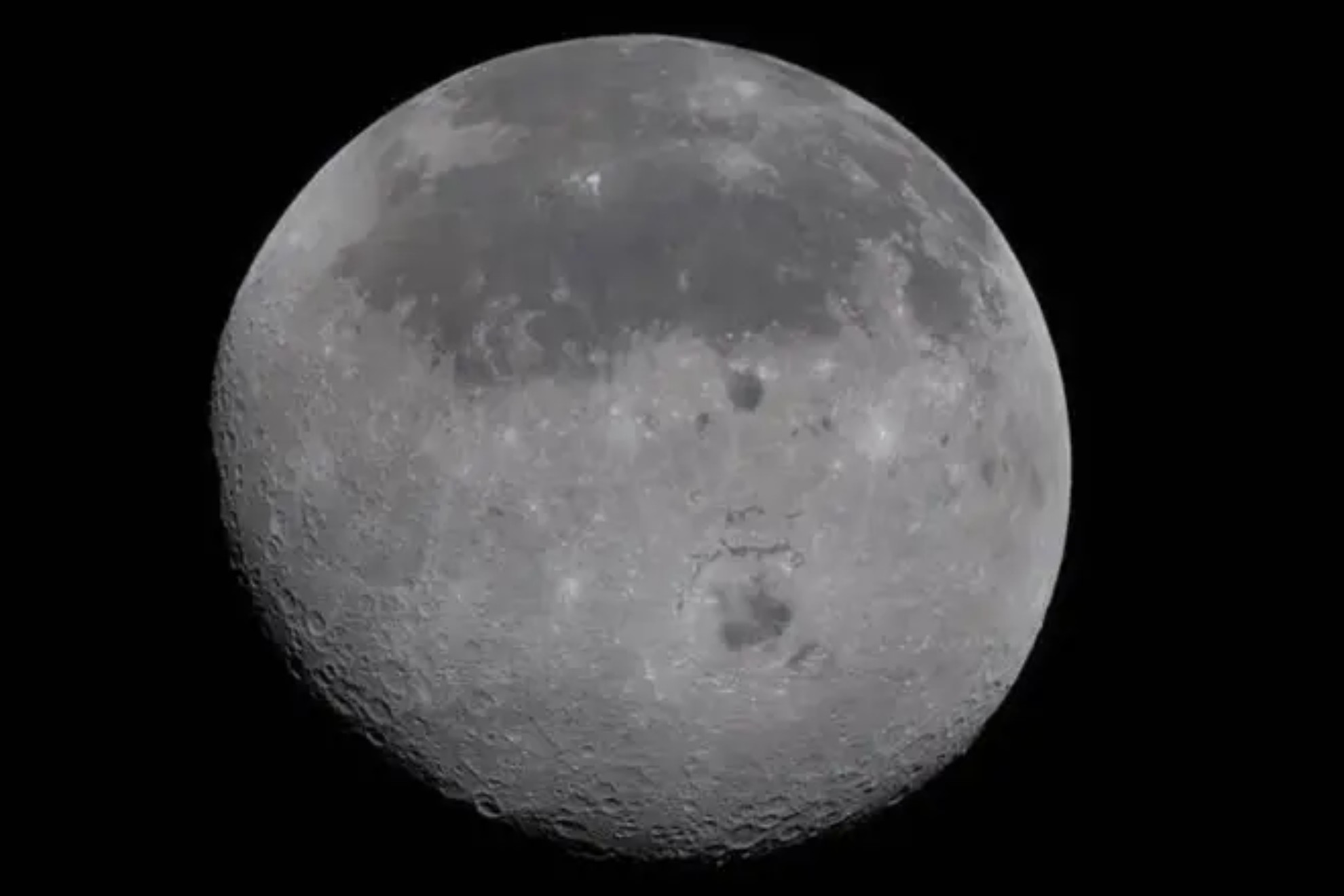
A study funded by NASA , and published in The Planetary Science Journal , has determined that the Moon's radius has decreased by about 45 meters . The scientists' analysis concluded that this reduction occurred over the last 400 to 800 million years . Every million years, according to the report's estimates, the Earth’s satellite’s radius would shrink by between 6 and 11 centimeters. In other words, 0.1 micrometers (0.0001 millimeters) per year .
Aside from this fact, the research funded by the U.S. space agency has identified more than 10,000 faults on the Moon as a result of studying images from the Lunar Reconnaissance Orbiter , in orbit since 2009. This finding could pose a setback for exploration of the satellite: NASA is considering establishing a lunar base with basic infrastructure in 2032 . Until then, efforts are focused on determining possible locations for the installation.
The large number of faults detected goes beyond mere scientific curiosity, as it could pose a setback for future crewed missions. The reason is that, unlike the Earth , with 15 major tectonic plates , the Moon has a single plate . This causes an earthquake, or a moonquake, to occur anywhere on the Earth's satellite. The scientists responsible for the study have been surprised
The NASA has divided its program into three phases. The first, from now until 2029 , focuses on exploring the lunar surface using robots. In the second stage, between 2029 and 2032 , the infrastructure for the future lunar base will begin to be deployed. From 2032 onward, NASA already expects to have a fully functional outpost where astronauts can live and work. Reaching the Moon is a first step toward possible missions to Mars .