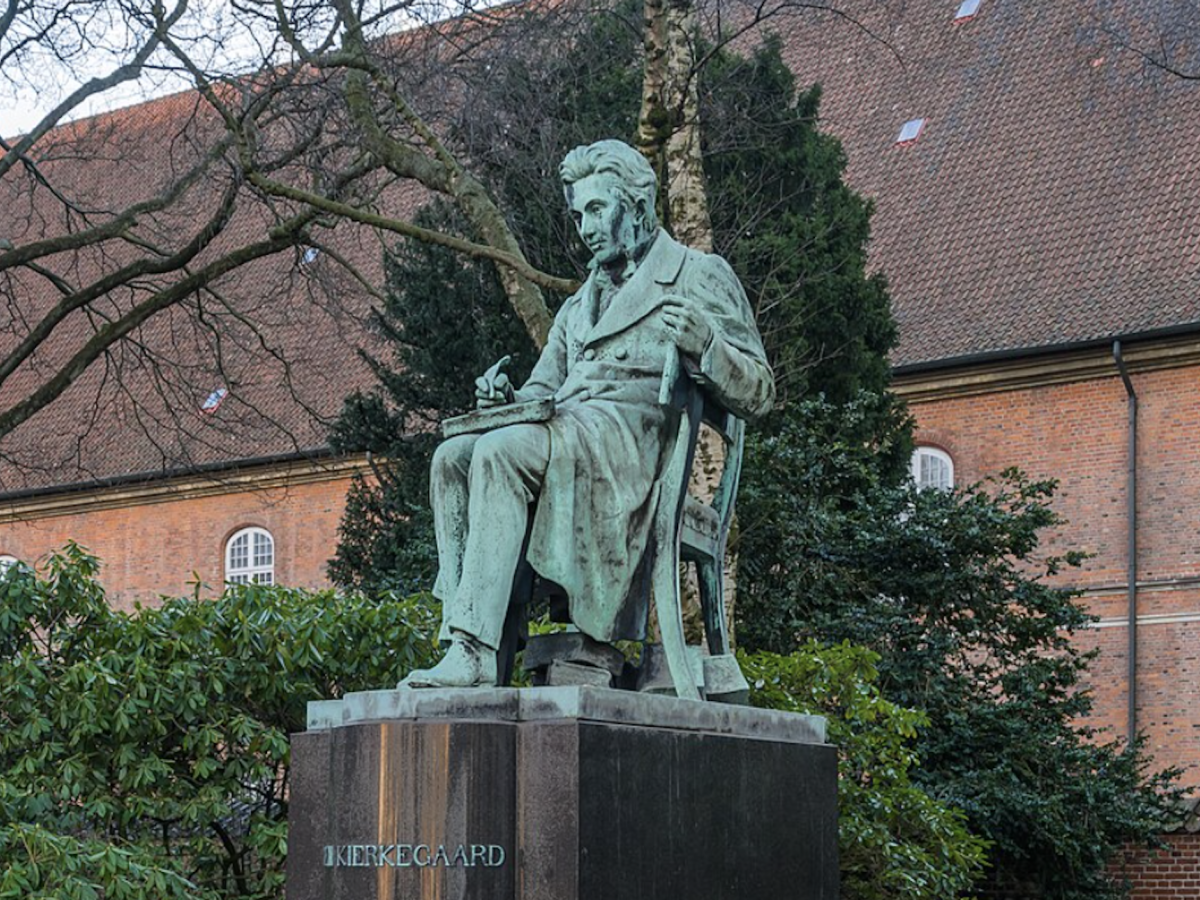
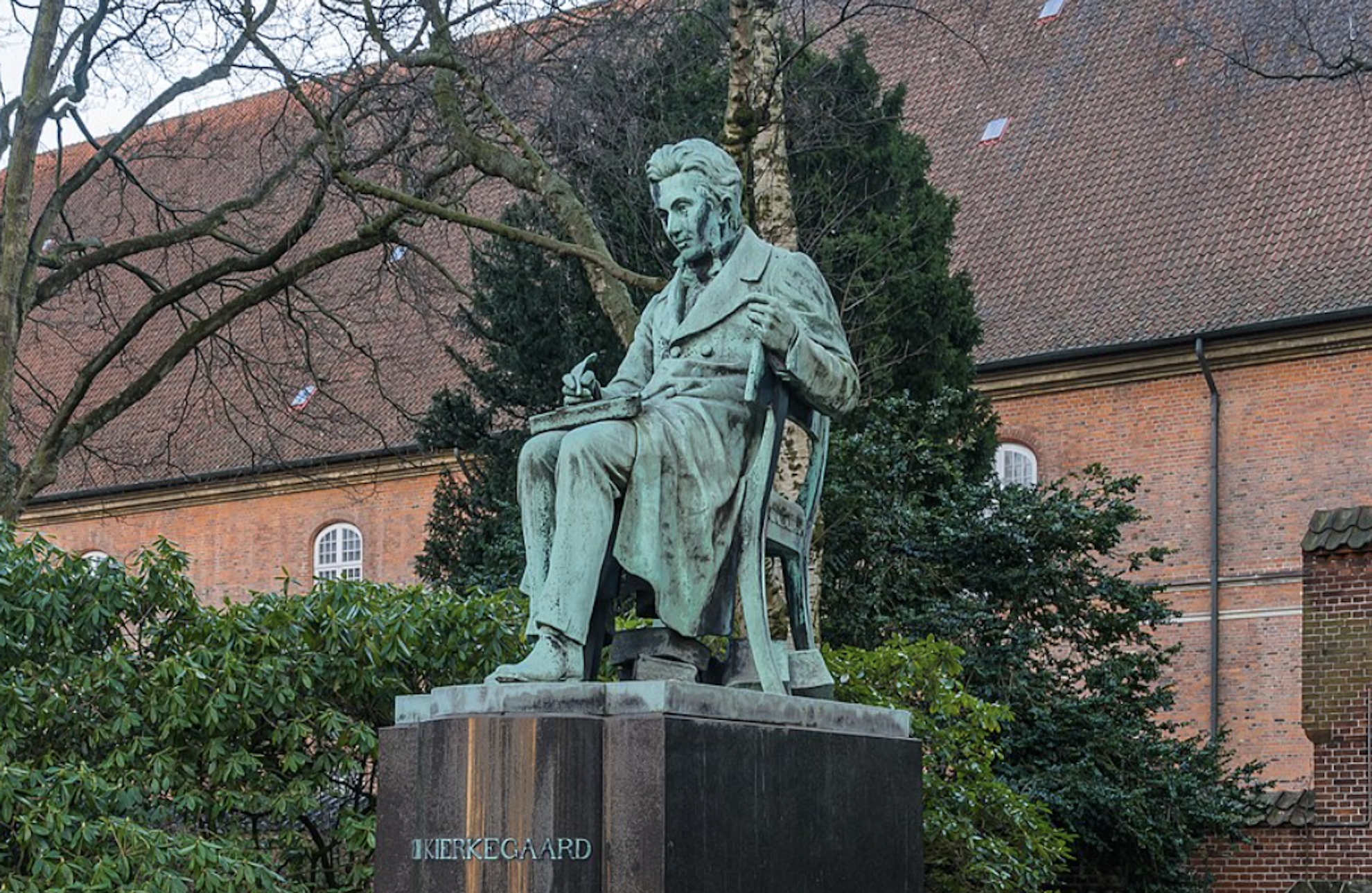
Søren Kierkegaard, Danish philosopher: "Life is not a problem to be solved, but a reality to be experienced"
The famous reflection encourages people to stop treating existence as a series of challenges to overcome and instead appreciate the experiences that make life meaningful

Life can often feel like an endless sequence of problems waiting to be fixed. People spend years making plans, pursuing ambitions and worrying about what comes next, sometimes forgetting to appreciate what is happening around them.
A widely circulated philosophical quotation offers a different perspective: "Life is not a problem to be solved, but a reality to be experienced."
The words are frequently associated with Søren Kierkegaard , the Danish philosopher whose work explored human existence, personal responsibility, faith and the difficulties of making meaningful choices.
Although the quotation captures ideas that are closely associated with his philosophy, there is an important detail behind its popularity: there is no reliable evidence that Kierkegaard actually wrote or said these exact words.
The wording appears to be a variation of a sentence published by Dutch writer and philosopher Jacobus Johannes van der Leeuw in his 1928 book The Conquest of Illusion. His original formulation was: "The mystery of life is not a problem to be solved; it is a reality to be experienced."
The distinction matters because the phrase has circulated under Kierkegaard's name for decades, appearing on quotation websites and in collections of inspirational sayings.
Nevertheless, its underlying message provides an interesting starting point for understanding the Danish philosopher's approach to existence.
Born in Copenhagen on May 5, 1813, Kierkegaard became one of the most influential thinkers of the 19th century. His writings challenged people to examine their beliefs, decisions and relationships with the world rather than simply accepting the expectations of society.
Why Kierkegaard believed individual experience mattered
Kierkegaard is frequently described as a founding figure of existentialism, a philosophical tradition concerned with individual existence, freedom and the responsibility people have for their choices.
One of his central concerns was the difference between understanding something intellectually and actually living through it. He questioned the idea that human existence could be explained entirely through abstract theories or universal systems.
For Kierkegaard , becoming an individual involved making personal decisions and accepting the uncertainty that accompanied them. People could not simply rely on other people's expectations to determine how they should live.
This perspective helps explain why the popular quotation feels consistent with his broader philosophy, even if its attribution is questionable.
His personal life also influenced his writing. Kierkegaard spent much of his life in Copenhagen and became particularly interested in questions surrounding faith, anxiety, love and the individual's relationship with God.
His relationship with Regine Olsen was especially significant. The couple became engaged in 1840, but Kierkegaard subsequently broke off the engagement. The experience continued to influence his reflections on commitment, sacrifice and personal responsibility.
Among his most important publications were Either/Or (1843), Fear and Trembling (1843) and The Concept of Anxiety (1844). These works examined different aspects of human decision-making and the emotional consequences of living with uncertainty.
The real author behind the famous quotation
The history of the quotation adds another dimension to its meaning. Van der Leeuw 's The Conquest of Illusion, published in 1928, contains the earlier version of the sentence, predating many of the later appearances that credited Kierkegaard .
Reference collections including Wikiquote have highlighted the disputed attribution, while the Stanford Encyclopedia of Philosophy provides a detailed account of Kierkegaard's actual philosophical contributions.
Ultimately, the quotation remains popular because its message is easy to recognise. Life cannot always be organised into neat objectives, and not every difficult experience has an immediate solution.
Its appeal lies in encouraging people to appreciate relationships, unexpected opportunities and ordinary moments instead of becoming consumed by what they have yet to achieve.
Kierkegaard died in Copenhagen on November 11, 1855, aged 42, but his influence on philosophy, theology and literature continues.
Whether readers encounter the famous sentence under his name or Van der Leeuw 's, its central idea remains relevant: existence is not simply something to manage or control. It is something to participate in, understand and experience.