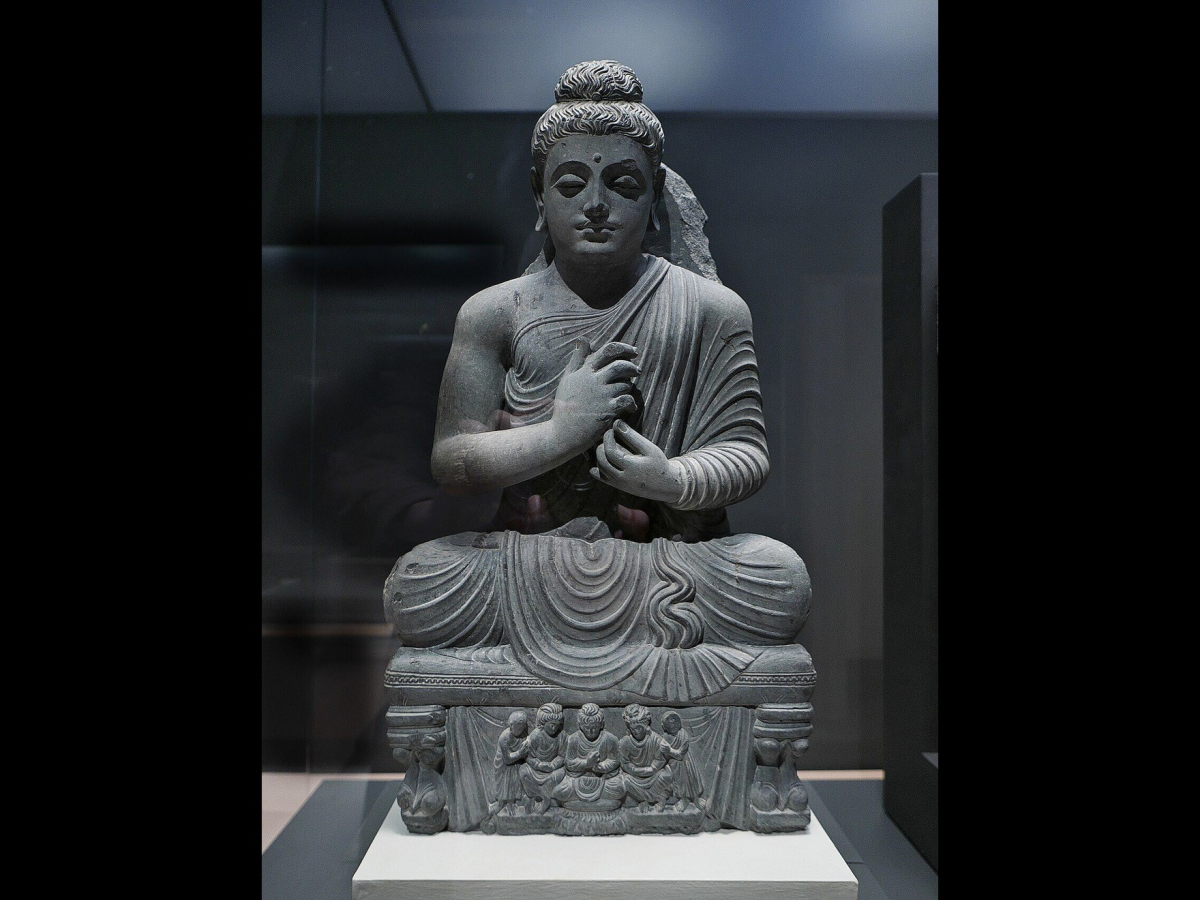
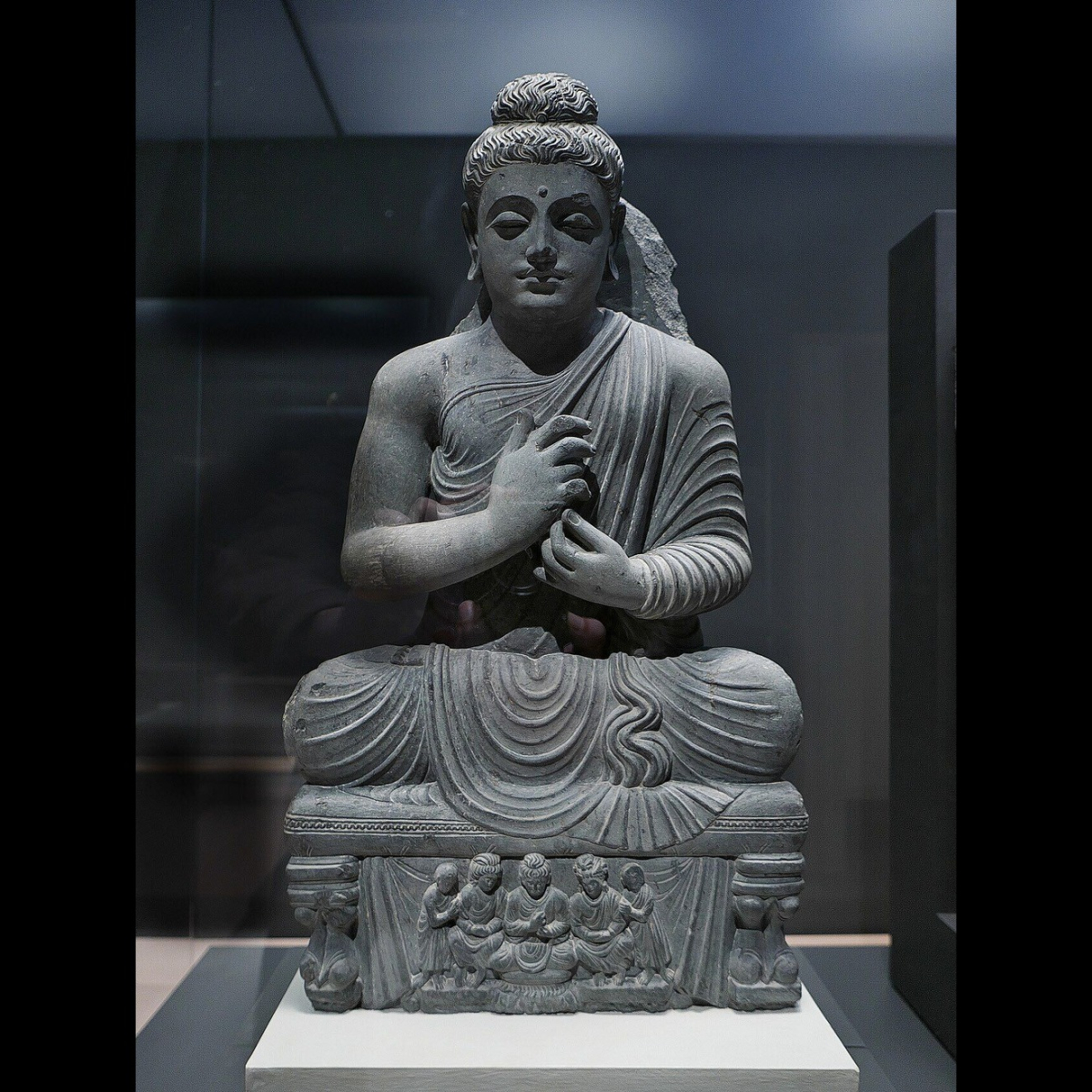
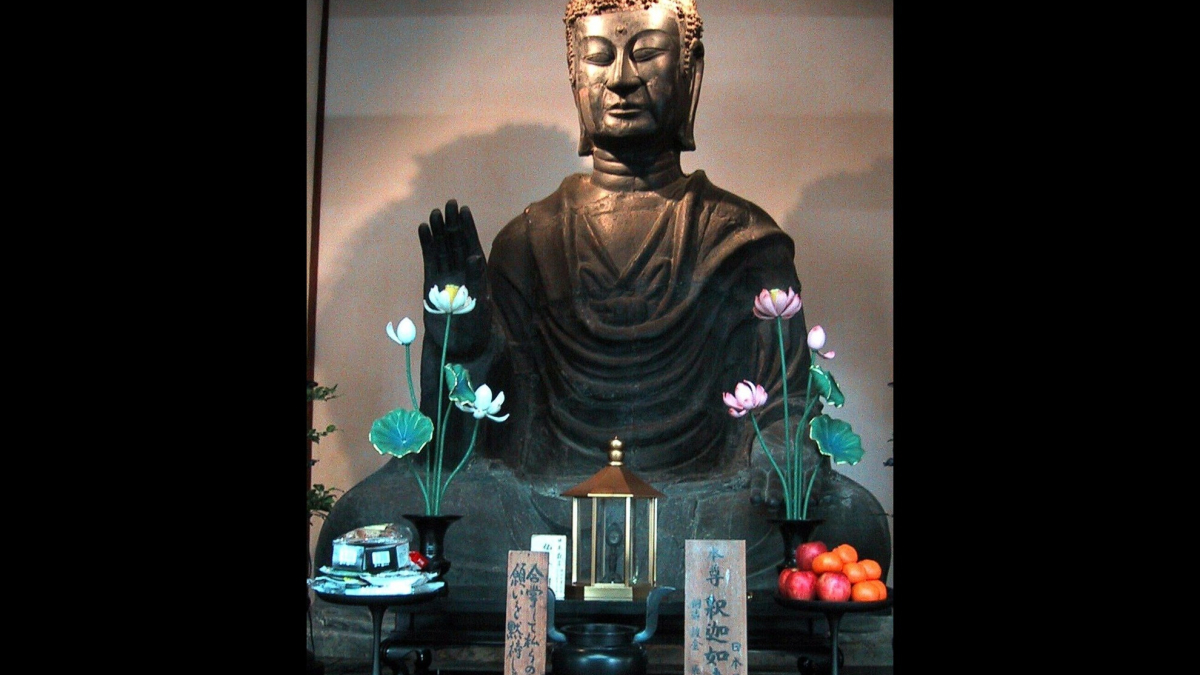
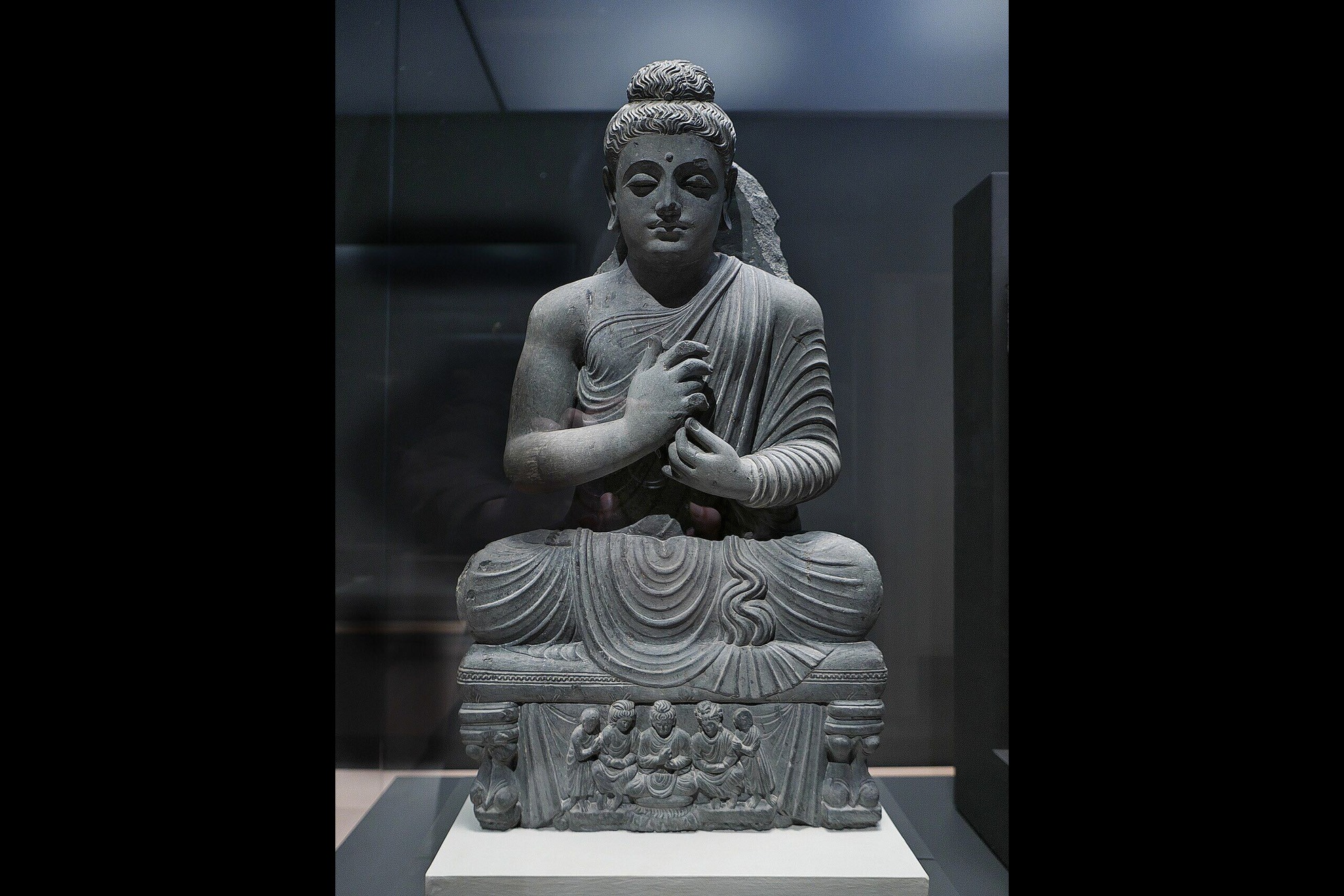
Buddha, religious philosopher: "No one saves us but ourselves. No one can and no one may. We ourselves must walk the path"
The Buddhist faith is based on the life of the Buddha, also known as Siddhartha Gautama
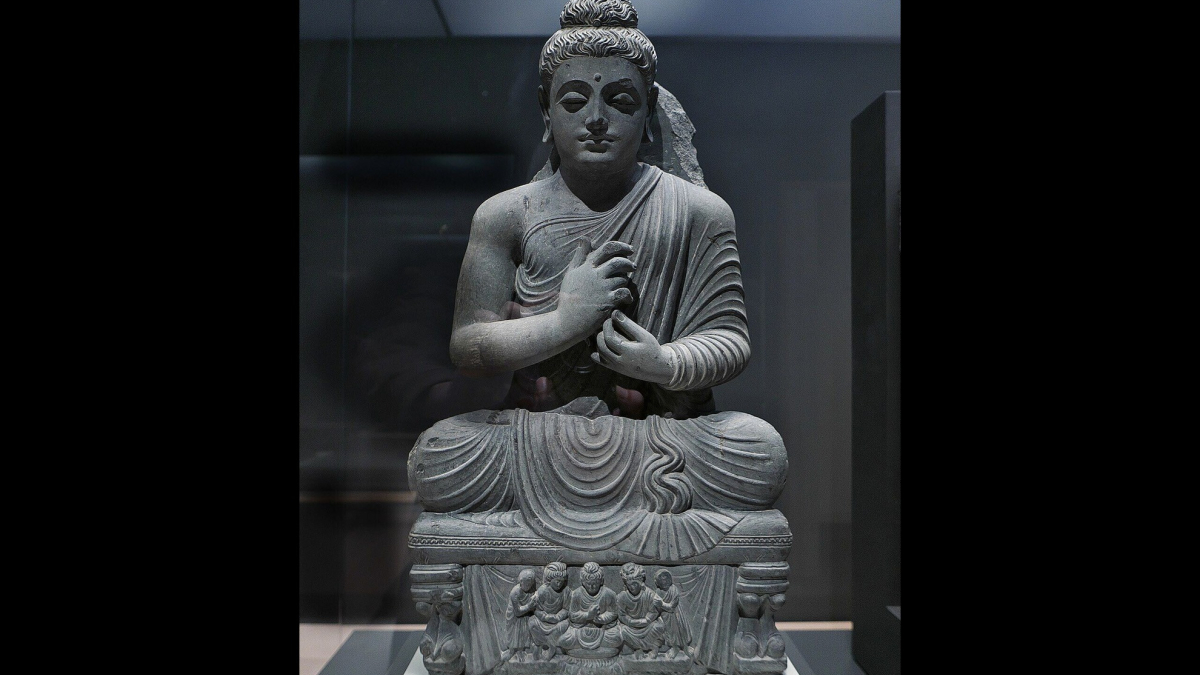
The Buddha 's philosophy begins with a demanding idea: meaningful change depends on the individual as his teachings examine the origins of suffering and how people can develop greater clarity through their choices, conduct and understanding. That outlook has shaped religious and philosophical traditions for more than two thousand years and although Buddhism emerged in a very different world, its questions about desire, hardship and the search for inner freedom remain familiar today.
One of the Buddha ’s best-known expression of personal responsibility appears in the words: "No one saves us but ourselves. No one can and no one may. We ourselves must walk the path." The message places transformation in each person's hands as known as Siddhartha Gautama before his awakening, the Buddha is traditionally believed to have lived in northern India in the fifth century BCE where suffering shaped his approach. Born at Lumbini , now in Nepal , he belonged to the Shakya clan and grew up in privilege with his father, Suddhodana , was a prominent ruler; Siddhartha married Yasodhara and they had a son, Rahula . But traditional accounts say four encounters, with age, illness, death and a wandering ascetic, led him to question worldly security and he left his privileged life to seek spiritual answers, studying with religious teachers and testing severe self-denial. He ultimately rejected both indulgence and extreme deprivation and adopted a balanced approach that became known as the Middle Way , Buddhist tradition says he attained enlightenment while meditating beneath a Bodhi tree at Bodh Gaya . Known thereafter as the Buddha , or awakened one, he spent the rest of his life sharing teachings about suffering and liberation.
Why the Buddha's quote remains relevant in modern society
The Four Noble Truths establish that suffering is part of life, that craving and attachment contribute to it, that it can cease, and that a path leads towards freedom as their message asks people to examine the causes of their distress. The Noble Eightfold Path sets out that route through right understanding, intention, speech, action, livelihood, effort, mindfulness and concentration. Impermanence and non-self also challenge attachment to changing circumstances and fixed identity. Nirvana means release from craving, ignorance and suffering, not a temporary feeling of happiness, and after the Buddha 's lifetime, his teachings spread beyond India, inspiring distinct traditions across Asia with a shared philosophical foundation. The quotation does not ask people to reject help. Friends, communities and professionals can offer vital support, but personal growth still requires participation. Treatment and encouragement can accompany individual effort and reflection. Social media comparison, professional setbacks and personal loss test how people understand their lives. The Buddha 's message is not that hardship is a personal failing, but that advice can show a direction while each person takes the steps.