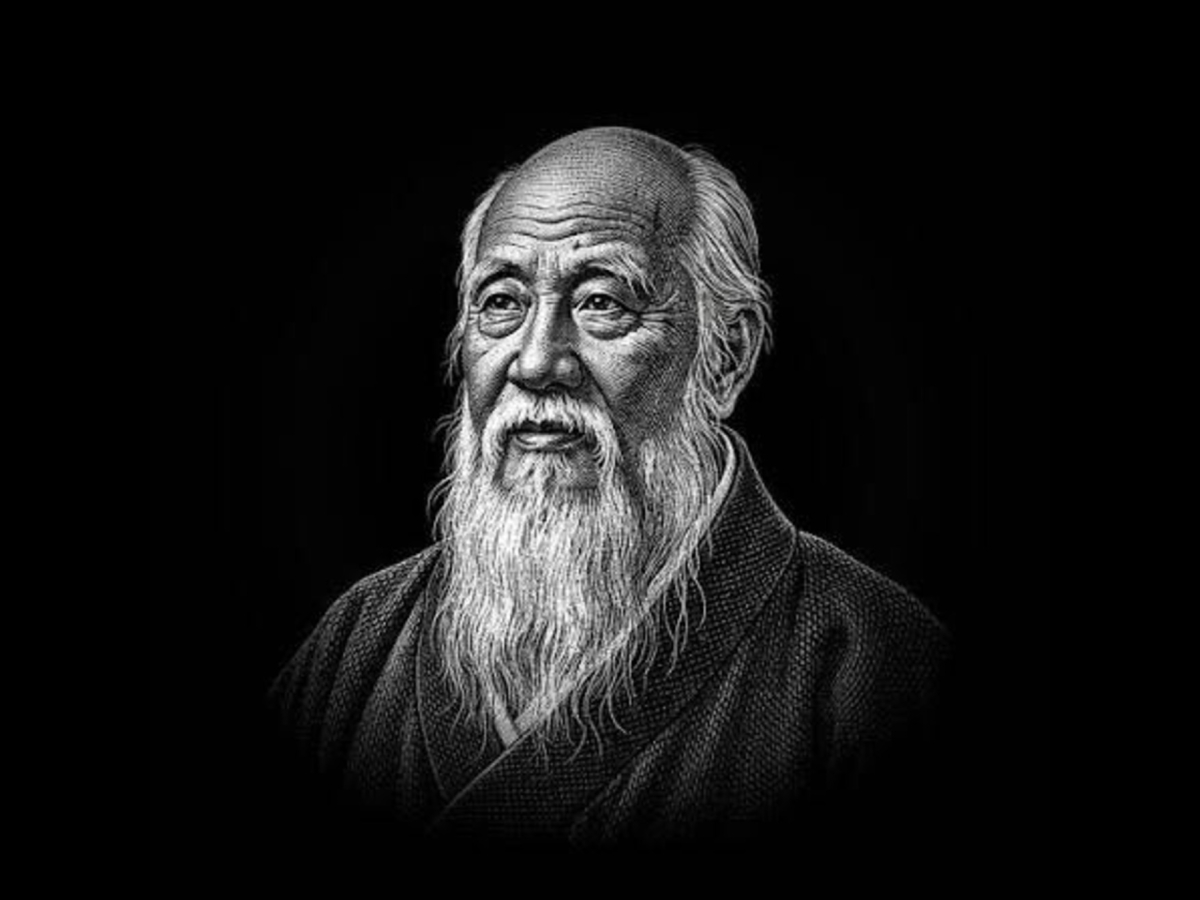
Lao Tzu, Chinese philosopher: "When you are content to be simply yourself and don't compare or compete, everyone will respect you"
Tzu is one of the most significant philosophers in the history of Taoism
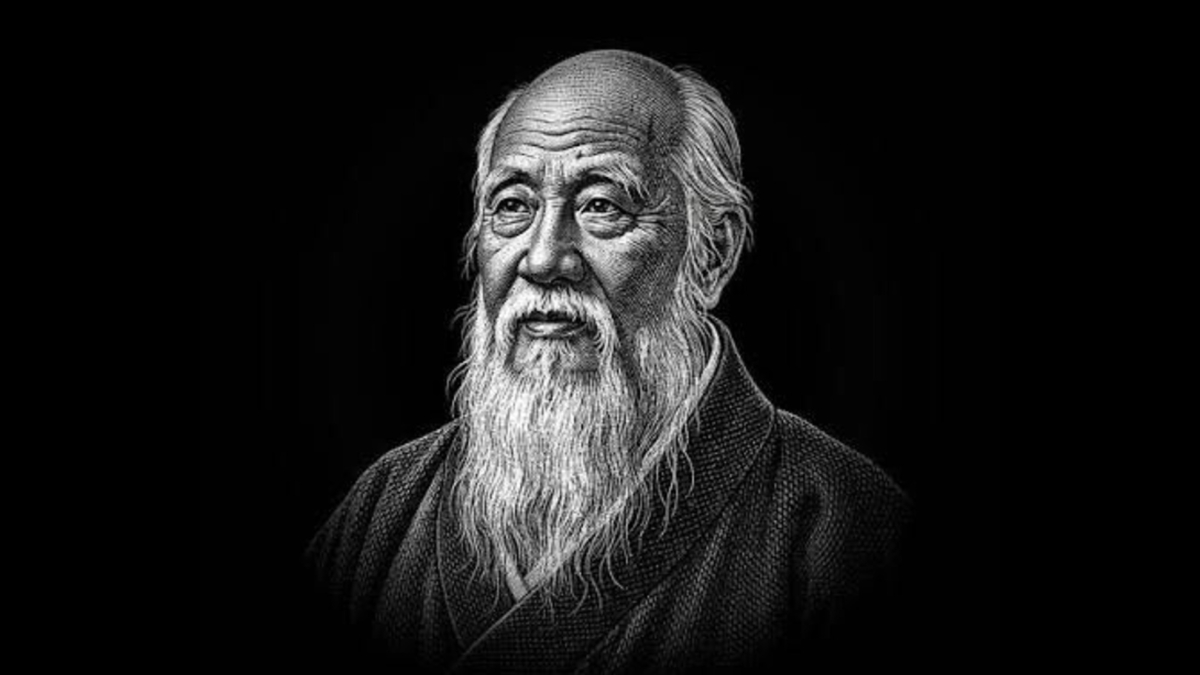
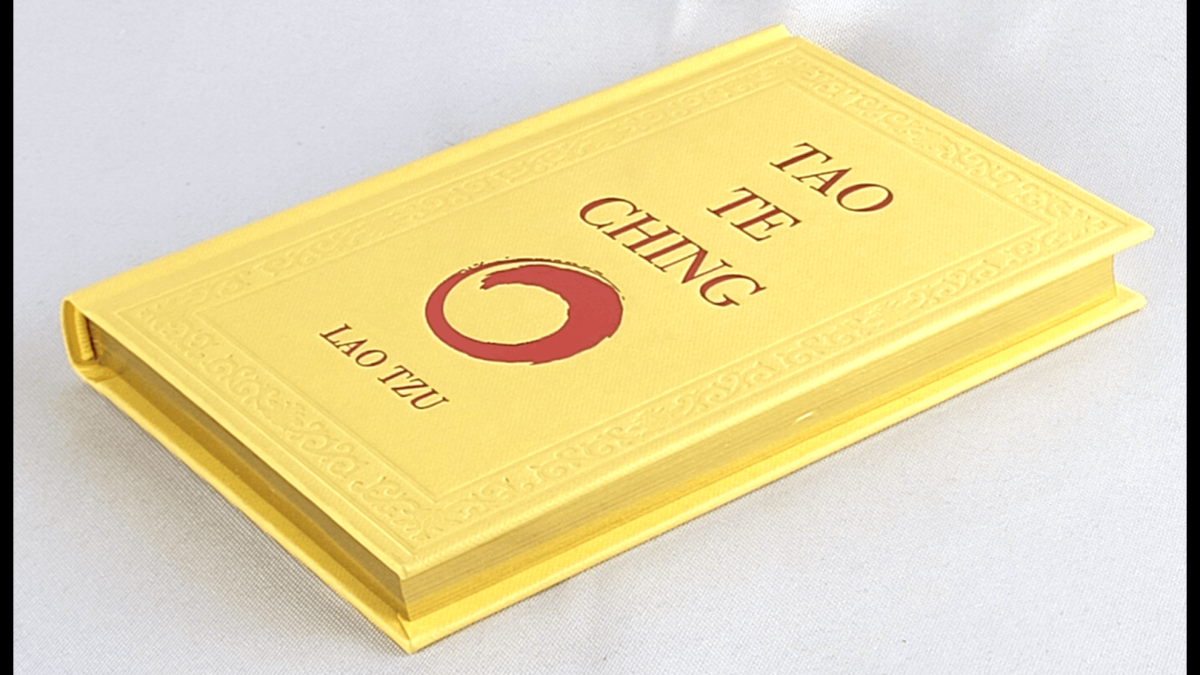
Lao Tzu , also known as Laozi , is traditionally regarded as the founder of Taoism and one of the most influential thinkers in Chinese philosophy as his teachings explored how people could find wisdom, balance and fulfilment by living in harmony with the natural world. Although historians continue to debate whether he was a single historical figure, Lao Tzu is credited with writing the Tao Te Ching , a collection of 81 chapters became a foundational work of Taoist thought, examining existence, leadership, human behavior and the meaning of a balanced life.
And one teaching attributed to Lao Tzu captures his belief in accepting oneself rather than chasing approval, "When you are content to be simply yourself and don't compare or compete, everyone will respect you.” Its message challenges the idea that personal worth depends on outperforming others as the statement begins with contentment, an idea central to Lao Tzu 's philosophy that recognizing that happiness does not have to depend on wealth, status or recognition. It requires understanding what genuinely matters. Comparison can make that difficult because it encourages people to measure their lives against someone else's achievements. There will always be another person with greater success, possessions or influence, but constantly chasing those standards can leave satisfaction permanently out of reach. Lao Tzu 's emphasis on simplicity offers a different perspective of rather than seeking more simply because others have it, people should recognize when they already have enough as his philosophy suggests that reducing unnecessary desires can create greater peace than pursuing endless rewards.
Why does Lao Tzu’s quote still matter hundreds of years later?
The reference to competition also reflects his teaching of wu wei , often translated as effortless action or non-action but this does not mean avoiding responsibility or refusing to make an effort - it means recognizing when struggle is unnecessary and responding without forcing outcomes. Under that principle, life does not need to become a constant contest as people can pursue their goals without treating every achievement by somebody else as a challenge to their own standing, thus patience and measured decisions can be more productive than rivalry. Lao Tzu frequently used nature to illustrate why gentleness should not be mistaken for weakness as he likens water to the human hubris, for example, adapts to its surroundings and does not fight every obstacle, yet its persistence can gradually overcome even the hardest surfaces. That image helps explain why being yourself does not require aggression or constant self-assertion. Someone who is secure in their own identity has less reason to dominate conversations, seek attention or diminish another person's accomplishments to feel important. The promise of respect in the quote is therefore connected to authenticity and humility. People who do not continually compete for recognition can demonstrate confidence without arrogance, while their willingness to accept others creates room for more genuine relationships. Ultimately, the message is not that ambition or achievement should be abandoned. It is that neither should determine a person's value.