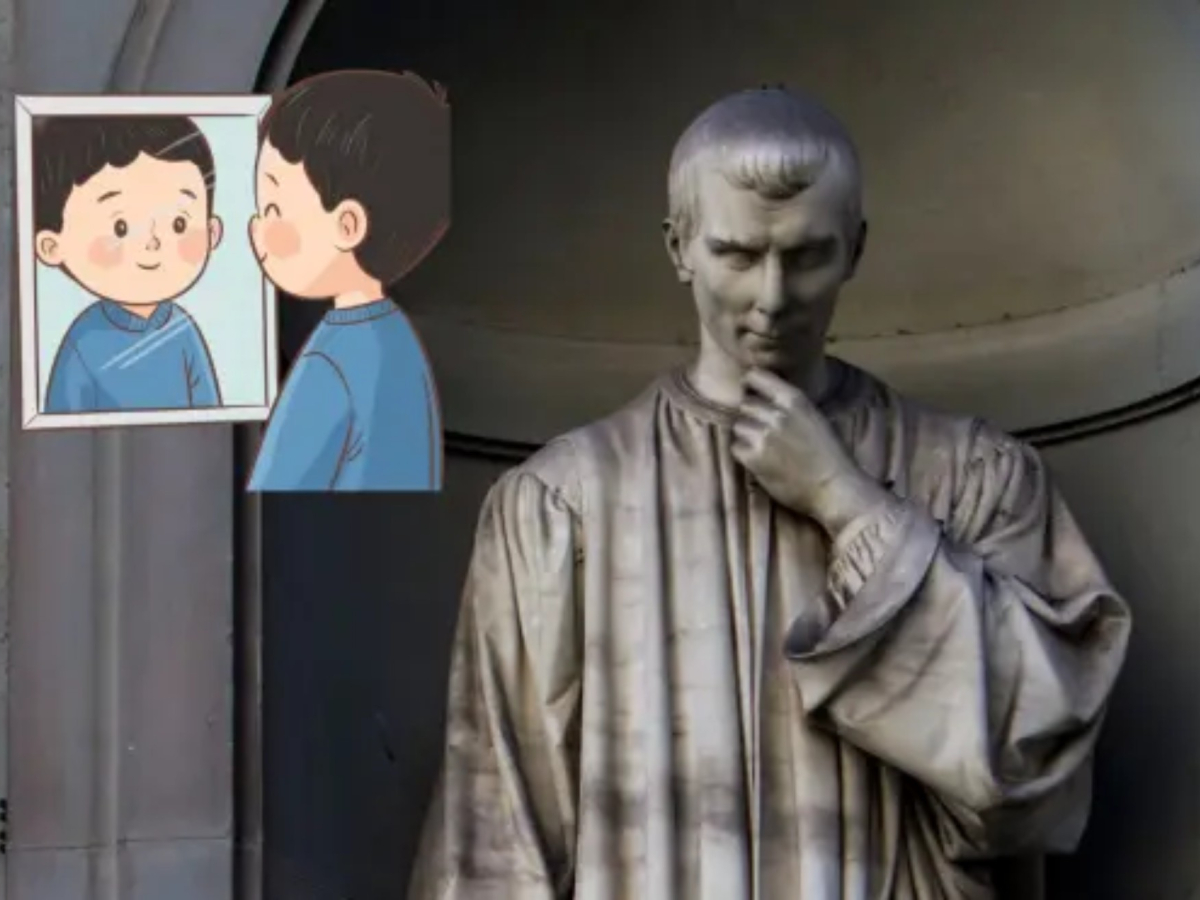
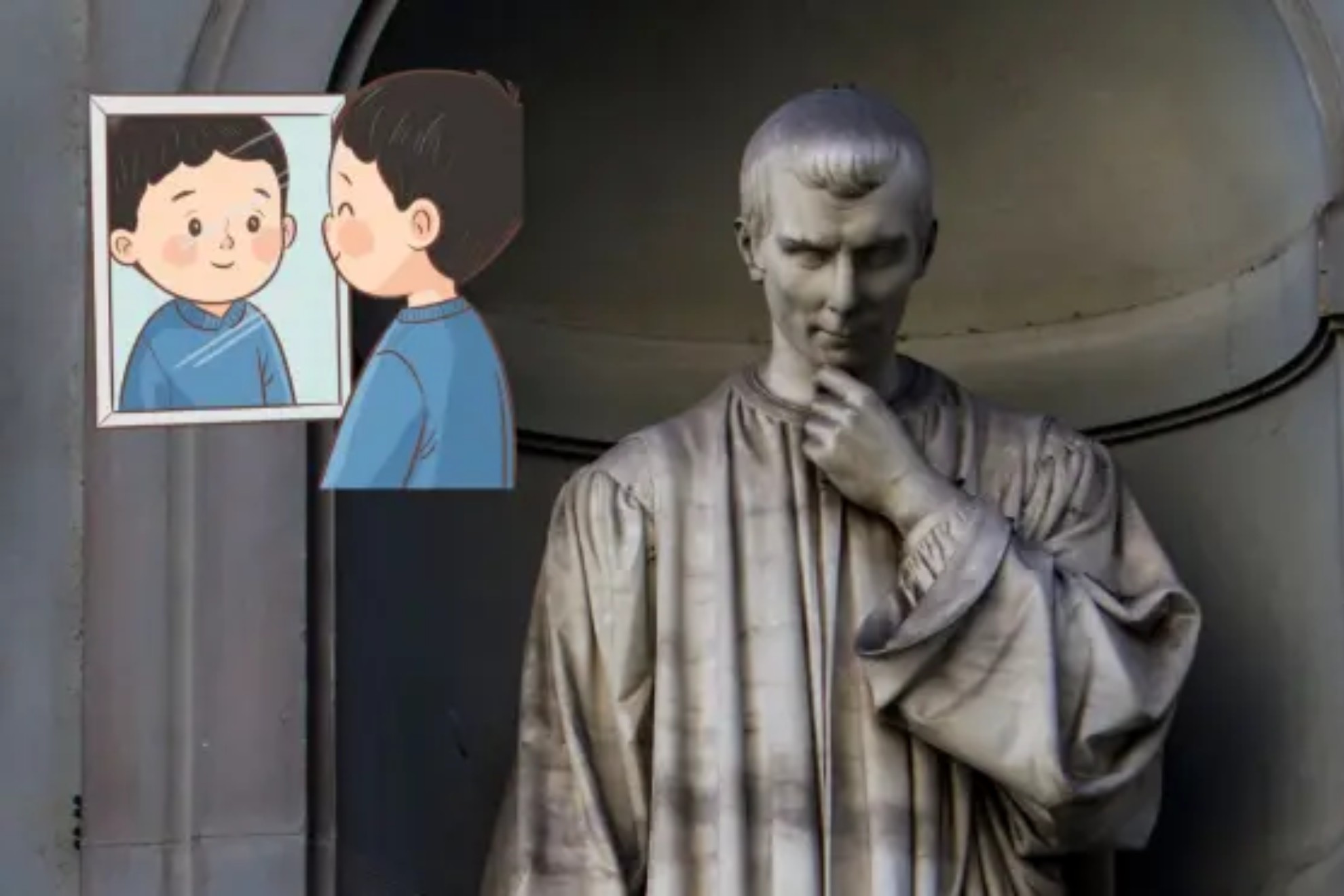
Machiavelli, political philosopher: “Everyone sees what you appear to be, few experience what you really are”
Nicolás Machiavelli's phrase was born as a reflection on power and public perception, but five centuries later it also speaks to everyday life.
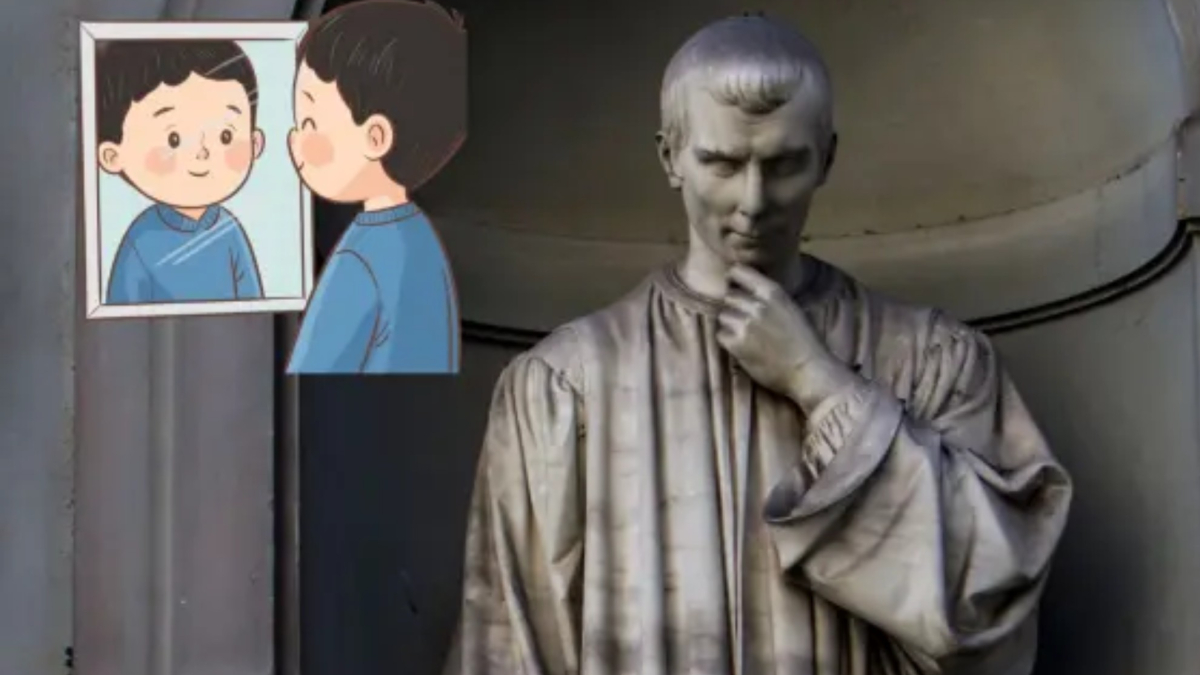
A person may be observed by hundreds and truly known by very few. Niccolò Machiavelli brought that contradiction into the political sphere more than 500 years ago with an idea that continues to circulate: “Everyone sees what you appear to be, few experience what you really are”. The phrase comes from chapter XVIII of The Prince , a work written around 1513 and published posthumously in 1532.
Although today it is often shared as a reflection on identity and authenticity, its original context was much more political. Machiavelli analyzed how a ruler could build his reputation because most people judged what they could observe, while only a few had enough access to know the reality behind that image.
What does Machiavelli's phrase about appearances and true identity mean?
Reflection contrasts appearance and reality. A person may project security, success, calm, or certain virtues , while their intimate experience is completely different.
However, Machiavelli did not originally write a modern lesson on self-esteem. In The Prince he explained that a ruler had to pay attention to how he was perceived because, for most people, public image was the main tool available to judge him.
The Italian version says “Ognuno vede quel che tu pari; pochi sentono quel che tu sei”. The translations vary between “know”, “feel” or “experience” what you really are.
Summary of Machiavelli's phrase
Theme: appearance, perception, and power
Original context: behavior and reputation of rulers" Context: "Society ... Machiavelli, diplomat: “Everyone sees what you appear to be, few experience what you really are” ... Niccolò Machiavelli's phrase was born as a reflection on power and public perception, but five centuries later it also speaks to everyday life. ... Topic: appearance, perception, and power
Why did Machiavelli consider public image so important in The Prince?
For Machiavelli , governing also implied managing perception. In the same passage, he explains that men judge mainly by what they see and that few can get close enough to know another reality.
The idea takes on a different dimension in the present. On social media, for example, carefully selected photographs, achievements, and moments can become the public version of a person. That does not mean everything is false, but rather that what is visible does not necessarily tell the whole story.
Who was Niccolò Machiavelli and why are his ideas still relevant?
Niccolò Machiavelli was born in Florence in 1469 and died in 1527. He was a diplomat, civil servant, writer, and political thinker. His experience within the Florentine Republic allowed him to observe negotiations, conflicts, and power struggles that later shaped his work.
In addition to The Prince , he wrote the Discourses on the First Decade of Titus Livy and The Art of War . His legacy endures because he examined politics through the real behavior of those who wield power.
And perhaps therein lies the power of this phrase: centuries later, we are still confronting the distance between how others see us, how we want to be seen, and who we are when the gaze of others disappears.