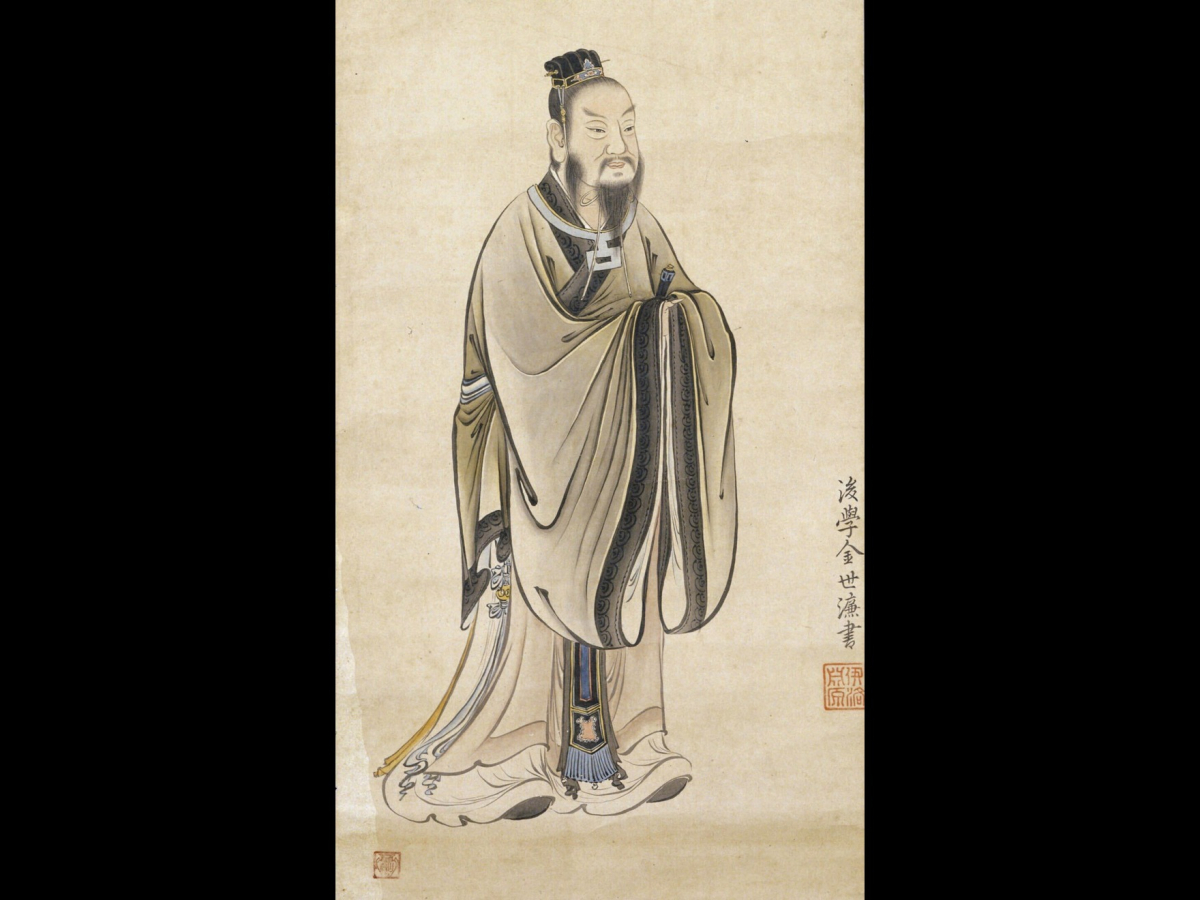
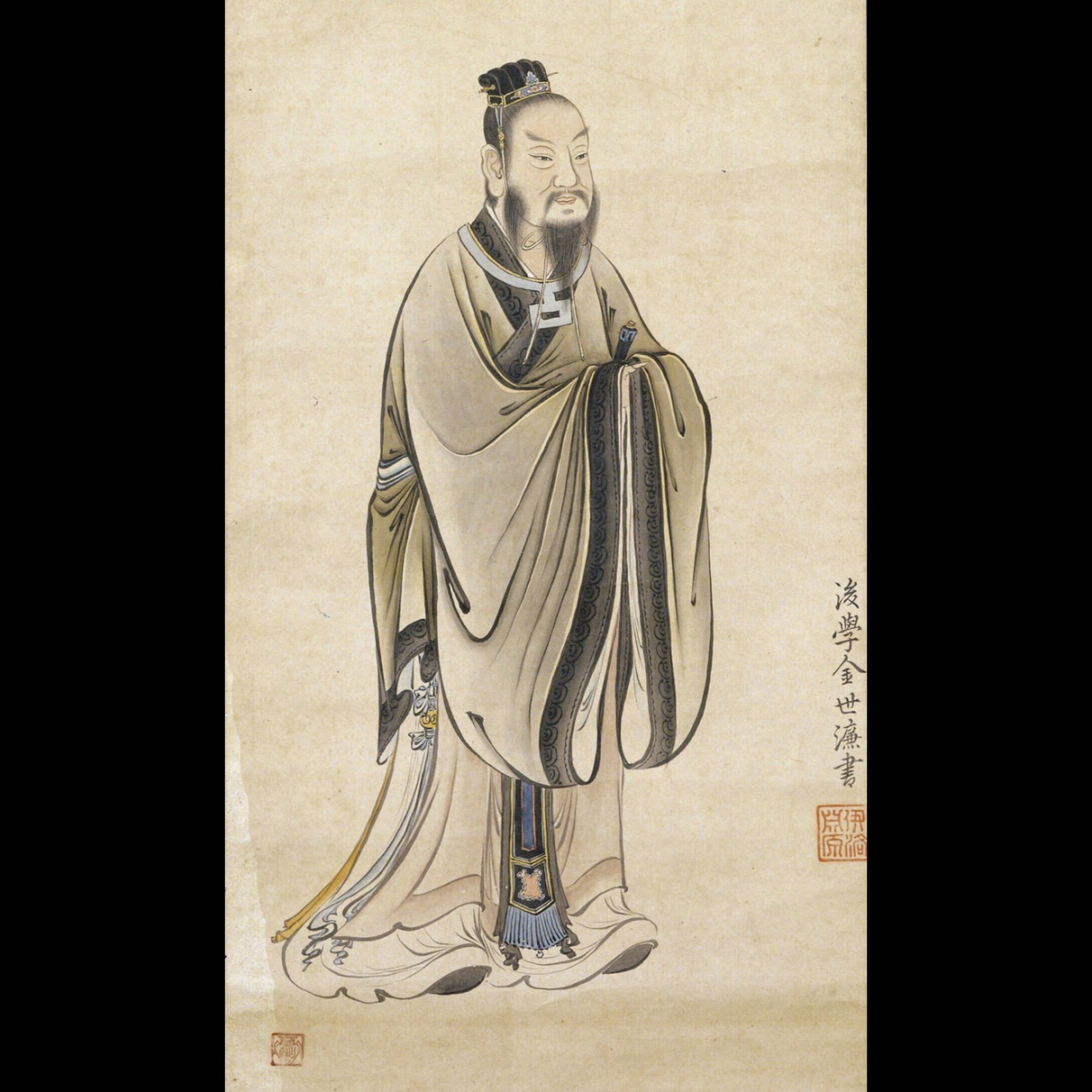
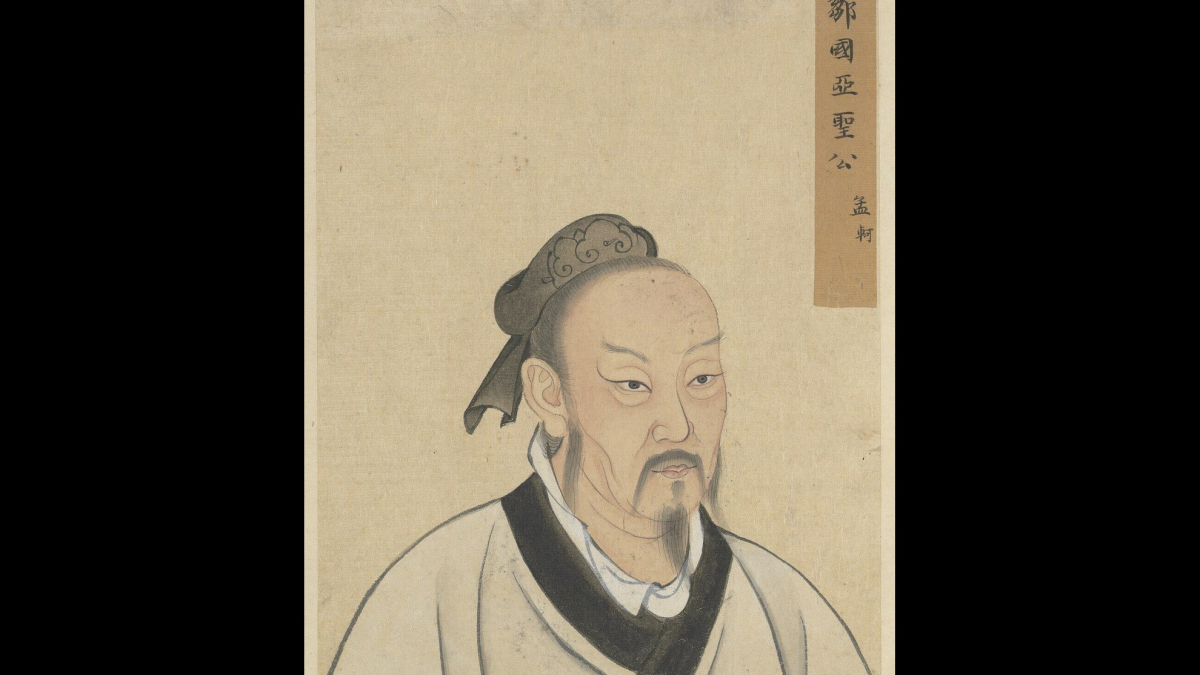
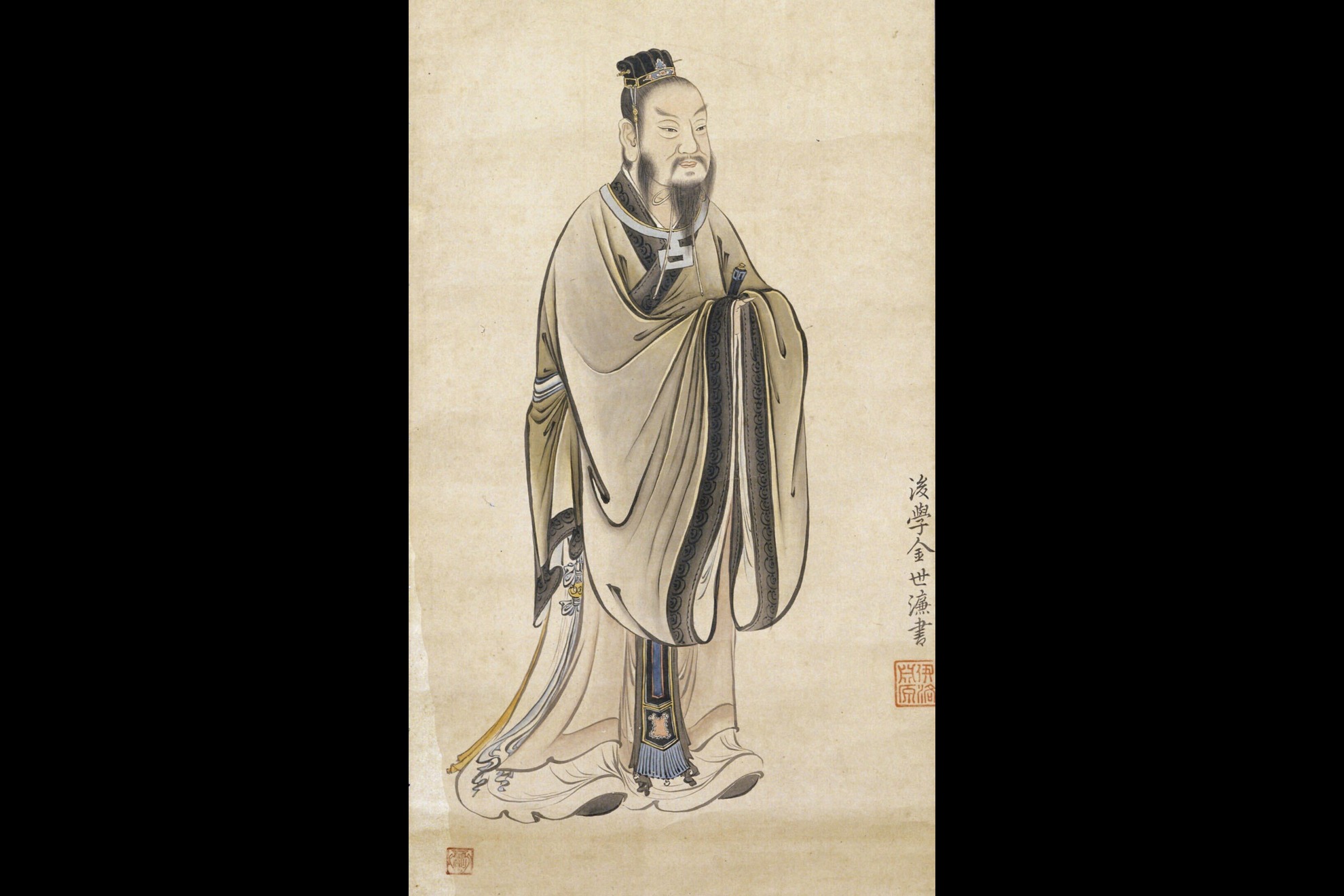
Mencius, Chinese philosopher: "Integrity, wisdom, skill, intelligence – such things are forged in adversity"
Mencius’ thoughts proved foundational to Confucian thought in China
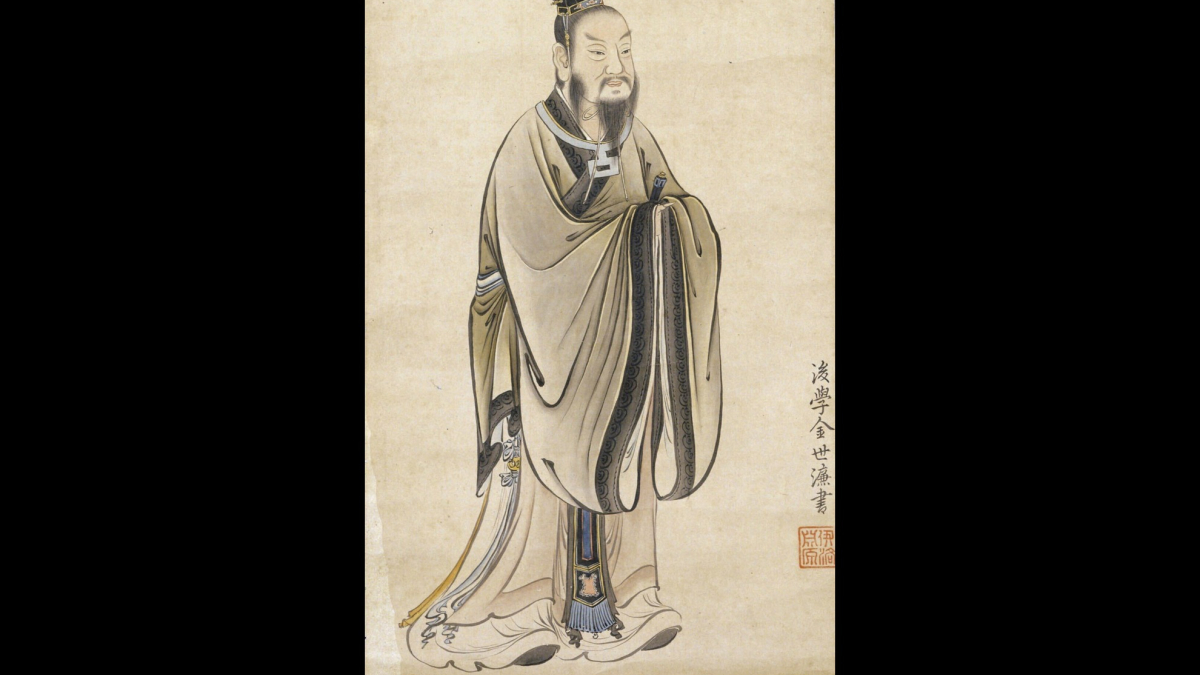
M encius was one of the most influential philosophers in Chinese history, best known for his belief that human beings possess an innate capacity for goodness as his teachings explored how character develops and why compassion, wisdom and moral discipline are essential to a stable society. Living around 372–289 BCE during China 's Warring States period, Mencius witnessed political instability, rival kingdoms and persistent warfare as he travelled between royal courts, urging rulers to protect ordinary people and govern through benevolence.
Cautioning against deploying the fear or military strength, Mencius ’ philosophy emphasized the relationship between hardship and personal development and through his words, "Integrity, wisdom, skill, intelligence – such things are forged in adversity.” The idea is that character requires more than natural ability, and people must cultivate their moral capacities through experience, reflection and sustained effort. Mencius argued that human beings possessed an innate capacity for goodness, although those qualities needed nurturing through education, reflection and experience. Difficult circumstances could test a person's principles and encourage growth, but hardship alone did not guarantee wisdom or virtue. He identified four beginnings of morality: compassion, which developed into benevolence; shame and aversion to wrongdoing, which formed righteousness; respect and deference, which developed into propriety; and the ability to distinguish right from wrong, which provided the foundation for wisdom. Mencius compared these qualities to young shoots that needed suitable conditions to flourish. People possessed the potential for goodness, but neglect, destructive circumstances and poor choices could prevent that potential from developing.
How Mencius connected adversity with moral development
Mencius ’ philosophy emphasized personal responsibility and the importance of an environment that allowed virtue to grow and his famous example of a child approaching a well-illustrated this belief. He reasoned that anyone witnessing the danger would instinctively experience alarm and compassion, demonstrating that the beginnings of morality existed within human beings rather than depending entirely on rewards or recognition. For Mencius , learning involved strengthening moral judgment, examining personal conduct and developing the discipline needed to act responsibly when confronted with difficult choices and his thoughts were so profound that even centuries later, Zhu Xi included the work among the Four Books that became central to Confucian idea. Mencius 's lasting contribution was his conviction that people could develop their moral potential. He also recognized that poverty and insecurity could obstruct that process, making it essential for governments to protect livelihoods and create conditions in which people could flourish.