Nelson Mandela, politician and philanthropist: "I learned that courage was not the absence of fear, but the triumph over it"
Mandela is best known for his fight against racism in South Africa
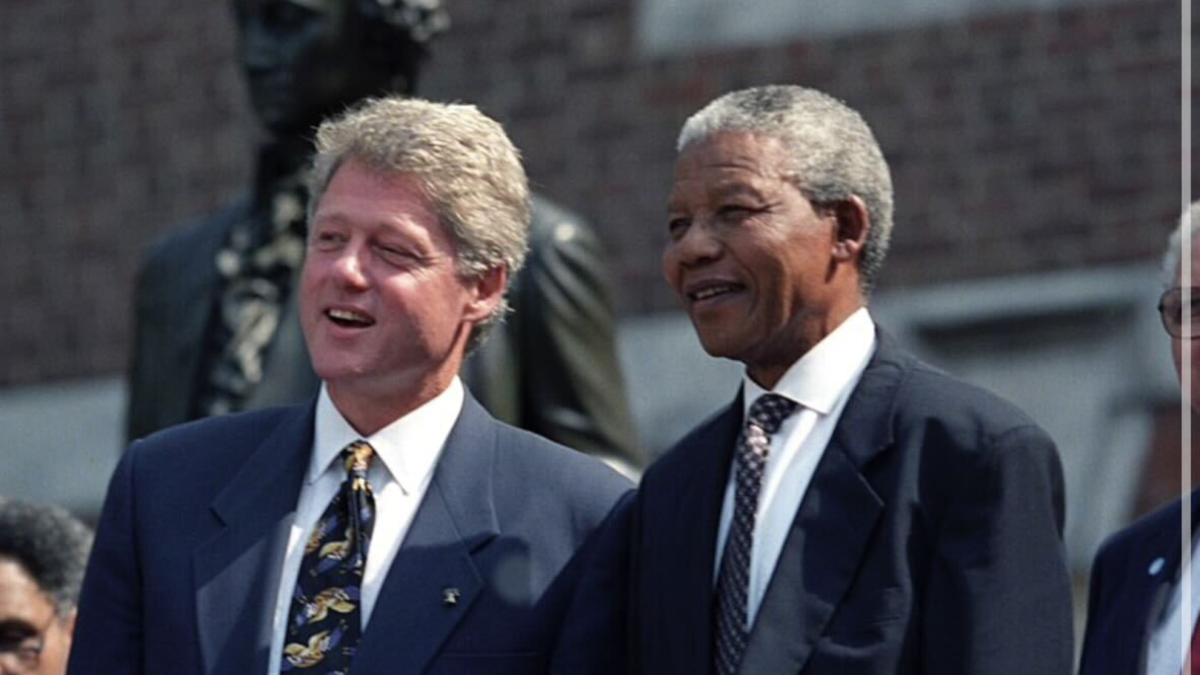
Nelson Mandela ’s life was defined by a struggle that took him from challenging South Africa ’s apartheid regime to becoming the country’s first black president and a pivotal force in breaking the systemic racism of the nation. His journey through imprisonment, political negotiations and national reconciliation shaped a legacy that extended far beyond his time in office.
Born on July 18, 1918, in Mvezo , South Africa , Mandela grew up under a system of racial discrimination that denied black citizens equal rights and decided he had to act, creating a journey shaping a legacy that extended far beyond his time in office. Mandela ensured imprisonment and came out on the other side with the fire still in his heart, engaging political negotiations that brought apartheid to an end and helped drive national reconciliation as the nation found its footsteps outside the control of the British Empire . Mandela trained as a lawyer in his early years and later joined the African National Congress and dedicated himself to challenging white-minority rule, accepting considerable personal risks and his experience is captured in the words, “I learned that courage was not the absence of fear, but the triumph over it.” The quote reflects his willingness to continue pursuing equality despite imprisonment, political repression and the uncertainty surrounding South Africa ’s future.
How Mandela’s courage shaped his legacy
Mandela was not always a peaceful negotiator, however, as he helped establish the ANC ’s armed wing after years of resistance to apartheid failed to secure meaningful change – and in 1964, he was convicted of sabotage and sentenced to life imprisonment. Beginning a 27-year ordeal that turned him into an international symbol of the fight for racial equality, much of his imprisonment was spent on Robben Island , separated from his family and denied freedom while opposition to apartheid continued. His confinement did not end his influence, though, and growing international pressure helped make his release in 1990 a pivotal moment in South Africa ’s transition, creating his legacy also rests on what followed: rather than pursue revenge after decades of injustice. Mandela entered negotiations with President F.W. de Klerk to dismantle apartheid and establish a democratic political system and the efforts earned him the Nobel Peace Prize in 1993. The following year, he became South Africa ’s first black president after the country held its first democratic election open to all races. As president, Mandela sought to rebuild a society divided by institutionalized racism and encourage peaceful coexistence and served one term before stepping down in 1999 to continue supporting humanitarian causes around the world and across Africa , championing education, public health and efforts to address poverty and HIV/AIDS. Through initiatives including the Nelson Mandela Foundation , he remained involved in promoting human rights and improving lives beyond South Africa until he died on December 5, 2013, aged 95. His words about courage continue to frame his legacy because they connect personal sacrifice with political change: he endured imprisonment, helped negotiate an end to apartheid and pursued reconciliation rather than revenge.