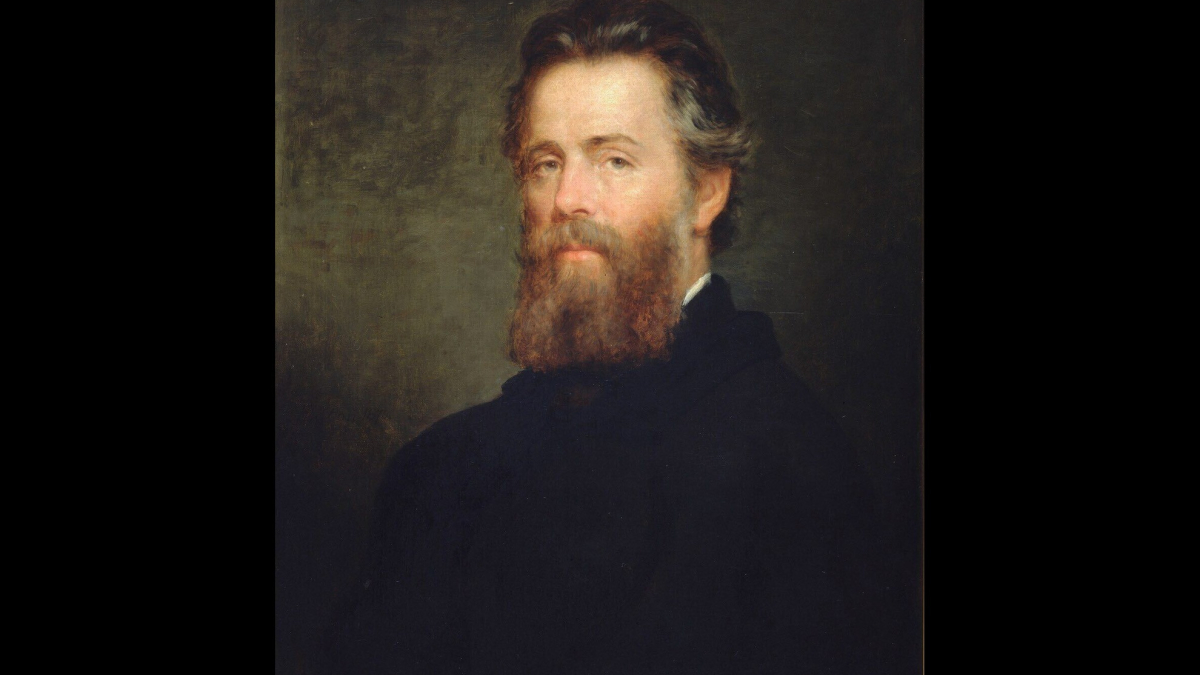
Plato, philosopher: “Wise men speak because they have something to say; fools because they have to say something”
We tell you more about this reflection by Plato.

In an era marked by the enormous amount of information circulating every day, knowing when to speak and when not to can be an important skill. The phrase attributed to Plato, “Wise men speak because they have something to say; fools because they have to say something” , invites us to reflect on the importance of thinking before expressing an opinion and on the difference between speaking with knowledge and doing so solely out of the need to participate in a conversation.
The thought of the Greek philosopher remains relevant centuries after his death. The phrase suggests that the quality of words may be more important than the number of times a person speaks in a conversation. From this perspective, speaking with purpose implies having something to contribute, while speaking merely to fill a silence can lead to poorly thought-out comments.
Therefore, at MARCA MX we will tell you more about this reflection by Plato , which continues to resonate to this day.
What does this phrase by Plato mean?
The phrase attributed to Plato means that a wise person makes sure their words have a purpose, while someone who speaks without reflecting may do so simply because they feel the need to voice an opinion. The message emphasizes prudence, knowledge, and the ability to think before speaking.
The first part, “wise men speak because they have something to say,” can be interpreted as a defense of words that add value. A person may speak to share knowledge, explain an experience, solve a problem, or express an opinion after having reflected on the subject.
On the contrary, “fools because they have to say something” represents the tendency to speak just for the sake of speaking. This can happen when someone feels they must participate constantly, even when they do not have enough information or when their comment adds nothing to the conversation.
The phrase can also be related to the importance of listening . Keeping silent does not necessarily mean a lack of knowledge or opinions. In certain situations, listening, analyzing, and waiting before responding can be a sign of prudence. A person who listens carefully can better understand a situation and later offer a more useful response.
Plato was a Greek philosopher born around 427 BC and died around 347 BC in Athens. He is considered one of the most influential thinkers in Western philosophy and was a disciple of Socrates, as well as the teacher of Aristotle.
Much of what is known about Plato's thought is found in his philosophical dialogues . In these works, he used conversations between different characters to analyze questions related to justice, politics, education, knowledge, virtue, love, and the nature of reality.
Among his best-known works is The Republic , a dialogue in which he reflects on justice, education, and the organization of an ideal society. He also wrote Symposium, Phaedo, Apology of Socrates, and Timaeus, among other works.