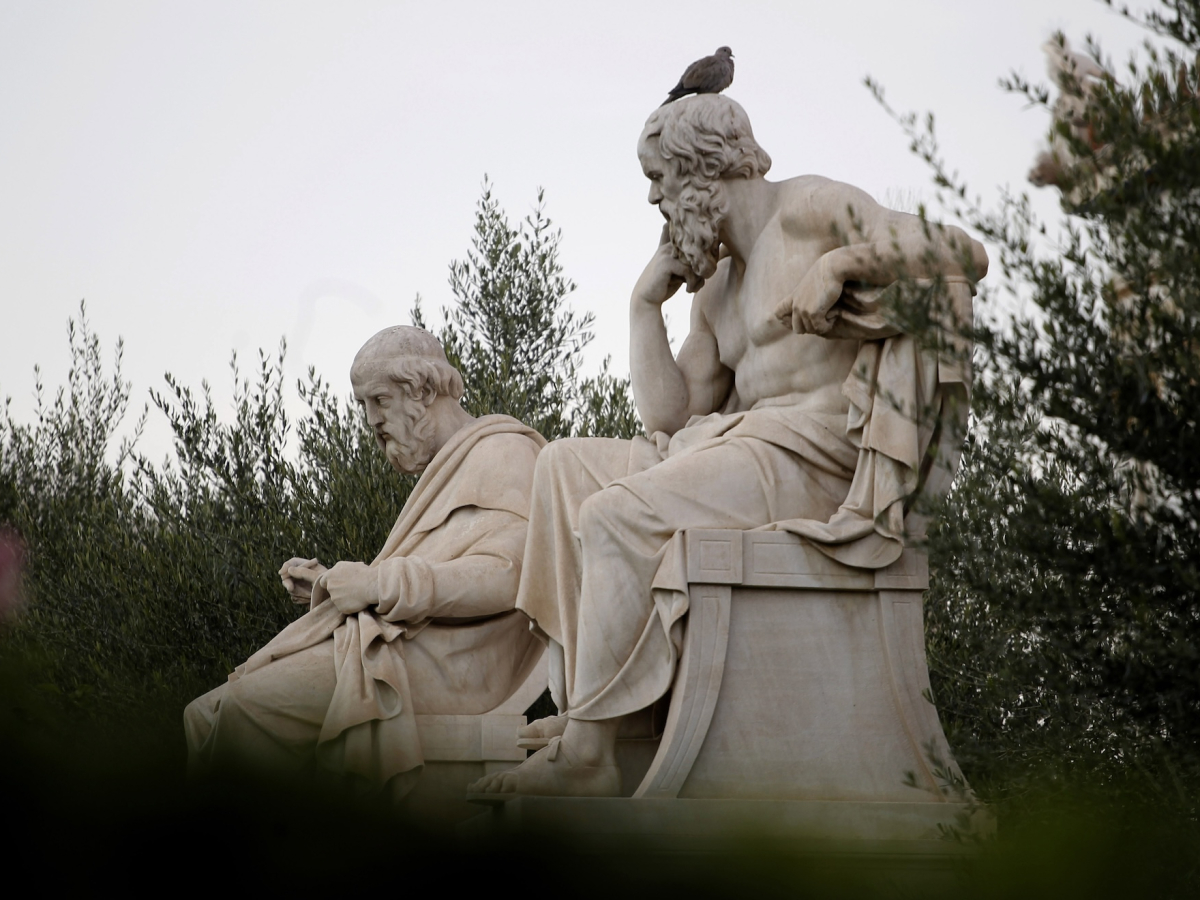
Socrates, philosopher: "An unexamined life is not worth living"
The Socratic method can help us foster critical thinking, especially in the face of the lack of purpose in today's education, through Socrates' reflection on the search for truth.
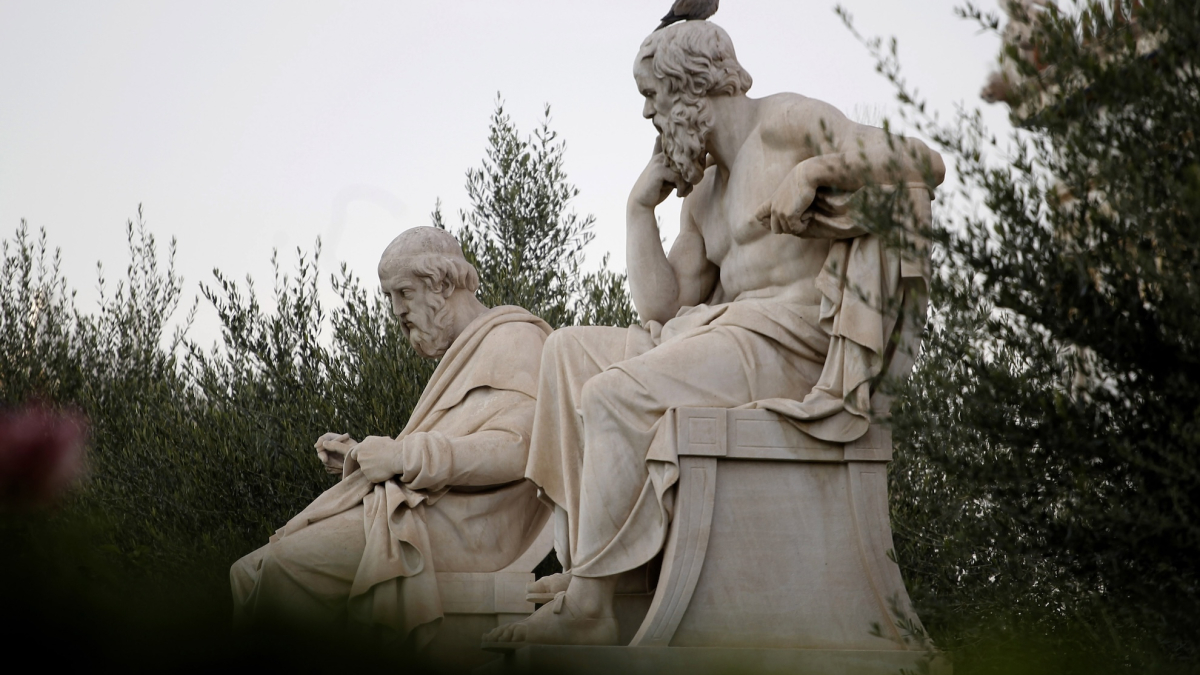
The anguish of feeling that our life lacks direction is an everyday human challenge . In the constant pursuit of happiness, we frequently face frustration and loneliness, leaving our essence in an existential void. The profound reflection proposed by Socrates, in pointing out that the unexamined life loses its value, resonates within us as we try to escape the fear of making mistakes or falling out of tune in our perception of our interpersonal bonds.
This fear of mediocrity can deprive us of the ability to enjoy the present . By confronting these concerns with the Socratic method, we find ourselves faced with an invitation to question our own choices and values, in an effort to find an authentic meaning to our existence and foster a life that is truly worth living.
To understand the difficulties in learning and the deep understanding of concepts , the thought of Socrates offers a particularly interesting perspective. His reflection on the Socratic Method suggests that it is a method of inquiry that uses questions to foster critical thinking and analysis , which can help address current educational challenges and promote a more proactive approach in the pursuit of knowledge and understanding.
An unexamined life is not worth living
The search for self-knowledge and ethics in Socrates' philosophy
Socrates (c. 470 BC - 399 BC) is one of the most influential philosophers in the history of Western thought. Born in Athens, he is considered the father of ethical and political philosophy . Throughout his life, Socrates devoted himself to examining the beliefs and values of the society around him, guiding his interlocutors toward self-knowledge and critical reflection. Although he left no written works, his thought has come down to us through the dialogues of his disciple Plato, who documented his teachings. Socrates' death sentence for "corrupting the youth" and challenging the cultural norms of his time underscores his role as a provocative and courageous thinker.
Socrates' thought centers on the importance of self-knowledge and virtue as pillars of the ethical life. His Socratic method, a teaching technique based on questions, encourages reflection and critical analysis . Socrates believed that ignorance is the root of many injustices and that acting wrongly stems from a lack of knowledge. In this sense, his philosophy is related to the ideas of Plato and Aristotle, who also addressed virtue and ethics in their works, although from different perspectives. Socrates influenced the development of ethical and political thought, leaving a legacy that extends to the present day and remains fundamental in debates about knowledge, morality, and education.