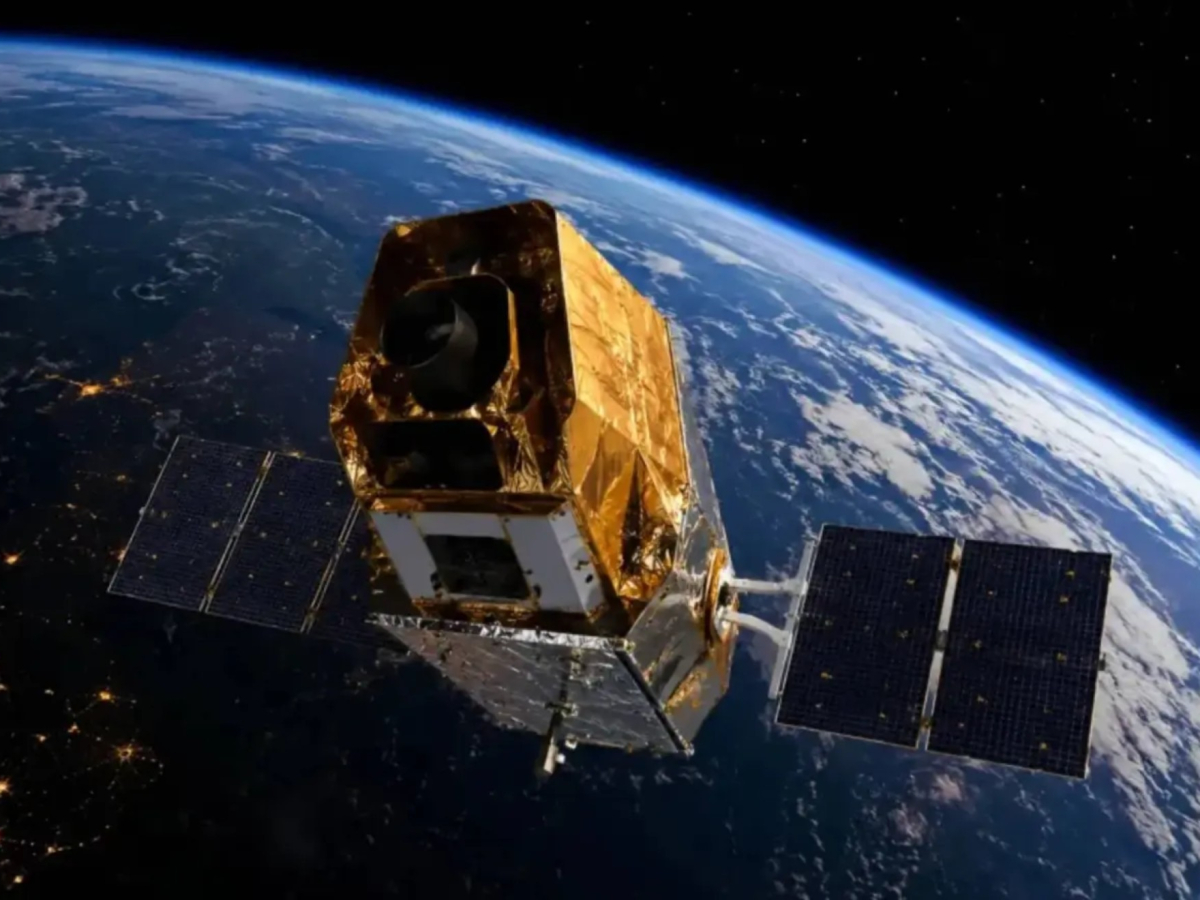
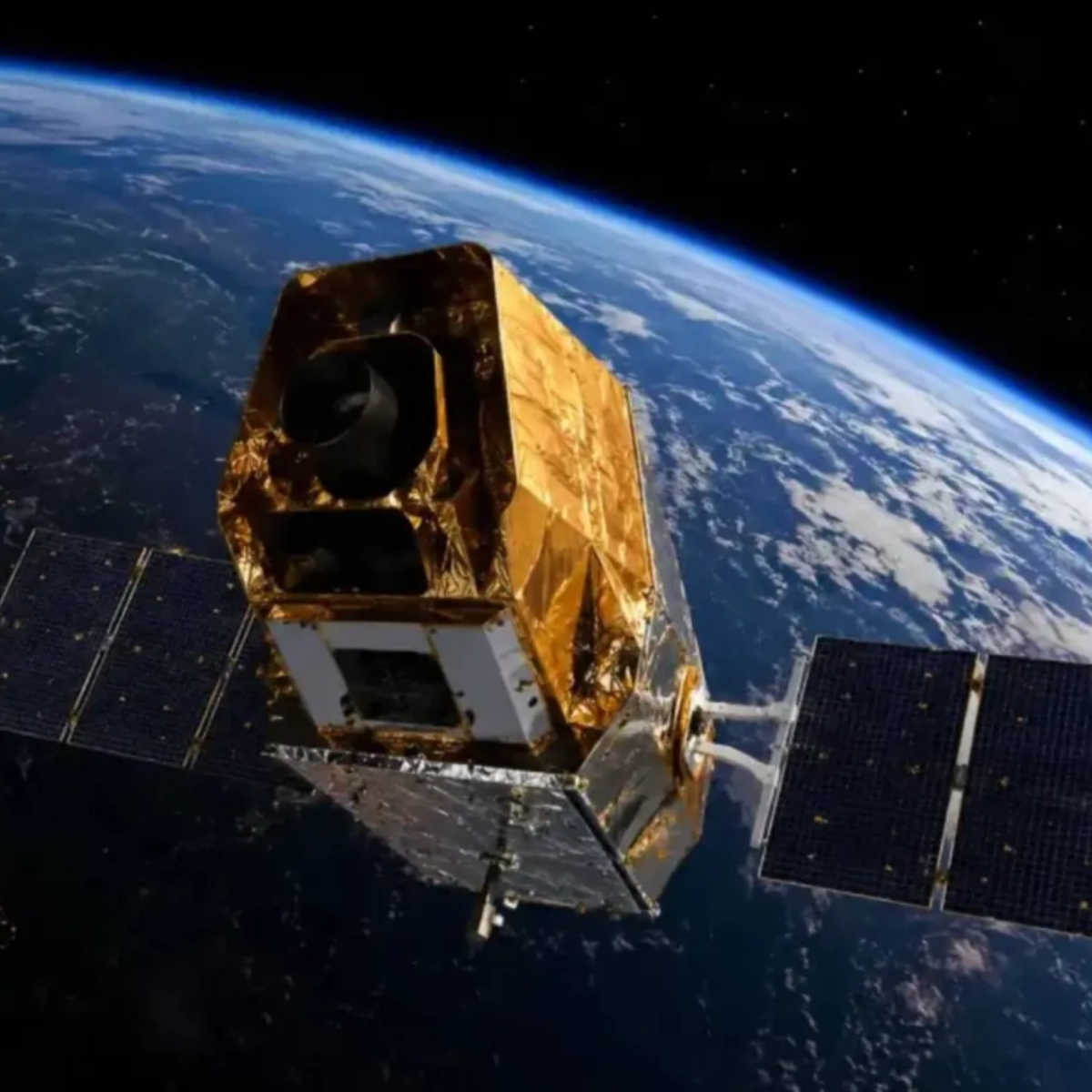
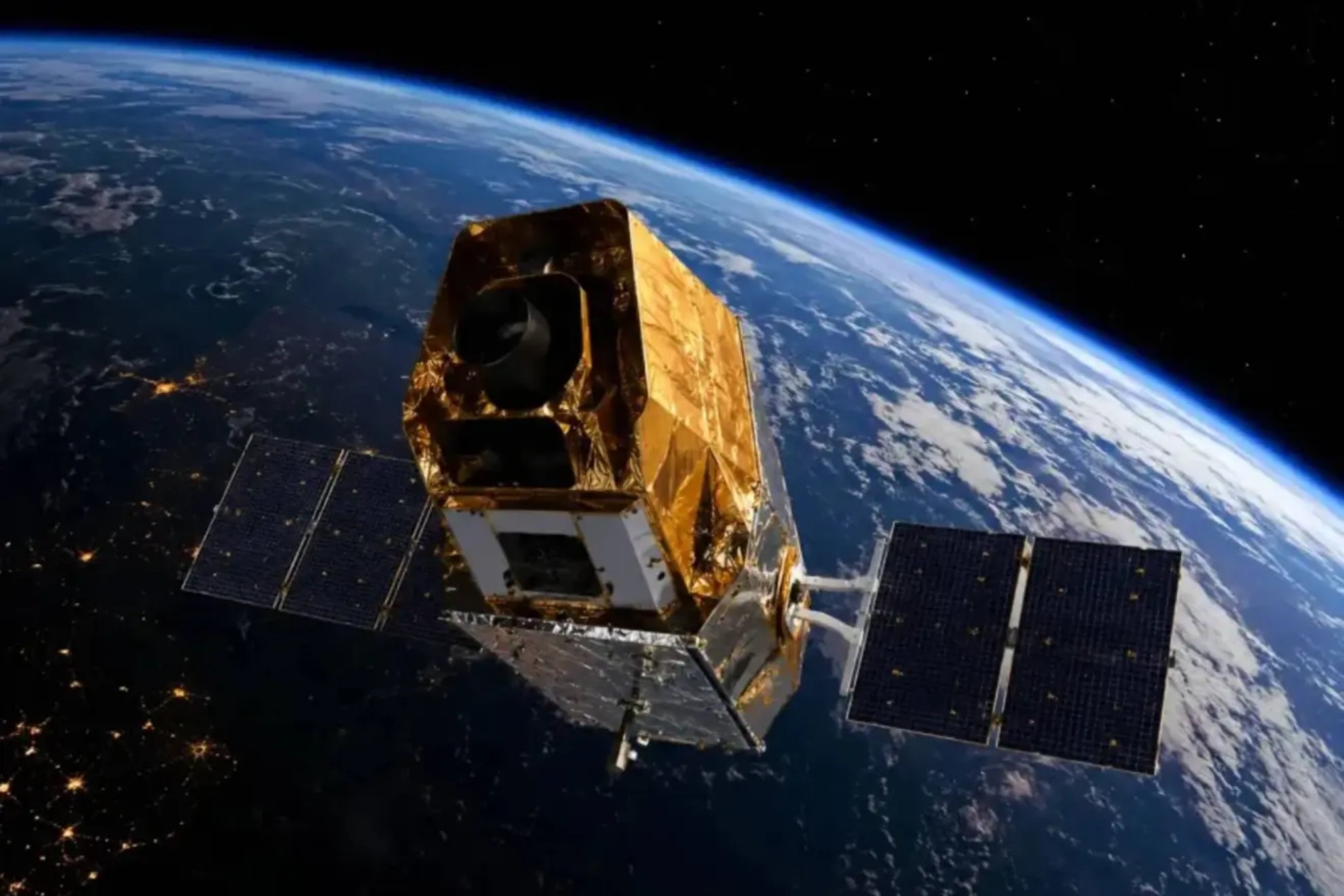
A NASA telescope falls to Earth: it was launched in 2004 and studied the most powerful explosions in the universe
In August, an attempt to extend its useful life had failed
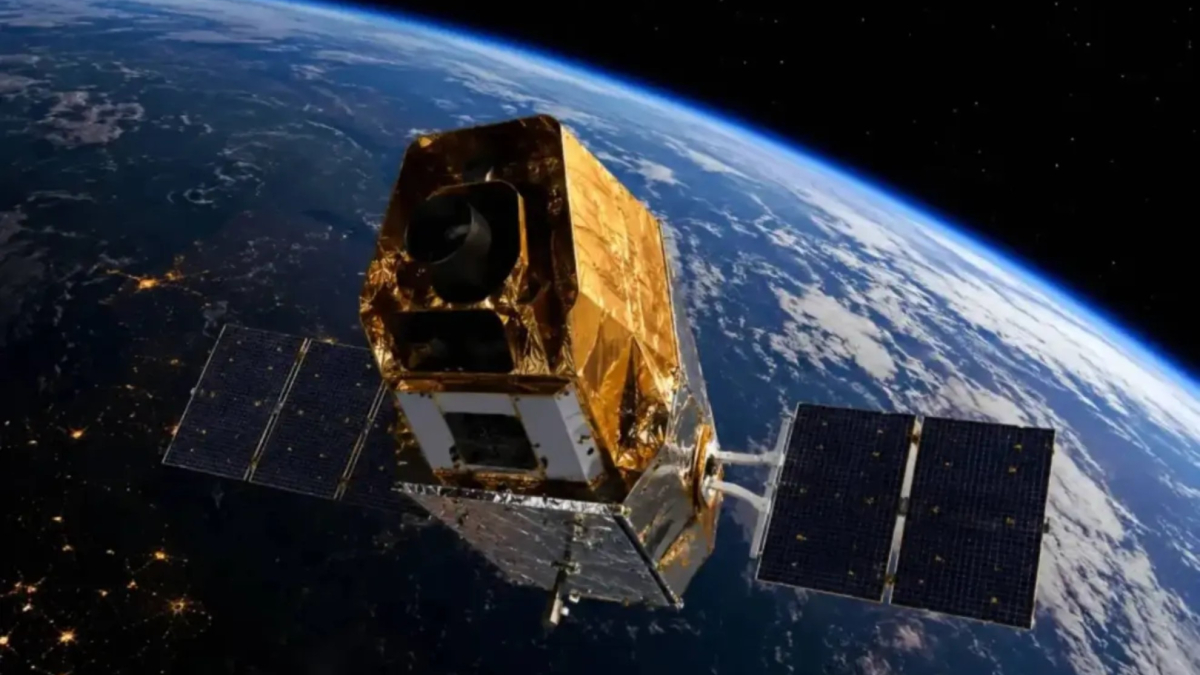
After more than 20 years, a NASA telescope has fallen to Earth , as confirmed by the United States Space Force. Its function had been to detect and study gamma-ray bursts , considered the most powerful in the universe. As initially expected, most of the craft disintegrated upon entering our planet's atmosphere.
The statement released explains that it was the Swift telescope, weighing nearly 1,500 kilograms , and that it was moving in an orbit below 375 kilometers. The experts' question regarding the device was what was going to happen to the rest of it, specifically where it was going to impact. For that, the moment of reentry was crucial.
Finally, the remains have fallen over northern Sumatra island after 22 years of collecting data and after managing to survive far beyond its expected lifespan and after sending data from more than 2,000 explosions .
A complex operation could not divert the telescope in August
To extend its operating time, last August NASA set in motion a risky plan: it launched a motorized robot whose aim was to move the device away from Earth. However, this maneuver failed and forced the agency to follow a new course and analyze its fall, which has accelerated due to a solar storm this past weekend.
The Swift telescope consisted of three instruments, the first standing out for its ability to orient itself, turn and move within a few seconds, and point at the explosion with high precision. Its work has served the study of many astronomers, who have tasked Swift with a large number of observations over the last 22 years that it has been active.