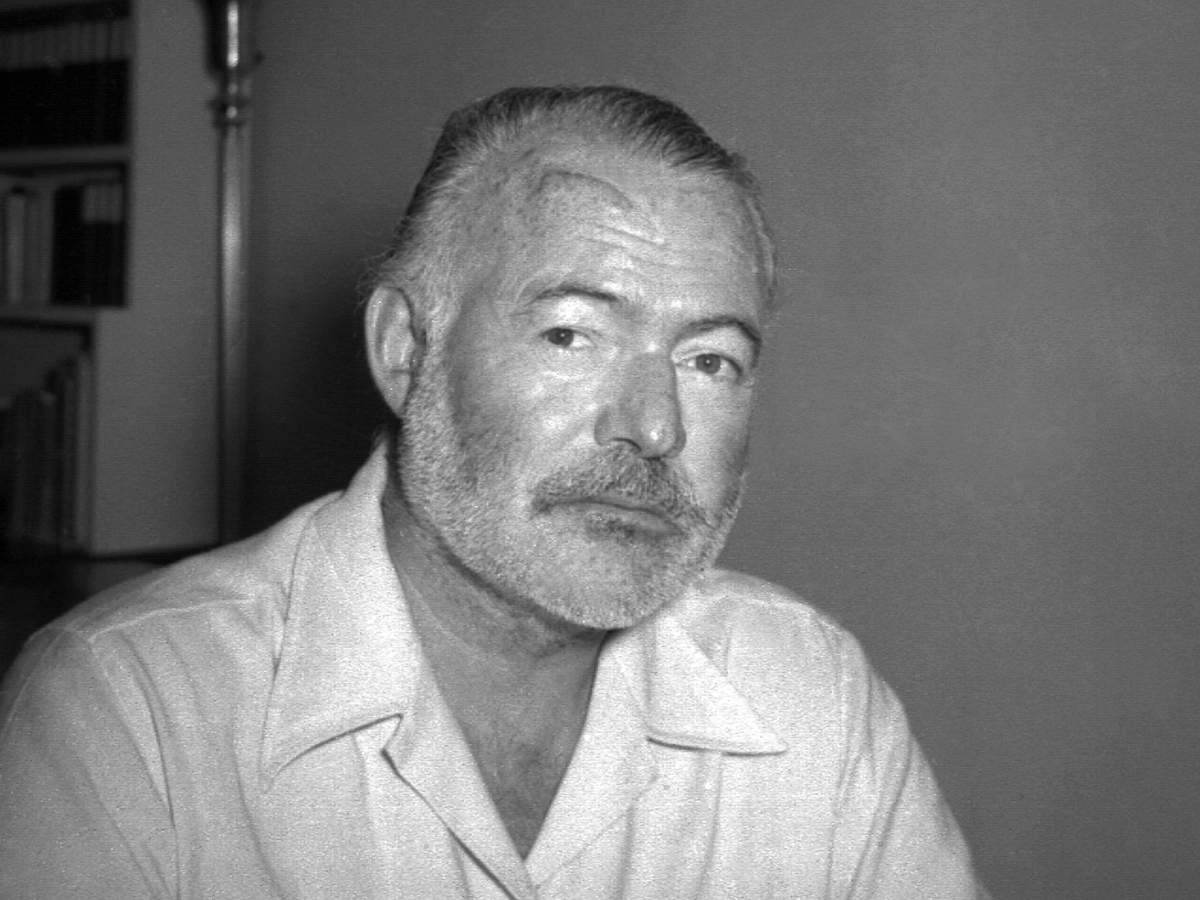
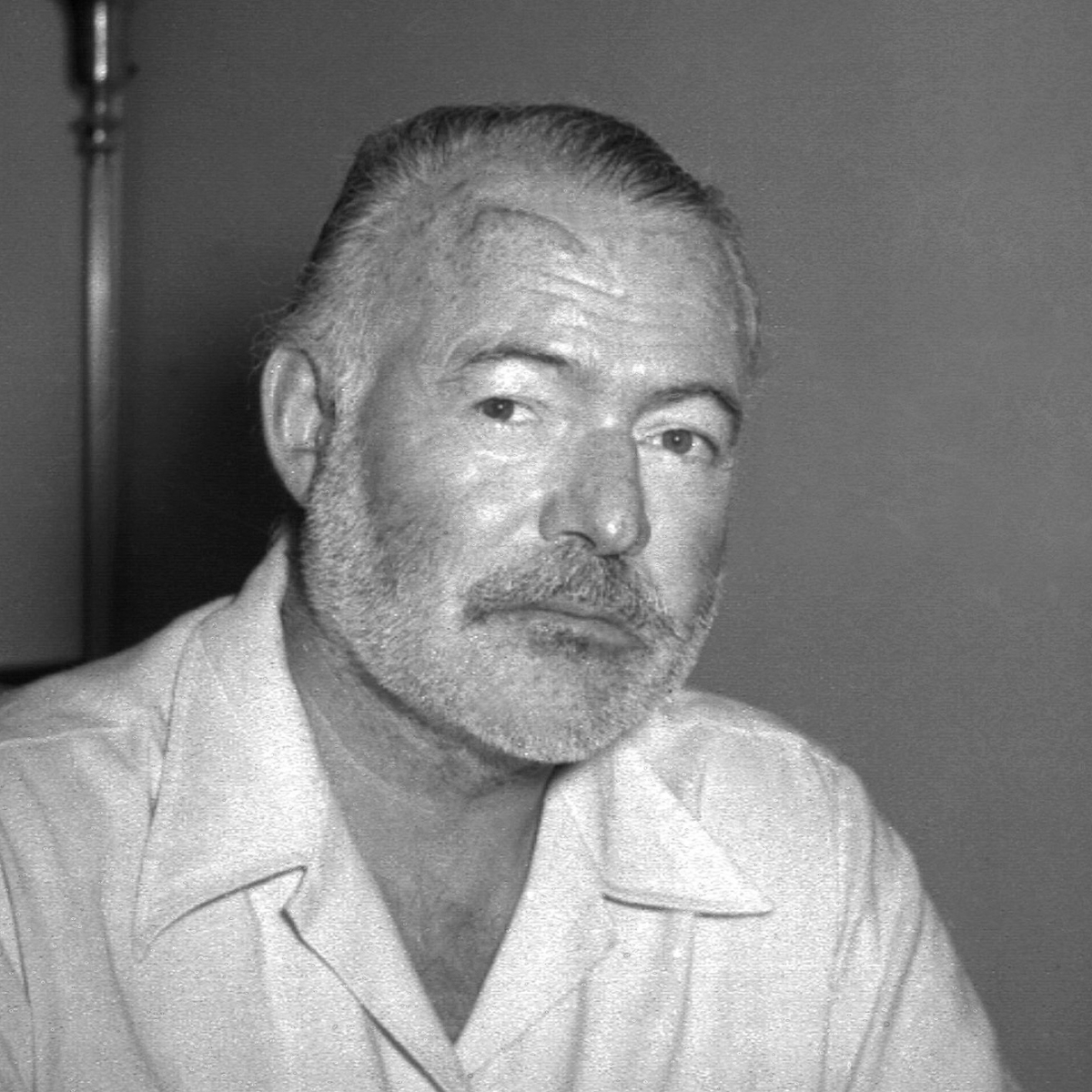
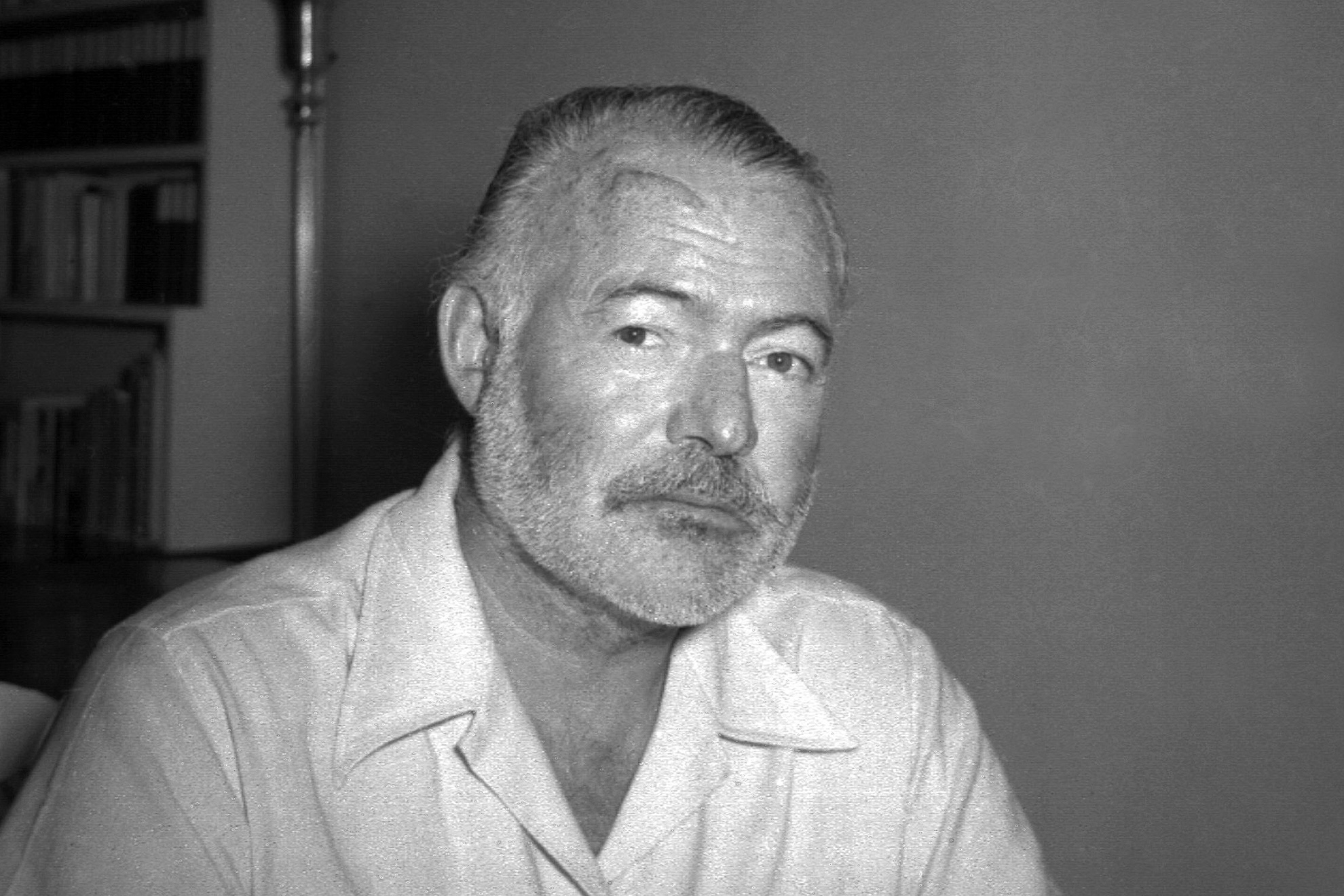
Ernest Hemingway, American short story writer: "The world is worth fighting for, though leaving it brings sorrow... Dying is simple, but survivors suffer immensely"
The celebrated author explored the contradictions of human existence in his writing, reflecting on the beauty of life, the inevitability of death and the lasting pain experienced by those left behind
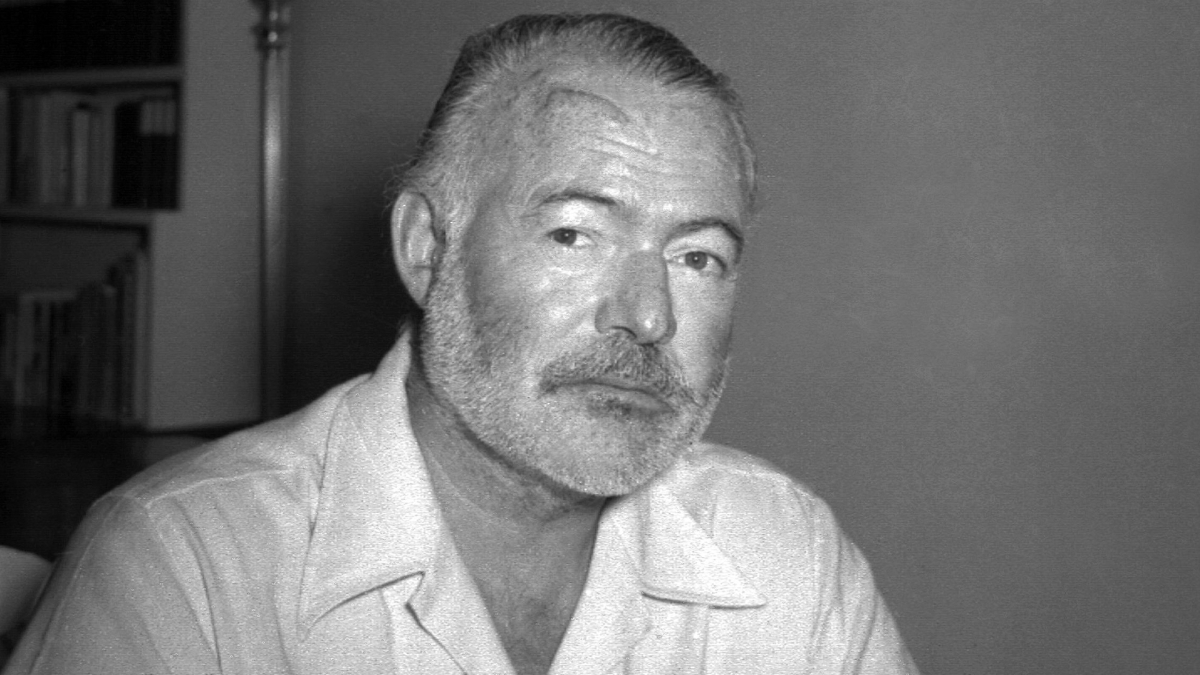
E rnest Hemingway remains one of the most influential American writers of the 20th century, remembered for his distinctive prose, powerful short stories and novels that examined courage, love, conflict and loss.
Among the quotations associated with his work is a reflection on the value of life and the difficulty of accepting its end.
The words capture a central tension in Hemingway's writing: even in a world marked by violence and suffering, there are reasons to appreciate existence and resist giving up on it.
The original passage appears in his 1940 novel For Whom the Bell Tolls, although the version frequently shared online is often shortened.
The complete quotation reads: "If we win here we will win everywhere. The world is a fine place and worth the fighting for and I hate very much to leave it."
It is spoken by Robert Jordan , an American volunteer fighting alongside Republican forces during the Spanish Civil War.
The character's experiences place him in a situation where personal sacrifice, loyalty and the possibility of death become increasingly difficult to separate.
The novel follows Jordan as he joins a group of guerrilla fighters and receives a mission to destroy a bridge ahead of a military offensive.
As the operation approaches, he develops relationships with the people around him, particularly Maria, while confronting the consequences of the conflict.
Hemingway's words are powerful because they do not present life as perfect. Instead, they recognise that the world can be cruel while still containing things worth protecting. The character's reluctance to leave it gives the passage its emotional weight.
The quotation also reflects the author's ability to communicate complicated feelings through relatively straightforward language.
Rather than relying on elaborate philosophical explanations, Hemingway allows the character's circumstances and personal reflections to carry the meaning.
Hemingway's writing explored the relationship between life, death and loss
Death was a recurring subject throughout Hemingway's literary career. His experiences as a journalist and war correspondent, alongside his involvement in the First World War, helped shape his understanding of violence and the fragility of human life.
Born in Oak Park, Illinois, in 1899, Hemingway began his professional writing career in a newspaper office in Kansas City.
After the United States entered the First World War, he volunteered as an ambulance driver with the Italian army. He was seriously wounded in 1918 and spent considerable time recovering in hospital.
Those experiences influenced the subjects he returned to throughout his fiction. His novels frequently place ordinary people in extraordinary circumstances, forcing them to confront fear, suffering and decisions that can have irreversible consequences.
Works such as A Farewell to Arms, The Sun Also Rises and The Old Man and the Sea established his reputation as a writer capable of exploring emotional complexity through economical prose.
His interest in the human response to death is also examined in the PBS documentary project Hemingway . Scholars discussing his work explain how the presence of mortality shapes the decisions and personal codes of his characters.
That perspective helps explain why the passage from For Whom the Bell Tolls continues to resonate. It is not simply an observation about the end of life; it is also an acknowledgement of everything that makes existence meaningful.
Hemingway received the Pulitzer Prize in 1953 for The Old Man and the Sea and the Nobel Prize in Literature in 1954. The Nobel committee recognized his mastery of narrative and the influence of his writing on contemporary literature.
He died on July 2, 1961, in Ketchum, Idaho, aged 61. His death by suicide followed years of serious personal difficulties and declining health, leaving a profound impact on his family.
More than six decades later, Hemingway's writing continues to attract readers because it addresses experiences that remain universally recognisable.
His characters confront uncertainty, grief and mortality, but they also find reasons to love, persevere and defend what matters to them.
The message behind his famous passage is therefore not that life is free from suffering. It is that its beauty and significance can remain visible even when the world offers painful reasons to turn away.