In 1948, the United States parachuted 76 beavers into roadless valleys: within a year, they had created colonies, burrows, and dams
The Idaho wildlife service replaced the slow mule convoys with wooden boxes
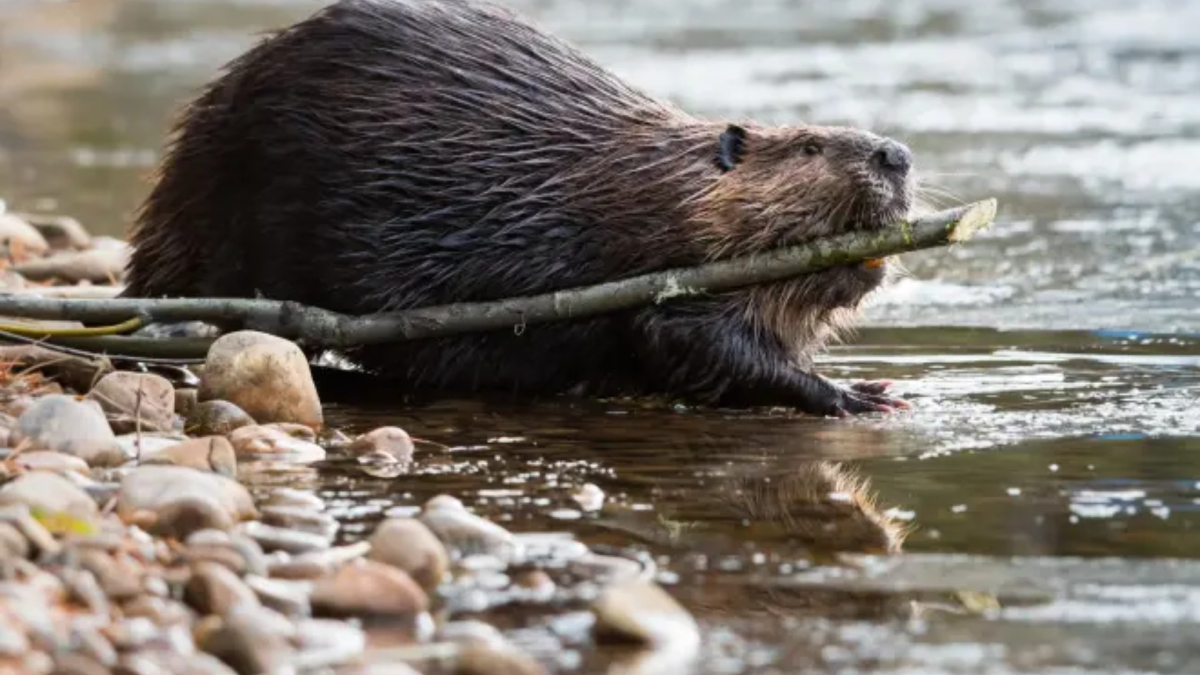
Idaho's wildlife service solved a coexistence problem with beavers in 1948 in an unusual way: by dropping them from an airplane. Elmo W. Heter , an employee of the agency, described the operation in April 1950 in the Journal of Wildlife Management. No other U.S. game service had tried transporting live animals by air to roadless valleys until then, and checks the following year confirmed that the method worked.
A box that opened by itself
The first obstacle was the container. The initial boxes had woven wicker ends, which rodents sometimes gnawed through too early. They opted for two half wooden boxes joined together like a suitcase , 76 centimeters long, with strips of truck tire inner tubes acting as springs.
Each box carried two beavers , which halved the number of parachutes needed: 7.3-meter rayon models from military surplus. A biplane Travelair carried eight boxes and dropped them between 150 and 245 meters above the meadows.
Before that, an old male nicknamed Geronimo was dropped over the airfield again and again . He later traveled on the first flight along with three young females.
In the fall of 1948, 76 beavers were flown and only one died: a tie that was too light gave way, the animal climbed onto the roof of its crate and jumped or fell from 23 meters.
The alternative was mule convoys that took several days, in which the beavers suffered from the heat, the older ones became aggressive, and the horses grew restless. Air transport was cheaper: two dollars for two crates, 16 for two parachutes, and 12 for flight hours, a bill that was cut in half thanks to the recovered parachutes.
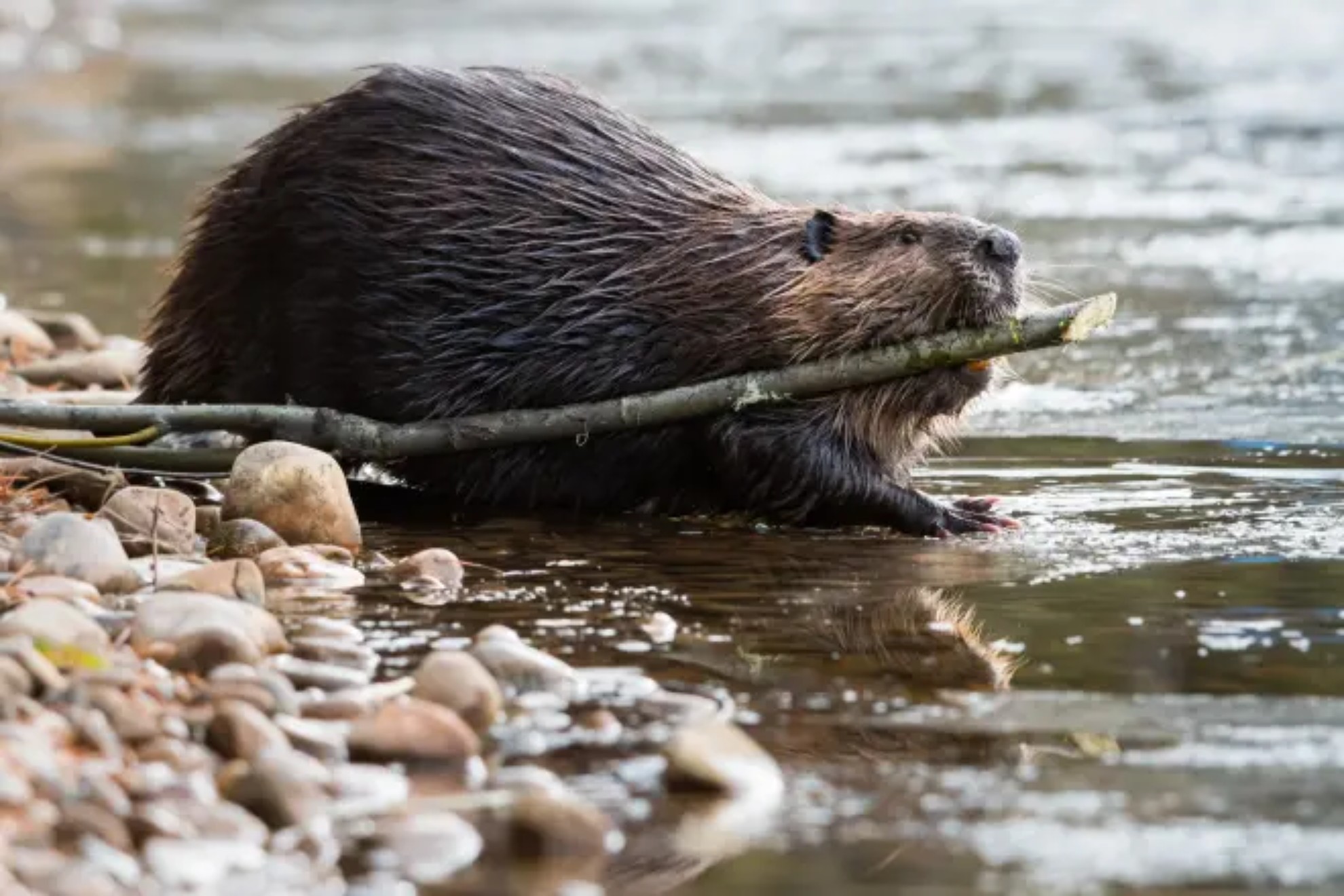
By late 1949, the teams returned to the release areas . The beavers had built dams, constructed lodges and stored branches for the winter. Their colonies were thriving in meadows that, even today, are still unreachable by road.