What happens if a President loses the Midterm Election? Every possible consequence of a Democrats win
Voters head to the polls on Tuesday, November 3 and the ramifications could determine the course of the United States government
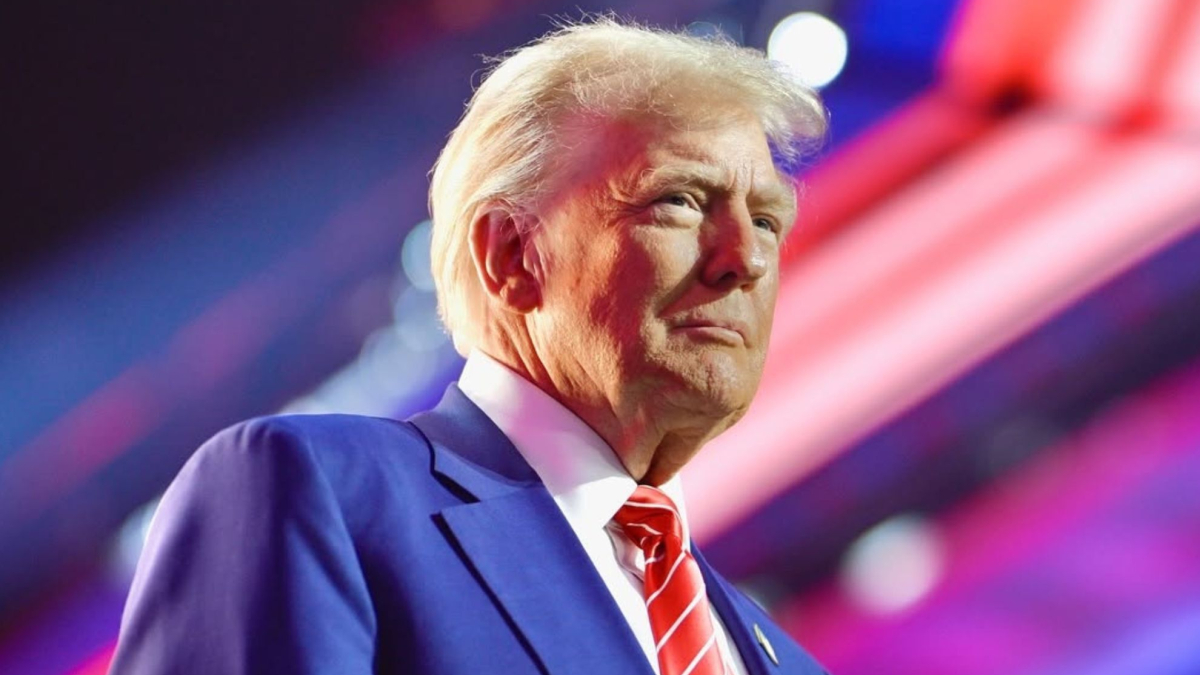
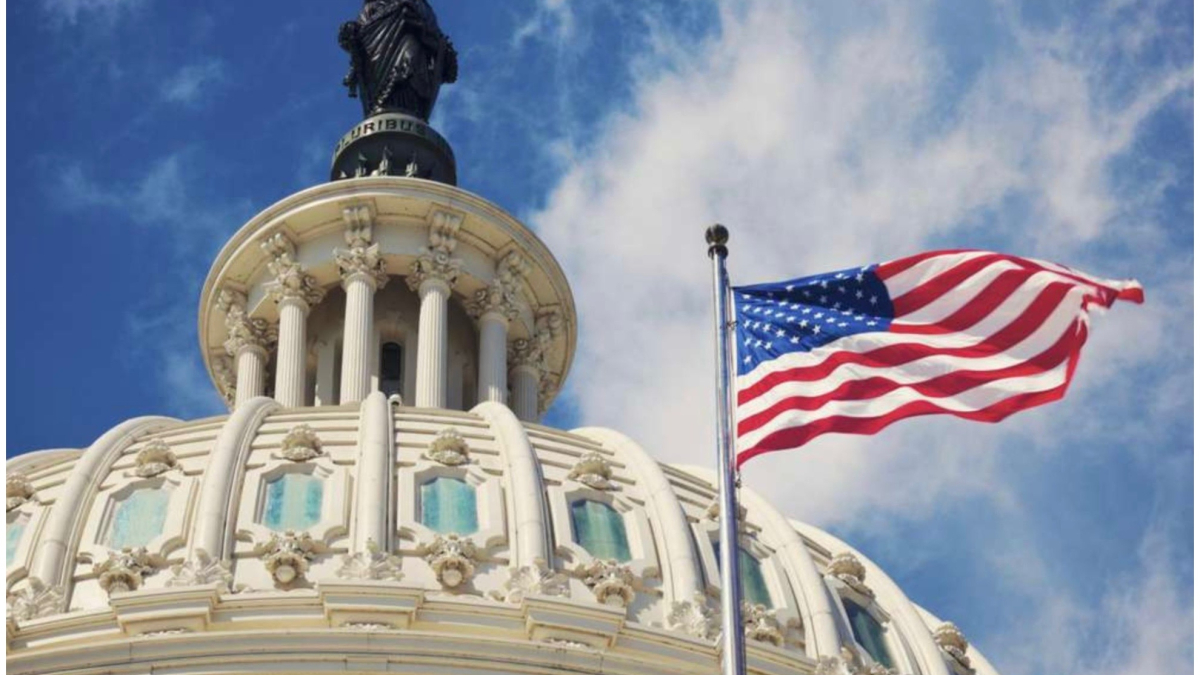
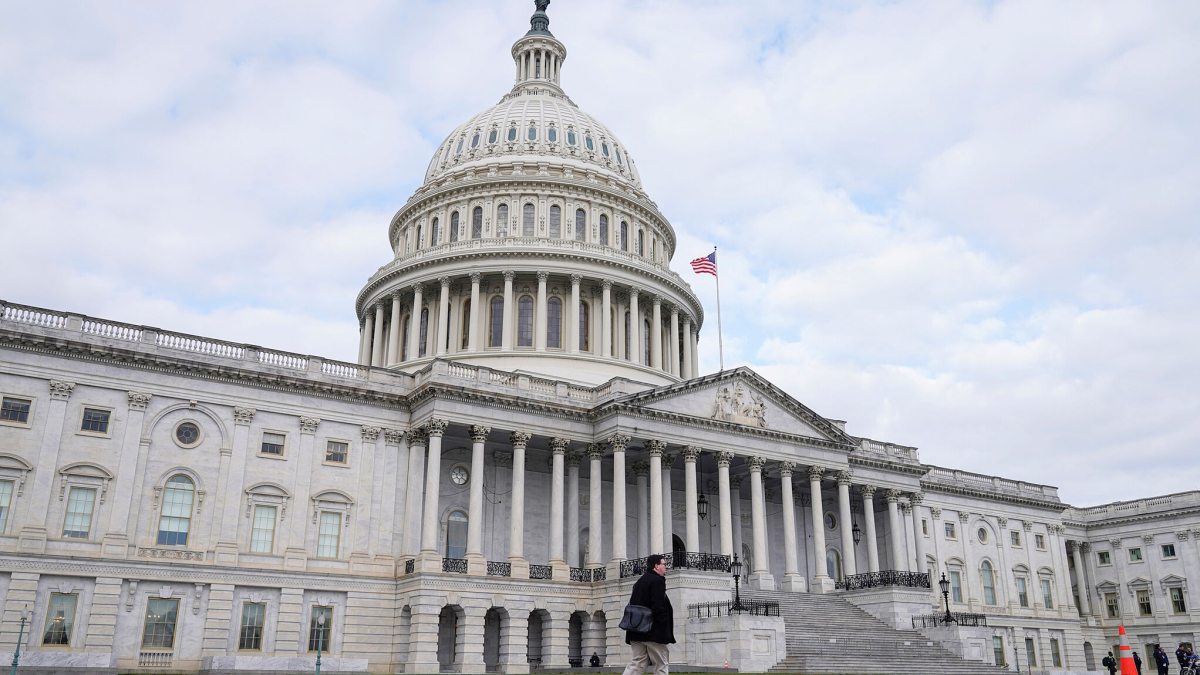
ADemocrat victory in the 2026 Midterm Elections would not remove Donald Trump from the presidency, but it could substantially change the political balance in Washington as control of either chamber of Congress would give Democrats new powers to investigate his administration. Americans vote on November 3, with all 435 House seats and 35 Senate seats contested, with Republicans currently controlling both chambers. Democrats could take the House , the Senate or both, and each outcome would impose different limits on Trump 's agenda.
The Democrats would be capable of challenging the priorities of the Trump Administration and obstructing parts of his legislative agenda, but the consequences would ultimately depend heavily on the success of the Democrats . A divided Congress would create different constraints from a Democratic takeover of both chambers, while presidential veto powers and existing constitutional rules would remain in place. Control of Congress would determine how easily he can pass laws, approve spending and secure appointments as midterms determine which party controls each chamber for the next two years. If Democrats win either, Trump would face a Congress less willing to approve his proposals, while committee leadership and oversight powers would shift away from Republicans .
What could happen if Democrats take control of Congress?
A Democratic House could investigate administration decisions, federal spending and possible conflicts of interest as committees could hold hearings, demand records and issue subpoenas, examining whether presidential power benefited Trump , his allies or donors. Potential inquiries could include corporate donors, alleged pay-to-play arrangements and foreign sovereign wealth investments in Trump -linked businesses, and these are possible subjects for scrutiny, not proof of wrongdoing; officials could challenge congressional demands. Democrats could pursue impeachment, too as the House can approve articles by a simple majority, but impeachment does not remove a President - only a conviction at a Senate trial, which requires a two-thirds vote, makes removal a separate and much higher hurdle. Even without removal, hearings and investigations could dominate Washington , expose internal communications and consume administration time whilst a further impeachment vote could deepen political divisions and shape debate ahead of the 2028 Presidential Election .
Could Trump refuse to accept the results of the midterm elections?
Winning the Senate would give Democrats control of its committees and power to block or delay Trump 's cabinet, agency and judicial nominees and that could extend to a Supreme Court vacancy if one arose before his term ends. If Democrats win only the House then Senate Republicans could block most Democratic bills whilst control of both chambers would let Democrats pass proposals on healthcare, abortion rights, tariffs and living costs. Trump could veto legislation he opposes and still has executive orders in his pocket but overriding a veto requires two-thirds support in both chambers, while most Senate bills need 60 votes to overcome a filibuster. Even unified Democratic control would leave major legislative changes difficult without bipartisan support as budget and debt-ceiling negotiations could become flashpoints, bringing spending standoffs or shutdown threats. Trump would still retain broad authority over trade, immigration and foreign policy, and could pursue executive actions within the law as Reuters reports The White House is preparing unilateral options on tariffs, immigration, housing and spending if Democrats win. Courts could block actions exceeding presidential authority, while Congress could investigate implementation or seek to restrict funding and concerns also surround possible challenges to election results or use of the Insurrection Act . The law permits domestic troop deployments only in specified exceptional circumstances; it is not a general power to suppress opposition or control elections, and Trump has threatened to invoke the Insurrection Act “if necessary” in Democrat cities.