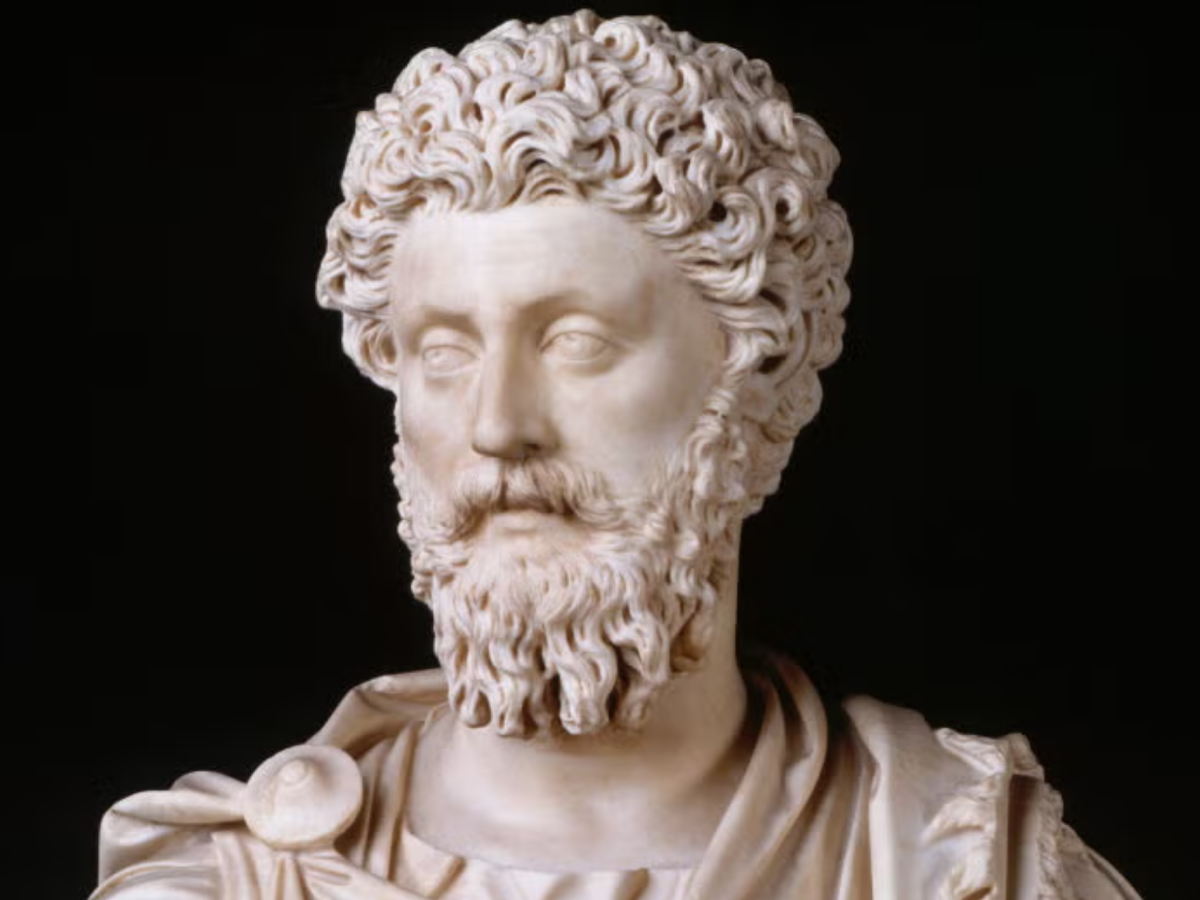
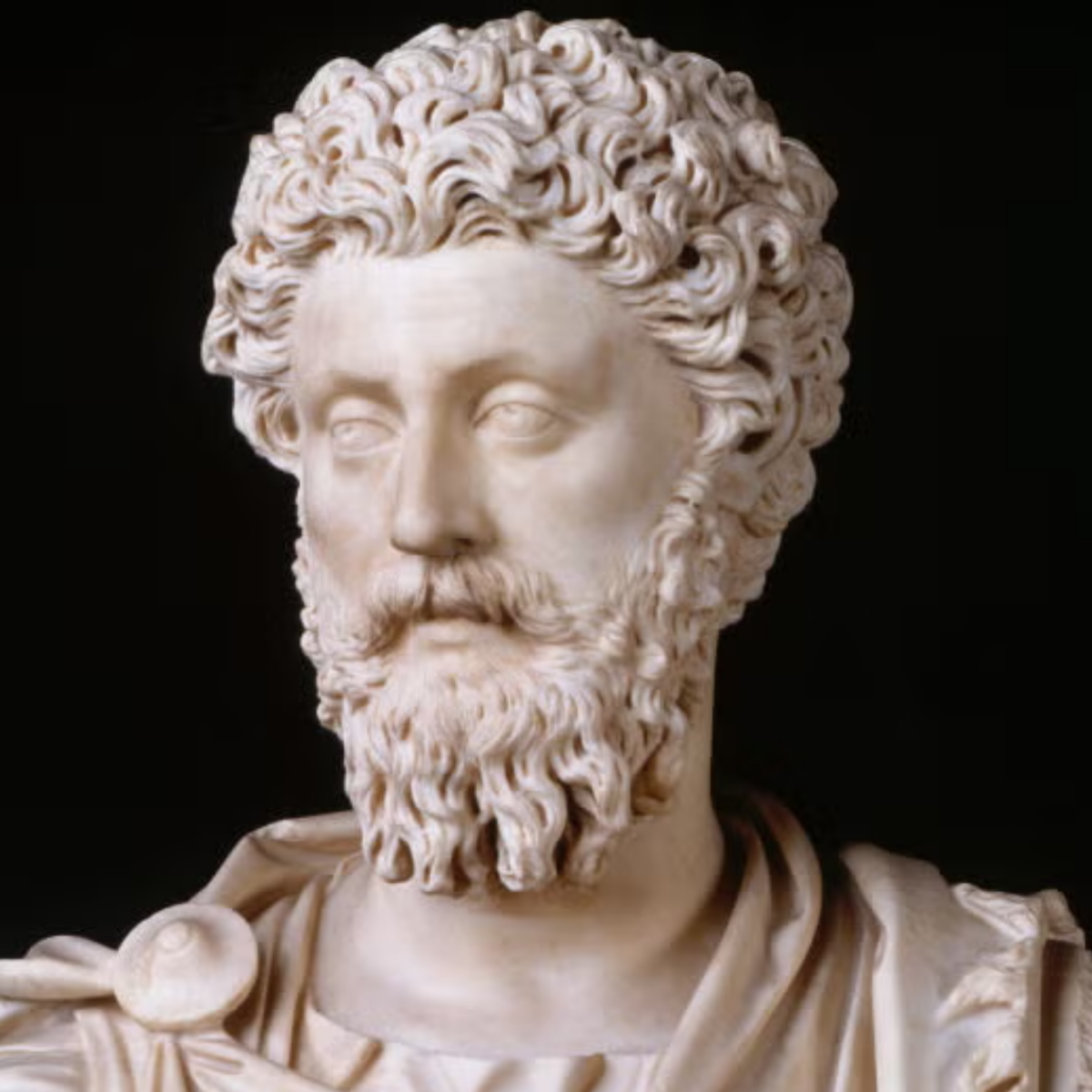
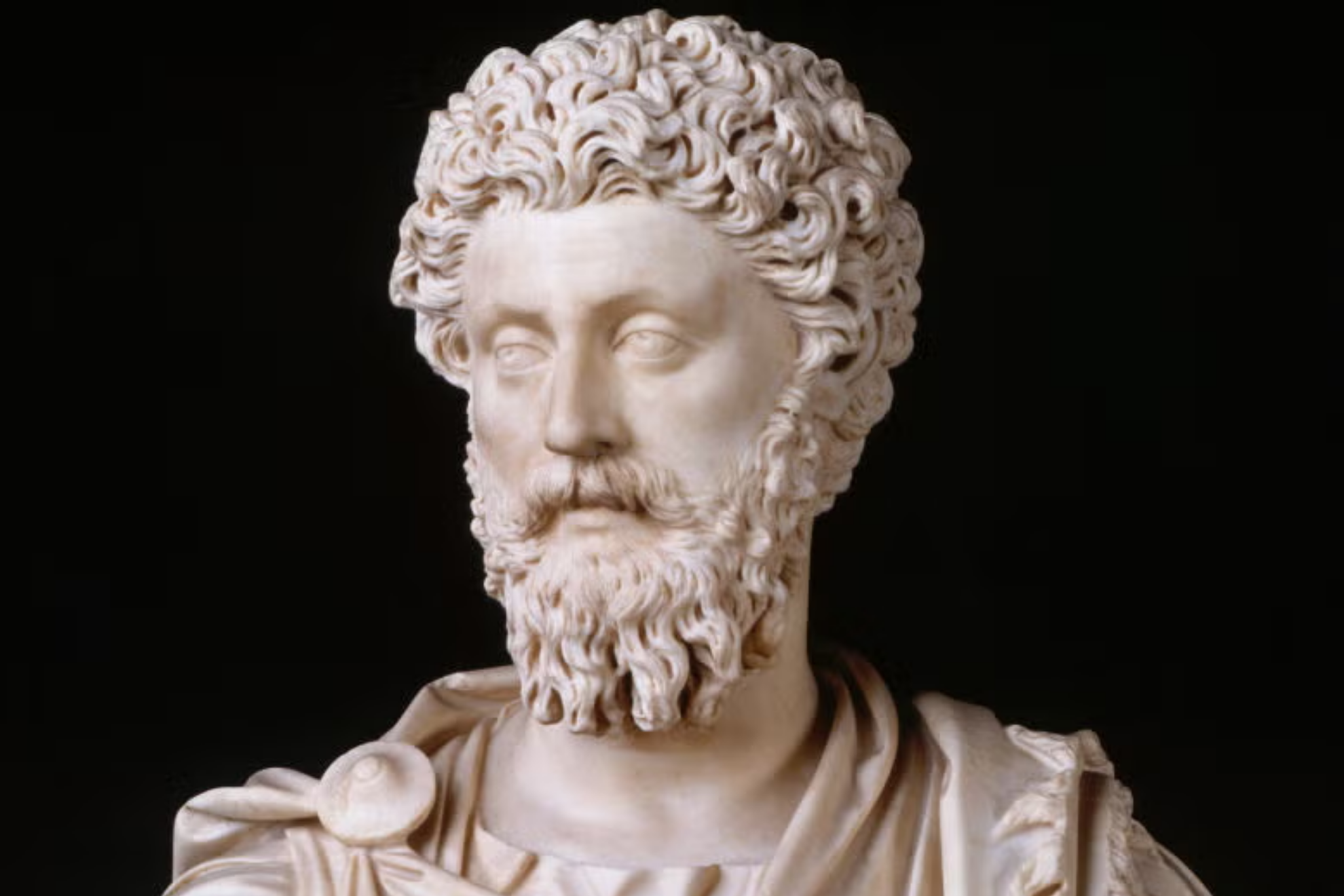
Marcus Aurelius, Roman emperor: "The happiness of your life depends upon the quality of your thoughts"
The Roman emperor and Stoic philosopher believed that the way people interpret their experiences can shape their character, decisions and sense of fulfilment
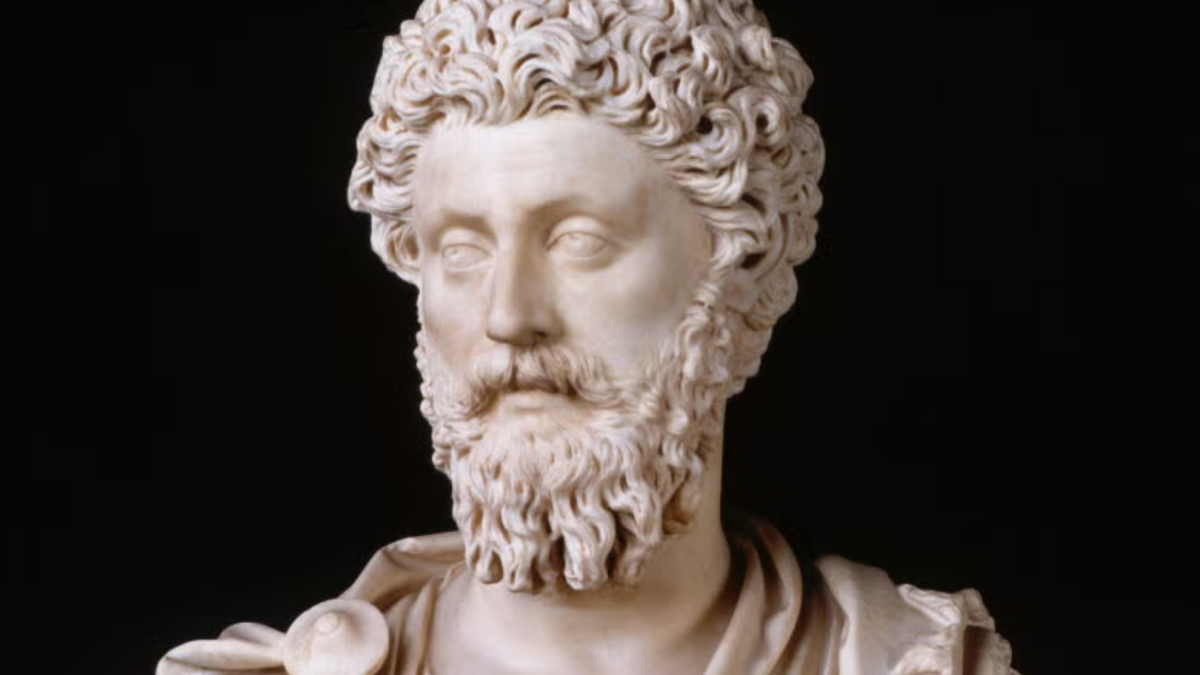
M arcus Aurelius remains one of history's most recognisable philosophical figures, remembered not only for ruling the Roman Empire but also for his reflections on self-discipline, resilience and the human mind.
Among the sayings widely attributed to him is: "The happiness of your life depends upon the quality of your thoughts".
The message offers a simple but powerful idea: although people cannot always choose the circumstances they encounter, they can work on how they respond to them.
Rather than allowing frustration, fear or resentment to dictate their actions, individuals can examine their assumptions and make more considered decisions.
The quote appears across modern collections of inspirational sayings, including BrainyQuote and Goodreads, where it is associated with the Roman emperor.
Its popularity reflects the continuing appeal of Stoicism, an ancient philosophical tradition that encourages people to distinguish between what they can control and what lies beyond their influence.
However, there is an important detail behind the familiar wording. The sentiment resembles ideas found in Aurelius ' Meditations, but the sentence as commonly circulated is not a straightforward quotation from the original Greek text.
Research into its history traces this English formulation to Jeremy Collier's 1701 translation, which rendered the passage freely rather than translating it closely. The distinction matters when considering the quote's origins, even though its central message is consistent with themes in Aurelius' philosophy.
How Marcus Aurelius connected thoughts with a meaningful life
Born in 121 AD, Marcus Aurelius became emperor in 161 and ruled until his death in 180. His reign was marked by serious challenges, including military conflicts along the Roman Empire's borders and an outbreak of plague.
Despite the demands of governing a vast empire, he developed a lasting reputation for his interest in philosophy.
His best-known work, Meditations, was written in Greek and is generally understood as a collection of private reflections rather than a book originally intended for publication. In it, Aurelius repeatedly reminded himself to act rationally, respond to difficulties with composure and avoid being ruled by anger or the desire for recognition.
The work gives readers an unusually personal glimpse into the effort required to put philosophical principles into practice.
One passage in Book Five comes particularly close to the idea expressed by the popular quote. In a widely used English translation, Aurelius writes: "Such as are thy habitual thoughts, such also will be the character of thy mind; for the soul is dyed by the thoughts."
The image of the soul being coloured by repeated thoughts suggests that a person's mental habits can gradually influence the kind of person they become.
Repeatedly dwelling on bitterness, jealousy or perceived injustice can reinforce those reactions. By contrast, practising patience, fairness and perspective can help someone respond more constructively when life becomes difficult.
This was not simply an instruction to remain cheerful. Stoicism did not require people to pretend that hardship was pleasant or that painful experiences did not matter.
Instead, it encouraged them to examine their judgments, understand what was within their power and choose actions consistent with reason and virtue.
For Aurelius , that distinction was especially relevant to leadership. An emperor could not prevent every conflict, illness or political challenge, but he could try to govern his own behaviour. His private writings repeatedly return to the importance of fairness, humility and responsibility, even when other people behave badly.
The same principle can apply to ordinary life. A setback at work, a disagreement with a friend or an unexpected disappointment may be difficult to avoid. Yet the first emotional reaction does not have to determine the response that follows.
Taking time to question an assumption or consider another perspective can create room for a more thoughtful decision.
The quote's enduring appeal lies in this practical lesson. Happiness is not necessarily the product of perfect circumstances, unlimited success or constant positive thinking. It can also be influenced by the habits through which people interpret events, manage their emotions and decide what deserves their attention.
Ultimately, the popular saying captures a central theme of Aurelius ' philosophy, even if its familiar English wording should be treated as an attributed paraphrase rather than a precise translation.
His Meditations offers a deeper exploration of the idea: a good life requires ongoing attention to one's judgments and conduct. More than 1,800 years later, that challenge remains relevant.